
There comes a moment in every World Cup when America, bless its well-hydrated heart, suddenly remembers that the rest of the planet has been emotionally unavailable for approximately four weeks.
This is the moment when “soccer” becomes football, when a 0–0 match is no longer “nothing happened” but “a psychological thriller with excellent calf work,” and when the phrase “injury time” begins to sound less like a medical emergency and more like divine punishment. Welcome, dear Americans. We have been expecting you. Please take a seat. No, not there. That is where someone’s uncle will soon be standing, yelling at the television as if the Croatian coach can hear him through the Wi-Fi.
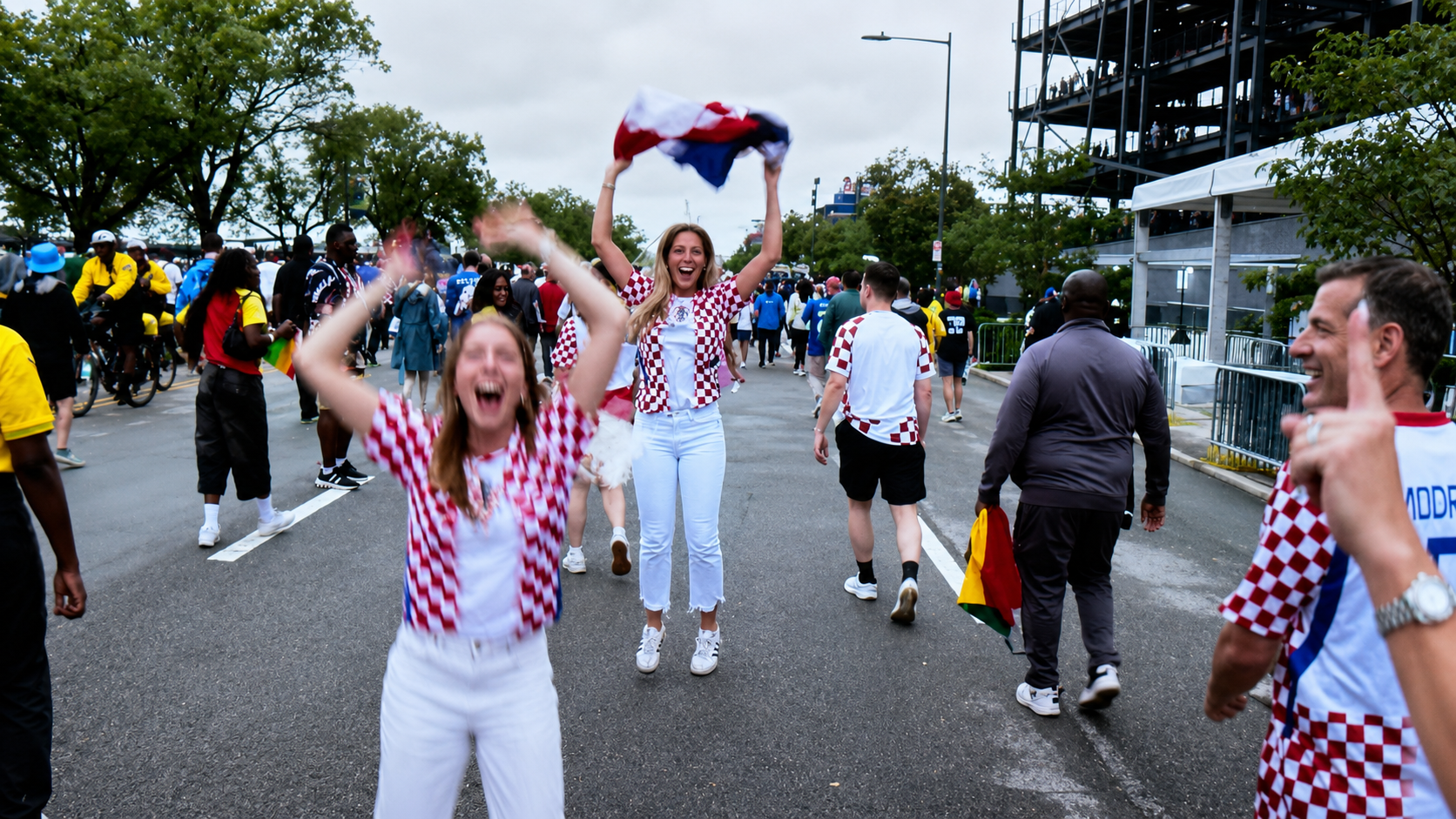
It is World Cup season — or Mundial, as people say when they want to sound like they own linen napkins and strong opinions. And in Croatia, strong opinions are not a personality trait. They are infrastructure.
This, perhaps, is why the new Croatian tourism film starring John Malkovich feels less like advertising and more like anthropology. There he is: elegant, cinematic, faintly suspicious of joy. He grumbles. He questions. He appears unimpressed by beauty that would make a normal person cancel their return flight and start researching olive grove ownership. In other words, he understands us.
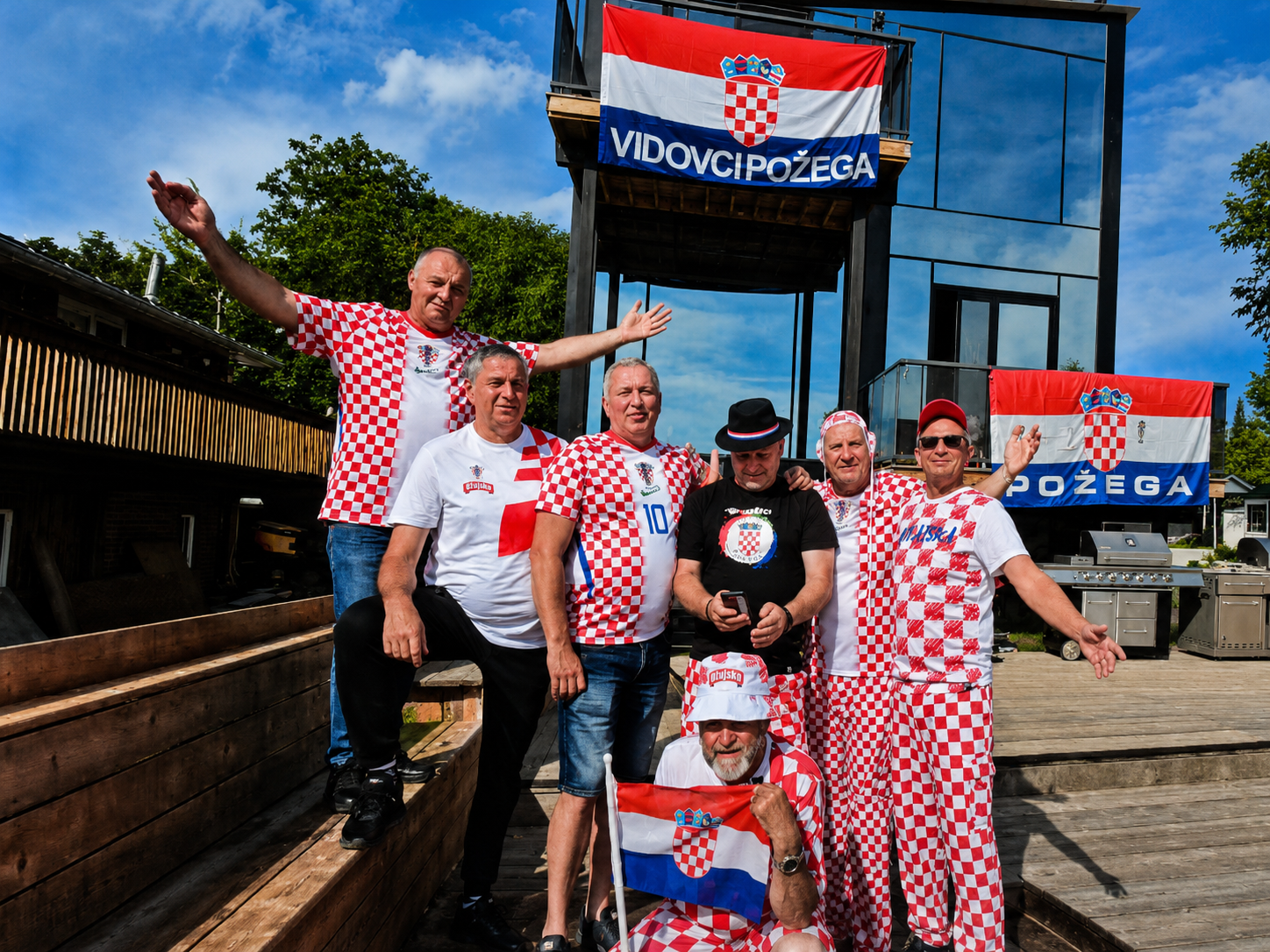
Croatians are famous for many things: the Adriatic coast, Nikola Tesla birth place, neck-tie, some impossibly good-looking athletes, islands that look airbrushed by gods with excellent taste, and the quiet national conviction that whatever is happening, it could have been organized better.
The weather? Too hot. Unless it rains, in which case civilization has failed.
The salaries? A tragedy. The pension- the HUGE tragedy.
The politicians? A genre of comedy without a punchline.
The coffee? Good, but not like it used to be.
The sea? Beautiful, of course, but did you notice there are too many boats this year?
The summer tourist season – not good.
And then there is football
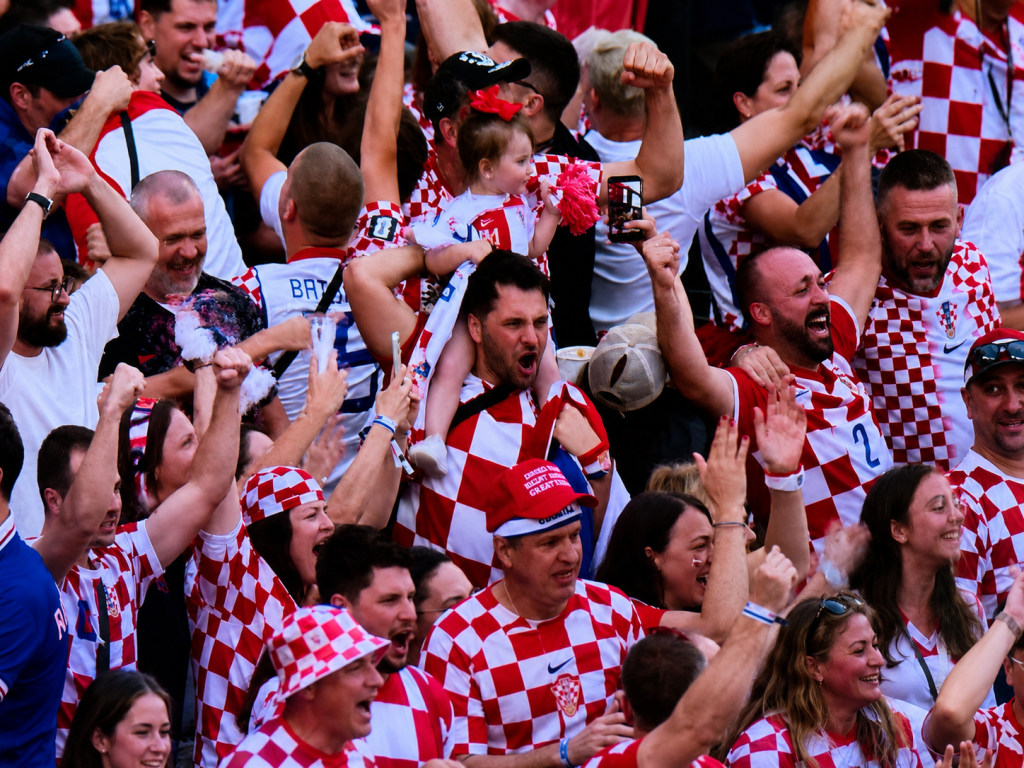
Football in Croatia is not simply watched. It is audited. Dissected. Prosecuted. Rewritten in real time by millions of self-appointed experts wearing red-and-white checks and the expression of a man who has personally been betrayed by the midfield.
The Croatian match-day living room is not a domestic space. It is a tactical command center with snacks.
Every family has one person who believes he would be an outstanding national coach. He knows exactly who should have started, who should have stayed on the bench, who is “not running enough,” who is “running too much,” and why the referee should consider a quiet career in landscape gardening. He has never played professionally, but this is irrelevant. Vision does not require credentials.
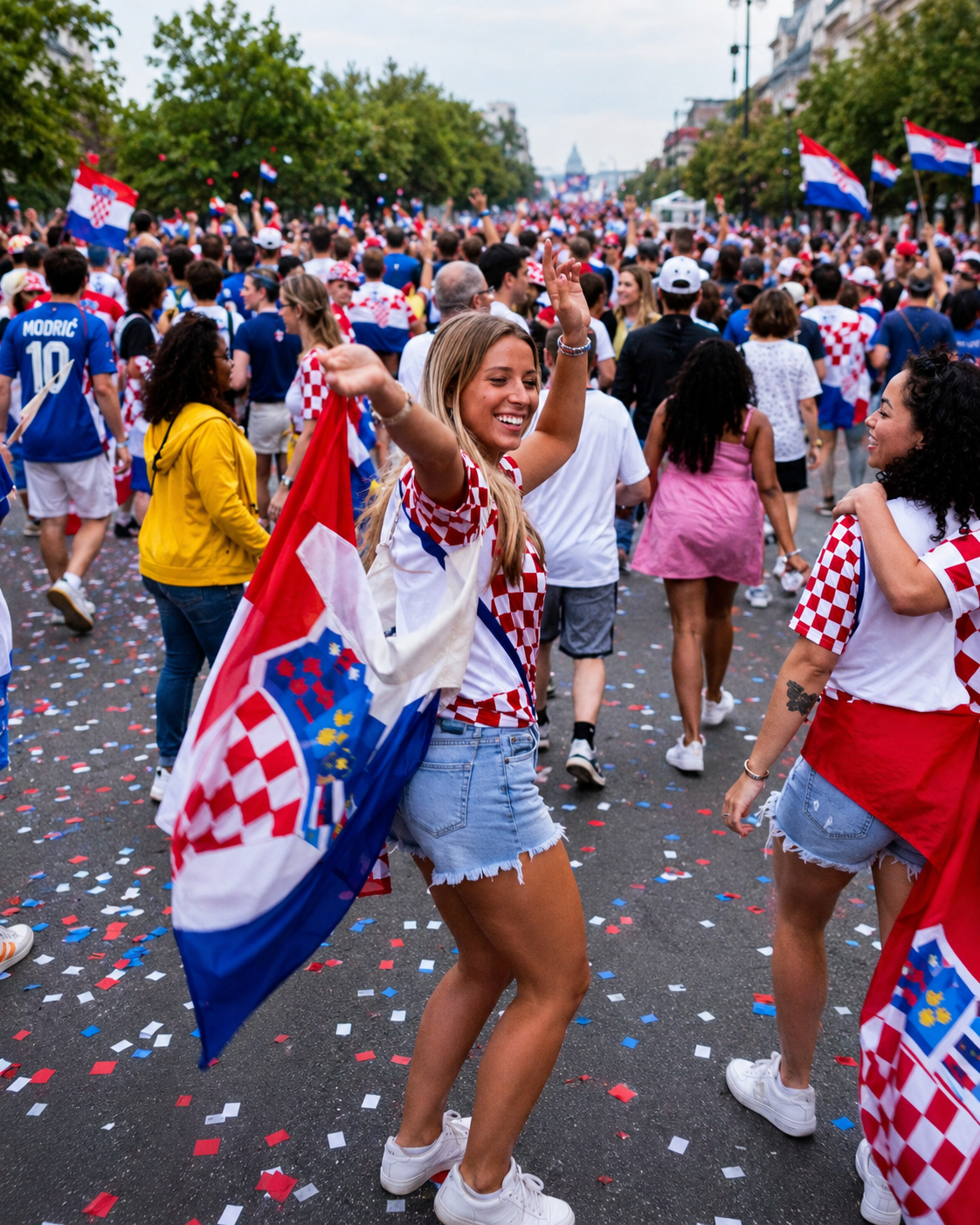
“Why is he passing there?”
“Shoot!”
“Not now!”
“Why didn’t he shoot?”
“This referee is performing a personal attack on the Croatian people.”
“I told you this would happen in the 12th minute.”
To an American visitor, this may appear intense. That is because it is intense. But it is also love — heavily seasoned, loudly expressed, and occasionally aimed at a flat-screen television with the emotional precision of opera.
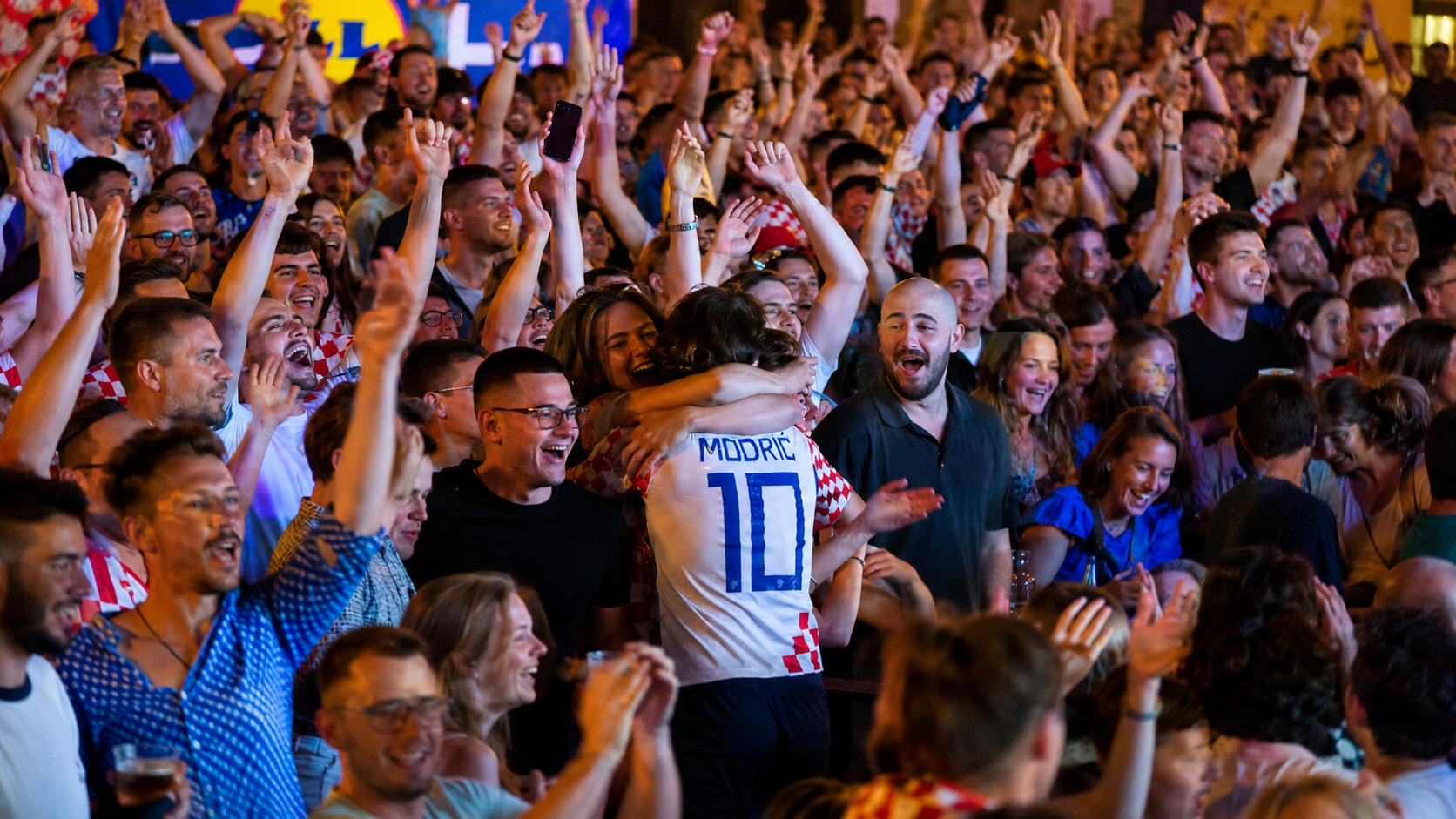
The great misunderstanding about Croatian complaining is that outsiders mistake it for negativity. It is not negativity. It is participation. We complain because we care. We critique because we are invested. We grumble because indifference would be vulgar.
A Croatian saying “This is terrible” while watching football may in fact be experiencing the finest hour of his week.
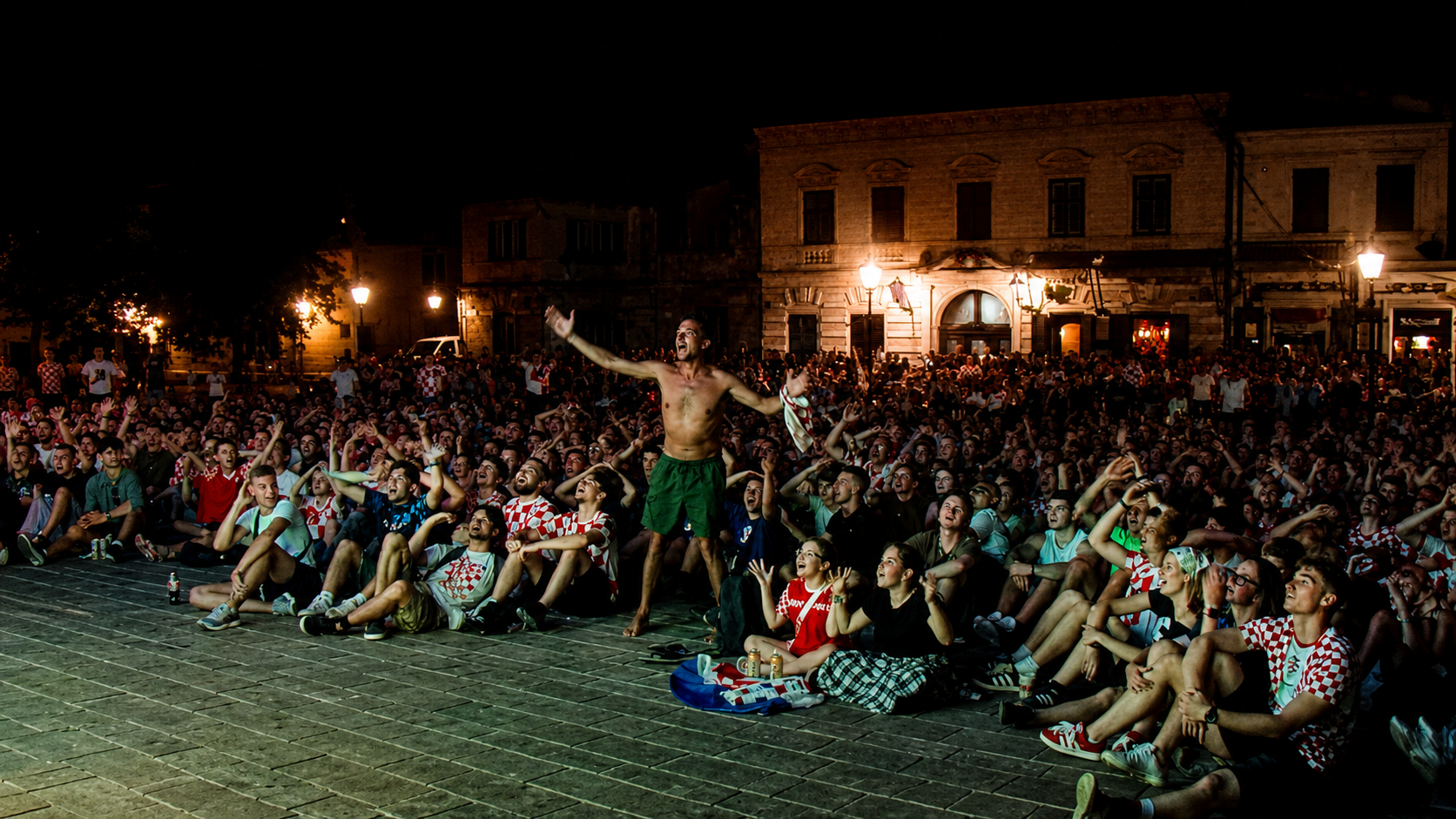
And when Croatia plays, the entire emotional register of the country changes. The nation tightens like a violin string. Cafés become chapels. Squares become theatres. Terraces become stadiums. Grandmothers who usually reserve their sternest judgment for badly made stuffed peppers suddenly develop strong views on defensive structure. Children wear the checkerboard jersey with the solemnity of hereditary nobility. Men who have not cried since 1998 begin blinking suspiciously into their beer.
Then the anthem begins
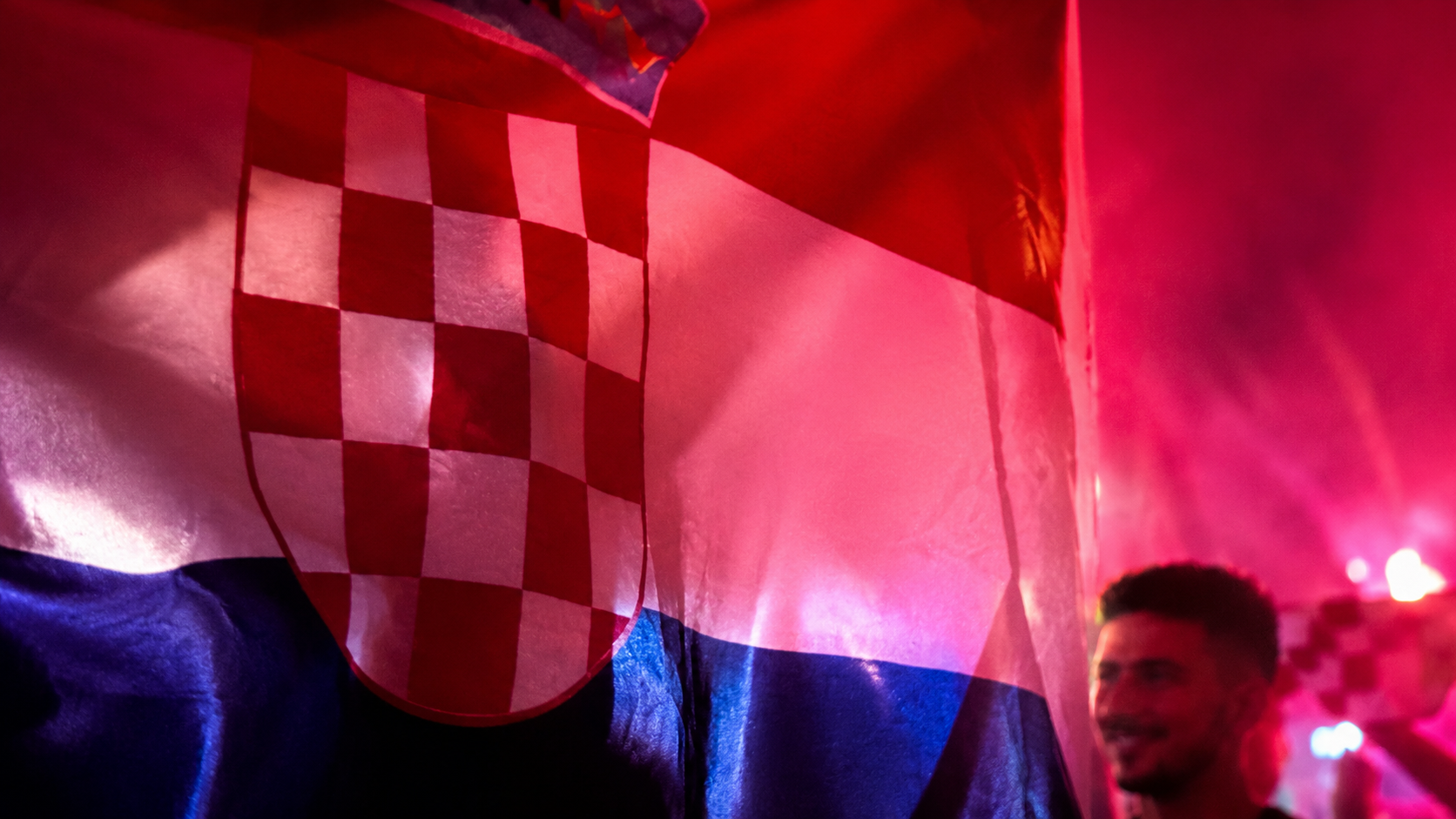
This is where the jokes politely step aside.
Because when the Croatian national team walks onto the pitch, something happens that no tourism slogan can manufacture and no luxury campaign can fully contain. The red-and-white checks are not merely a pattern. They are memory, pride, stubbornness, survival, style, drama, and a certain Croatian refusal to be reasonable when love is available.
Croatia is a small country with a large emotional engine. It does not enter a tournament; it arrives with history, cousins, coastal towns, diaspora WhatsApp groups, suspicious tactical analysis, and the kind of belief that makes no mathematical sense until suddenly it does.
Americans understand underdog stories. They practically invented the movie trailer for them. But Croatia is not quite an underdog. Croatia is something stranger and more stylish: a country that keeps behaving as if size were a clerical error. It walks into global sport like someone arriving late to a black-tie dinner in linen, apologizing to no one, and somehow becoming the most interesting person in the room.
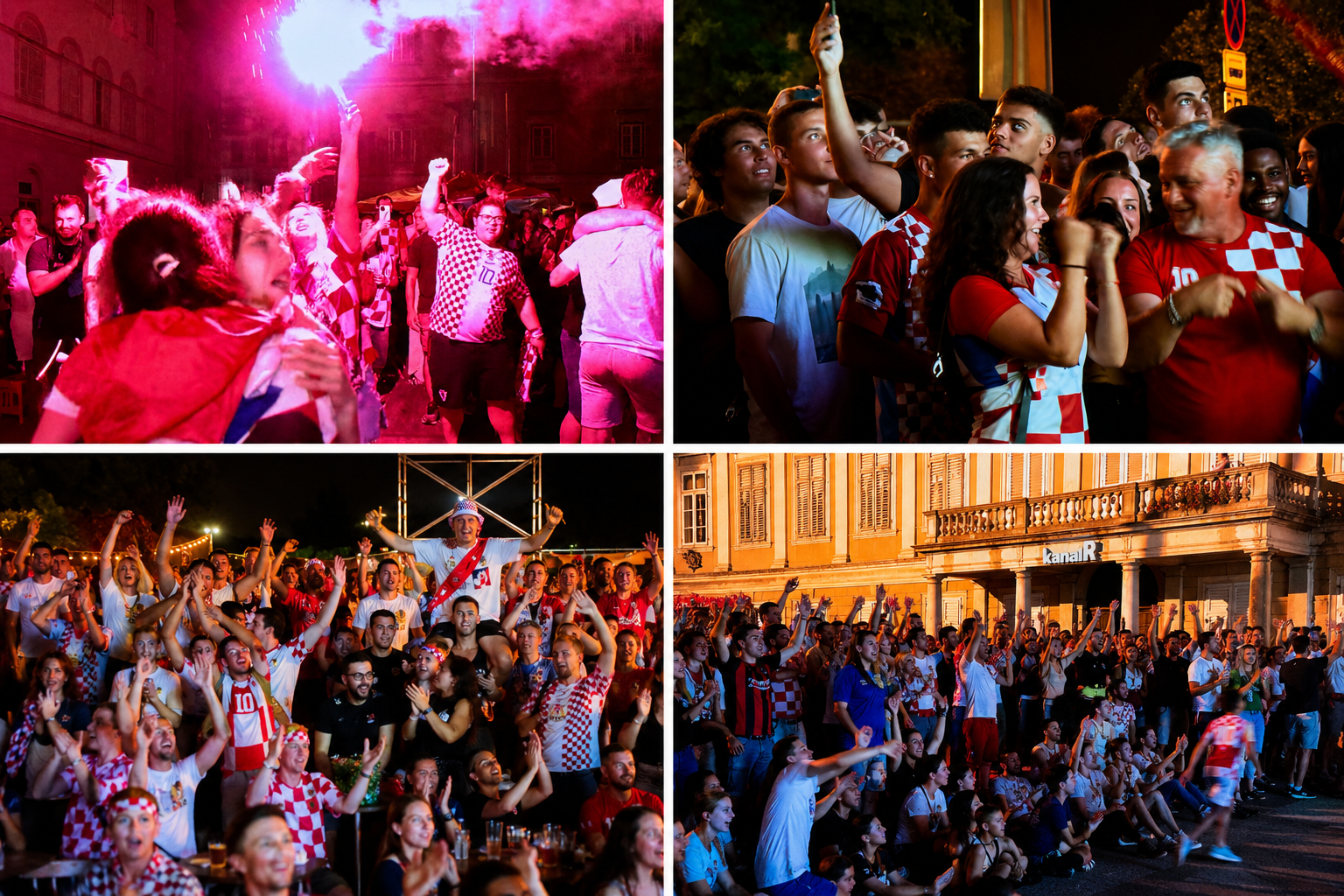
This is what makes Croatian football culture irresistible to travelers. It is not only the match. It is the atmosphere around the match. It is the waiter in Split balancing espressos while watching the counterattack over your shoulder. It is the woman in Zagreb who says she “doesn’t really follow football” and then gives a fifteen-minute monologue on substitutions. It is the island bar where the sunset pauses politely because everyone is staring at the screen. It is Dubrovnik stone glowing gold while someone three tables away whispers, “If we score now, I’m jumping into the sea from the Walls”
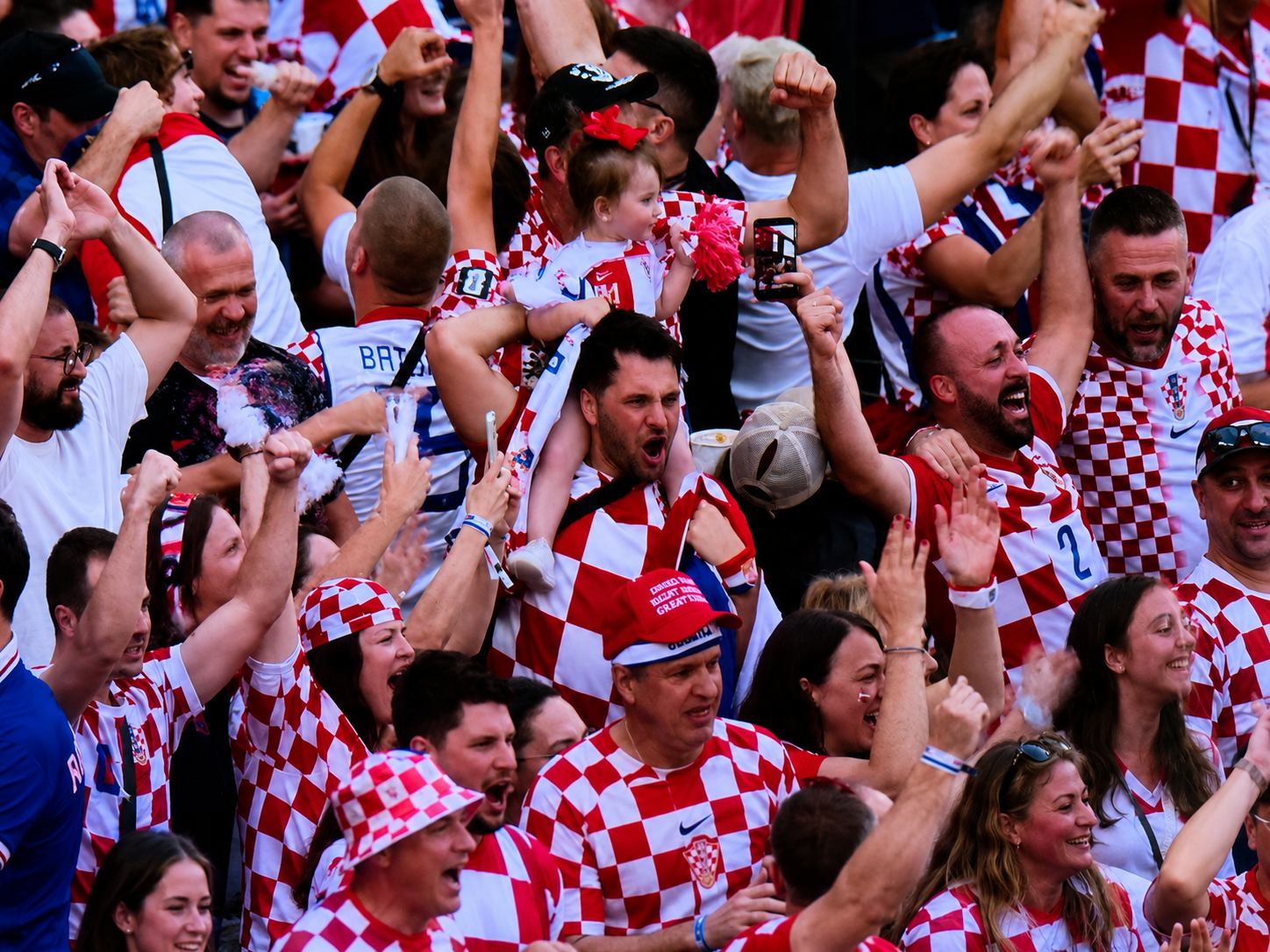
Croatia is deeply Staylicious
Not polished into silence. Not curated until sterile. But stylish, alive, emotionally resonant. The kind of place where a match can begin as entertainment and end as a national group therapy session with excellent seafood and grill afterward.
For American travelers, especially those who have just discovered that football is not an alternate spelling of the NFL, Croatia offers an education. Here, a match is not background noise. It is social choreography. It tells you who we are: critical but loyal, dramatic but precise, sarcastic but sentimental, impossible to impress and very easy to move.
You may arrive for the coastline. You may book for the islands. You may come because John Malkovich looked mildly inconvenienced by paradise and you found that relatable. But stay long enough and you will learn the deeper truth: Croatia is not only beautiful. Croatia is beautifully involved.
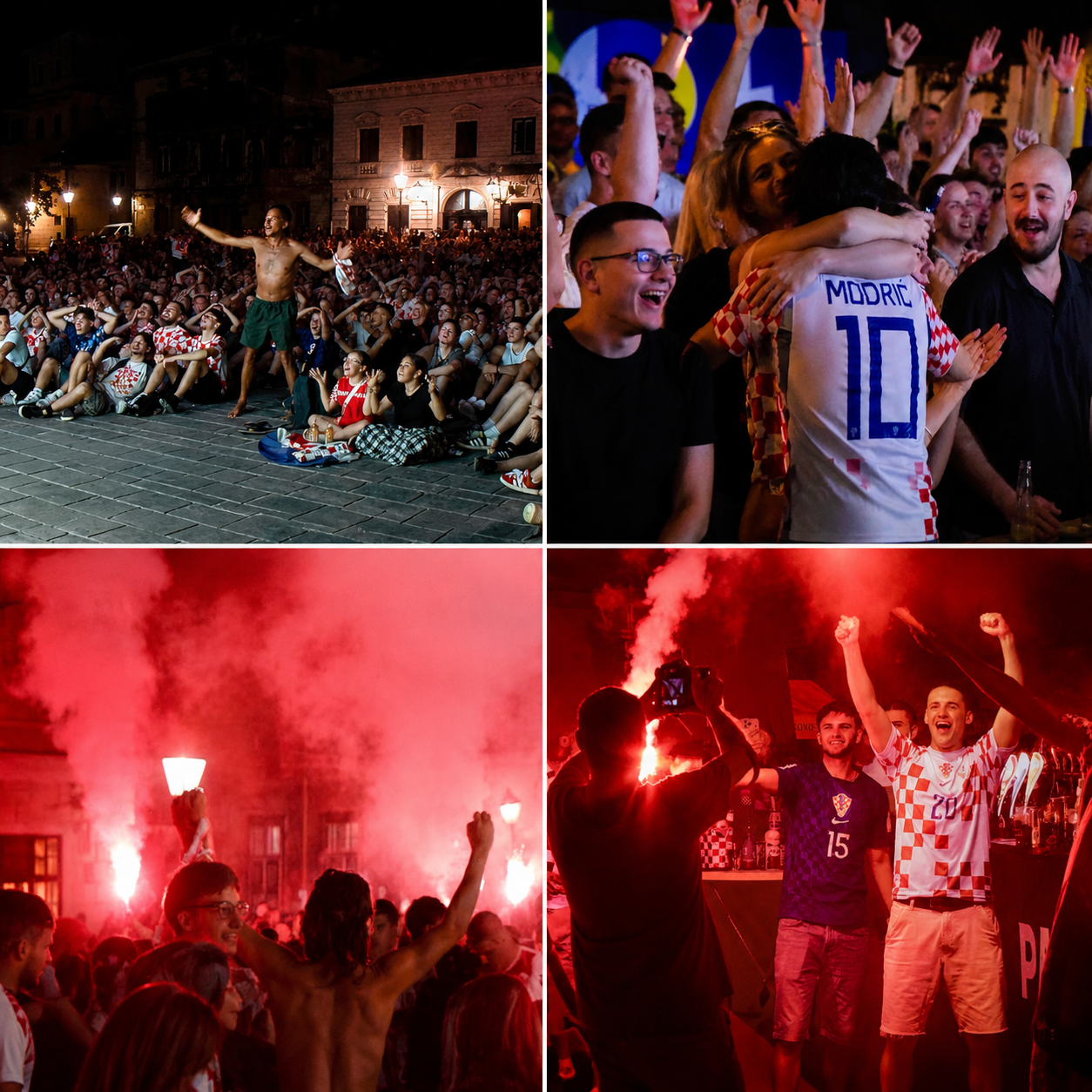
That is why CROATIAN ATTRACTIONS, as a Croatia DMC, understands that the real luxury is not simply securing the perfect villa, the private boat, the Michelin-level table, or the hidden beach at the right hour of light. The real luxury is access to feeling — to the places, rituals, people, and moments that make a destination pulse. During football season, that might mean a terrace dinner timed around the match, a private viewing in a historic setting, or a coastal evening where the line between sport, travel, and national theatre disappears completely.
In Croatia, you do not just watch the game
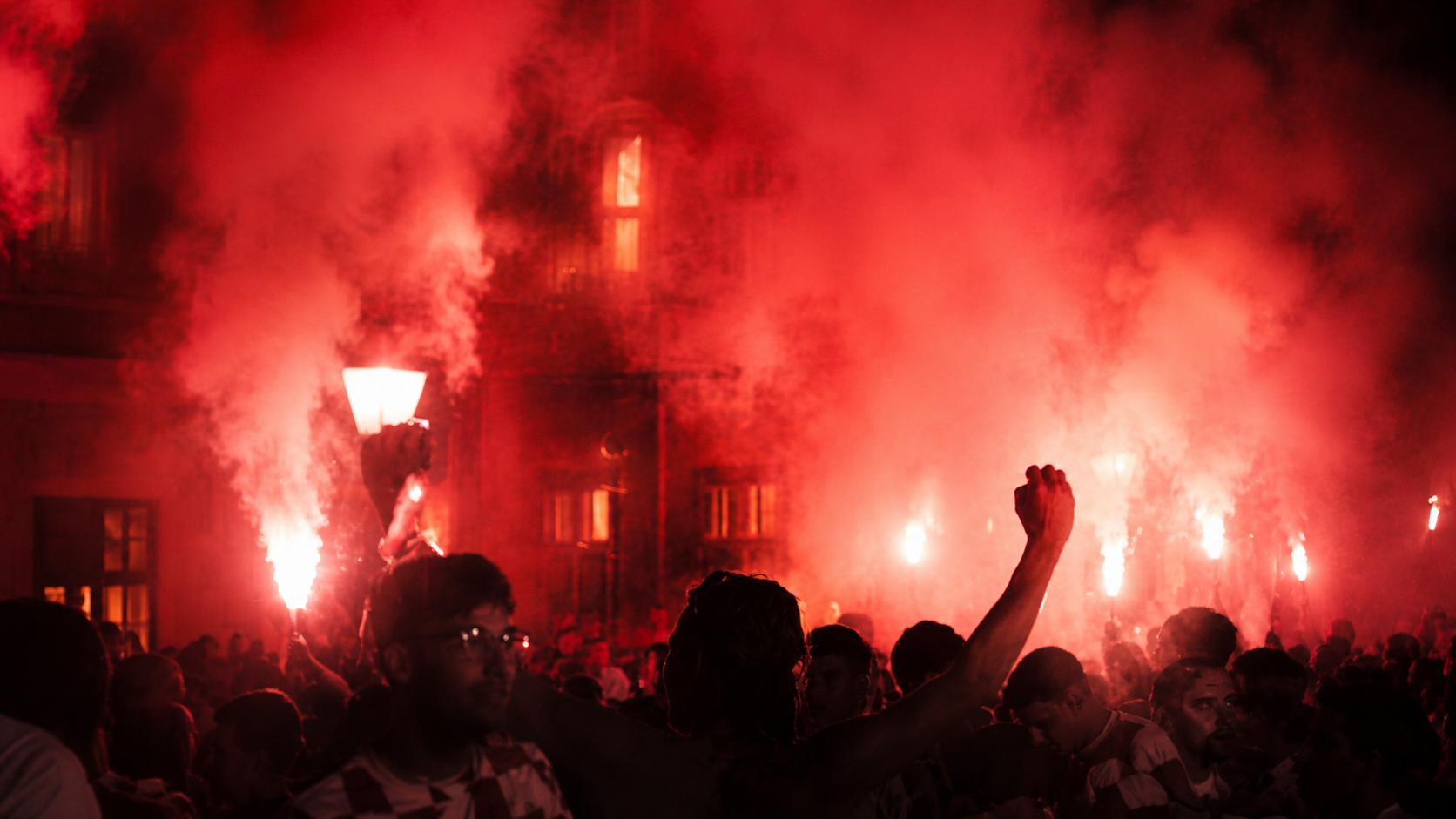
You become briefly related to everyone. You learn that silence before a penalty is a sacred substance. You learn that the referee is never fully innocent. You learn that no lead is comfortable, no loss is final, and no victory is small enough to avoid fireworks, singing, hugging strangers, and someone immediately explaining what still could have been done better. That is the Croatian condition: ecstasy, followed by analysis. So, dear America, welcome to football. The real one. The one played with feet, yes, but also with nerves, superstition, memory, and an entire nation leaning forward from the sofa. We are delighted you are joining us. Just remember: if Croatia wins, we always believed. If Croatia loses, we were robbed. If it ends in a draw, there will be a three-hour investigation conducted by men in cafés who have never needed evidence to reach a conclusion.
And if John Malkovich still has complaints?
Good. He is one of us!
