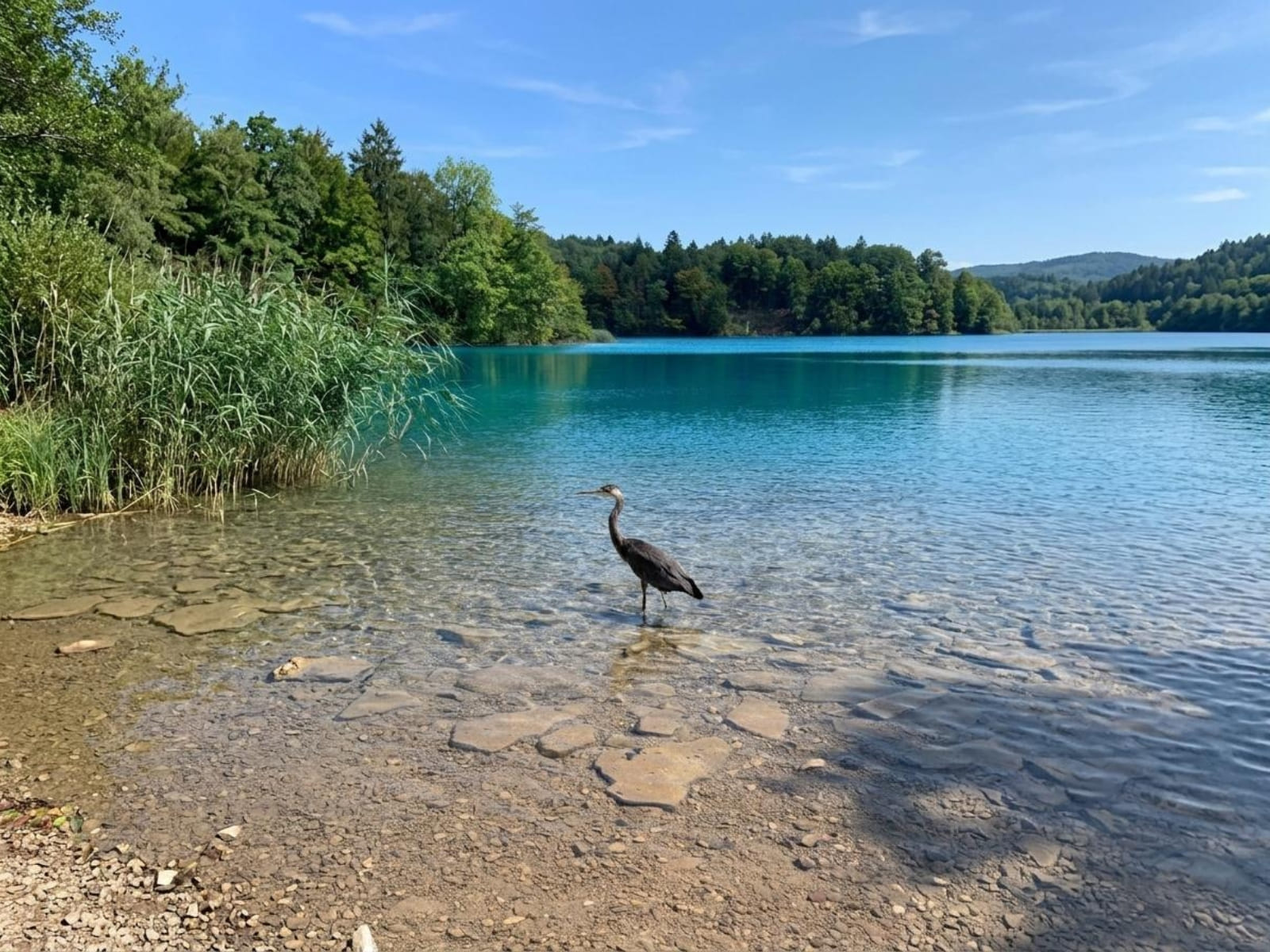
Luxury used to be visible.
It arrived by helicopter, shimmered in marble, and announced itself through scale.
Today, it hides.
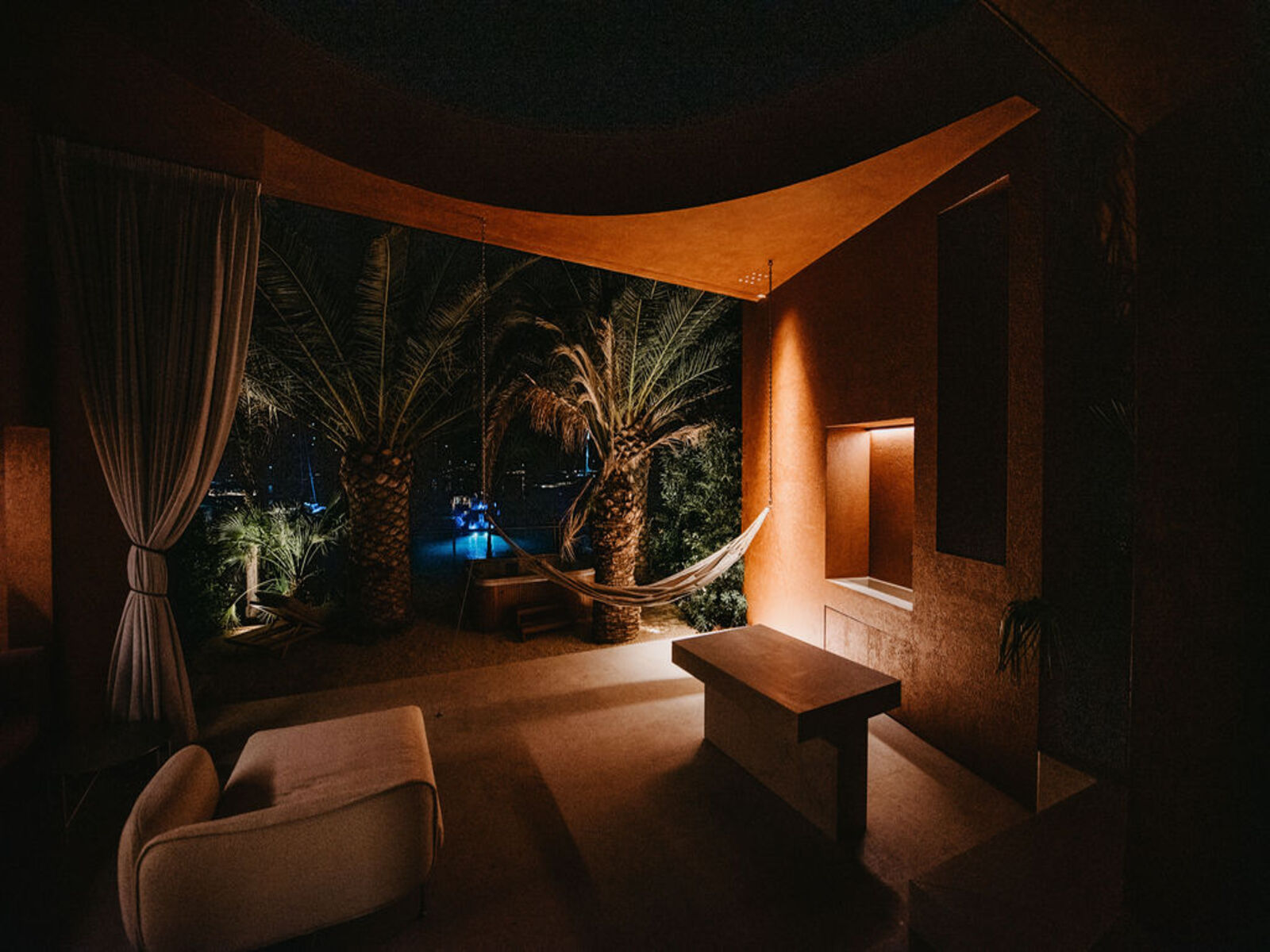
The most sophisticated travelers no longer chase what can be seen. They seek what has not yet been altered — landscapes that feel intact, experiences that feel unforced, destinations that have resisted the urgency of reinvention.
Along the Mediterranean, that resistance has become rare.
In Croatia, it still exists.
Stretching down the Adriatic in a fractured line of more than a thousand islands, the country appears — at first glance — to follow the same formula as its neighbors: crystalline water, historic towns, sun-bleached stone. But move beyond the headline ports and something else emerges.
There are islands where pine resin scents the air long before you see the shoreline. Where cicadas replace music systems. Where dry-stone walls outnumber design hotels. In certain coves, the loudest sound at sunset is the soft rhythm of water touching rock.
Silence here does not feel engineered. It feels inherited.
And the deeper you go — away from the marina choreography and into the folds of the landscape — the more apparent it becomes that Croatia’s true luxury is not coastal glamour, but spatial generosity.
Drive inland and the tempo slows almost imperceptibly. In Istria, morning mist lingers between vineyard-covered hills, dissolving slowly under pale sunlight. Truffle forests carry the scent of damp earth and oak. Hilltop towns appear like brushstrokes against green horizons.
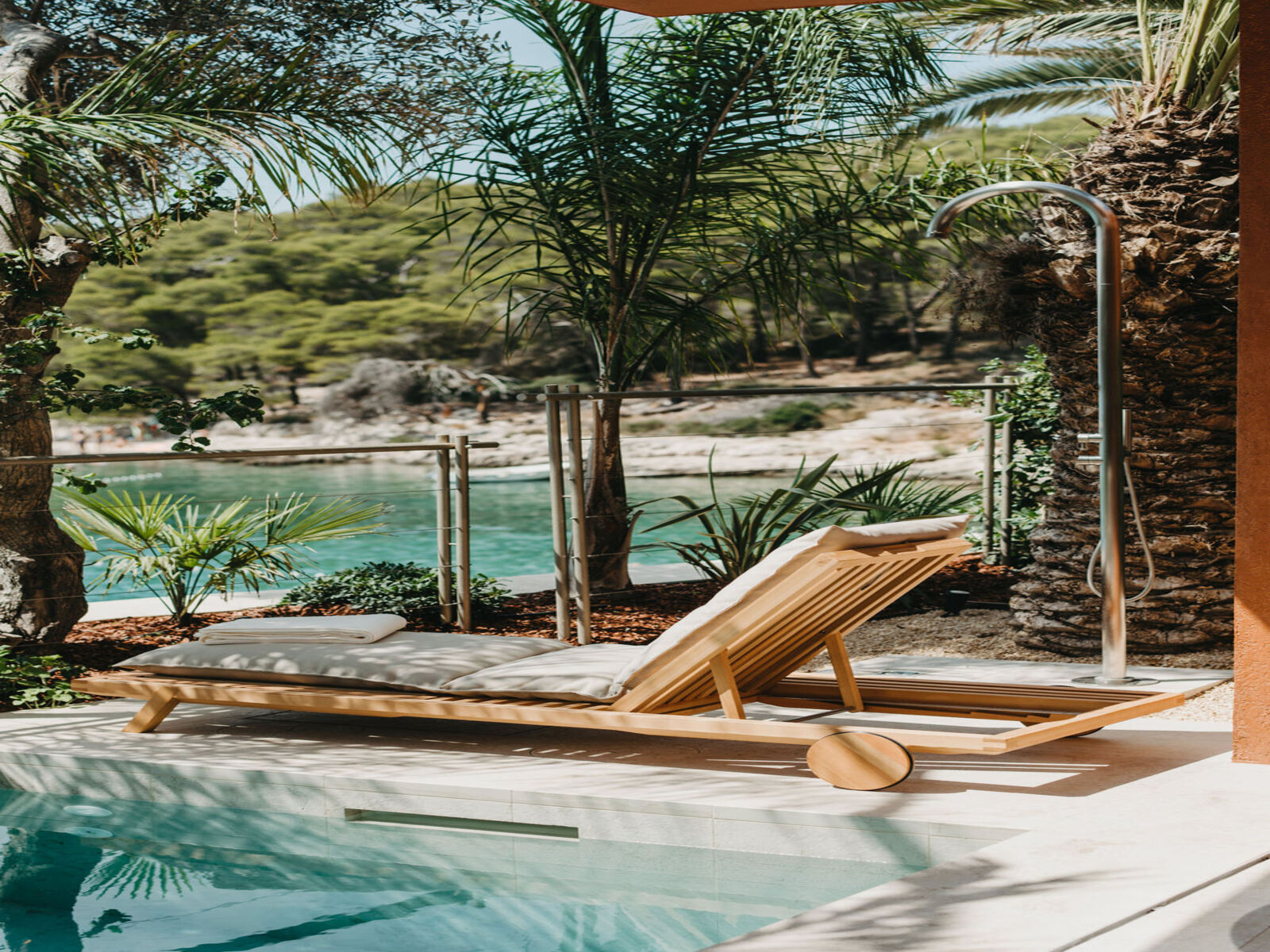
Further south, Dalmatia’s hinterland opens into karst fields and stone hamlets where time is measured in harvests, not seasons. In Lika and Gorski Kotar, forests absorb sound so completely that footsteps feel amplified. Waterfalls cut through limestone with ancient patience.
These places were never designed for tourism. They simply endured.
Yet accessing them well — and without disturbing their equilibrium — is an art form.
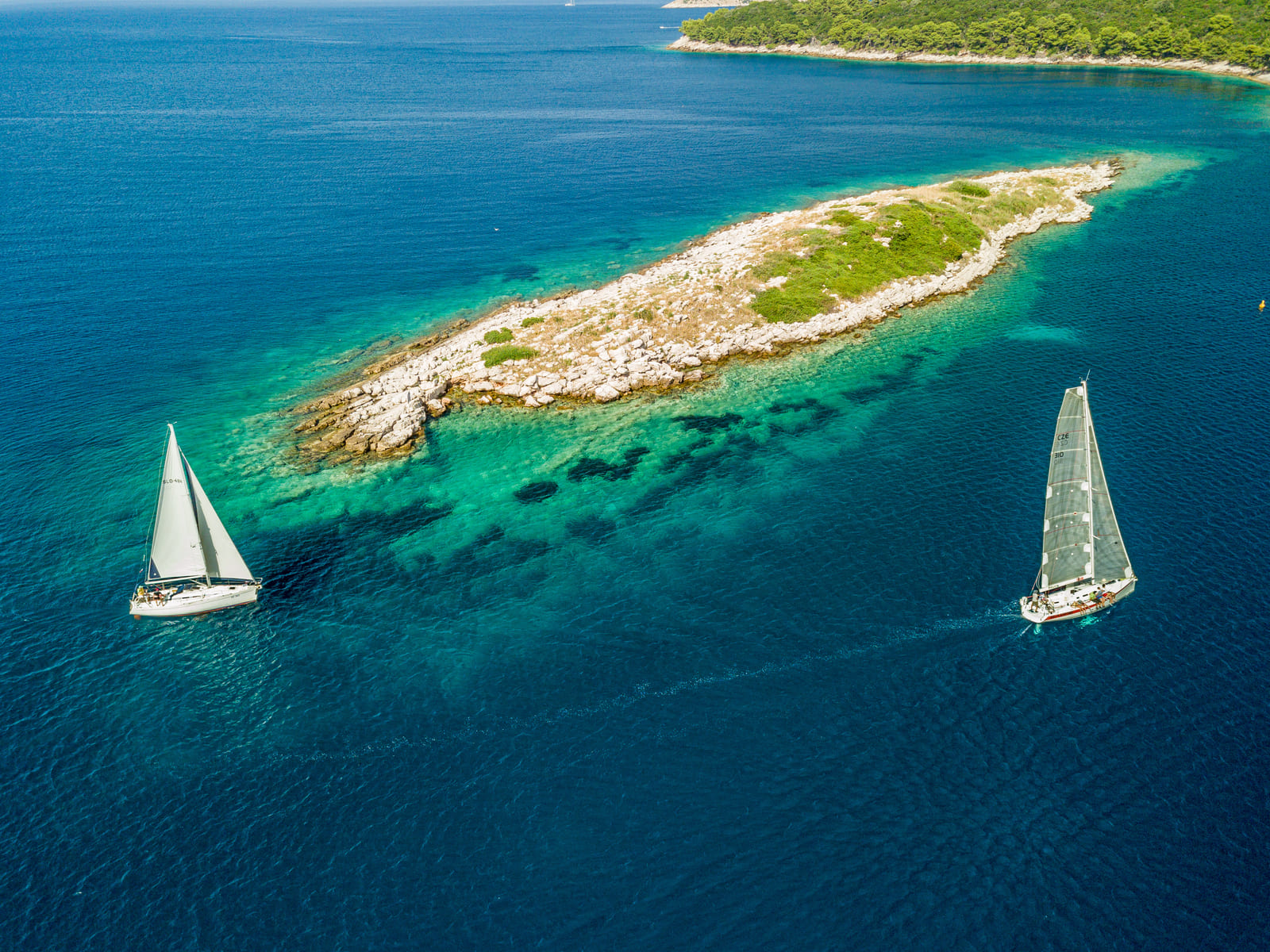
The new luxury traveler
The new luxury traveler does not want abundance. They want calibration. They want to arrive at the right cove at the right hour, when the light turns silver and the sea is undisturbed. They want to enter a vineyard not because it is advertised, but because it has been opened through trust. They want a national park before it fills with footsteps. They want privacy that feels natural, not manufactured.
In Croatia, achieving that balance requires more than booking the correct hotel suite. It requires architecture behind the scenes.
Over the past decade, a small circle of local destination specialists has quietly elevated how the country is experienced at the highest level. Among them, CROATIAN ATTRACTIONS has become known within international luxury travel networks for an approach rooted in restraint rather than display.
Their philosophy is subtle: design journeys that reveal Croatia gradually, proportionally — island to mainland, coast to interior — allowing space itself to become part of the experience.
A private boat departure timed not for visibility but for stillness. A historic villa activated for a multi-generational stay, fully serviced yet visually untouched. A chef-led dinner arranged on a stone terrace overlooking olive groves, lit by lanterns rather than lighting rigs. Access to cultural sites outside public hours, not for exclusivity’s sake, but for intimacy. None of it feels excessive. That is precisely why it resonates.
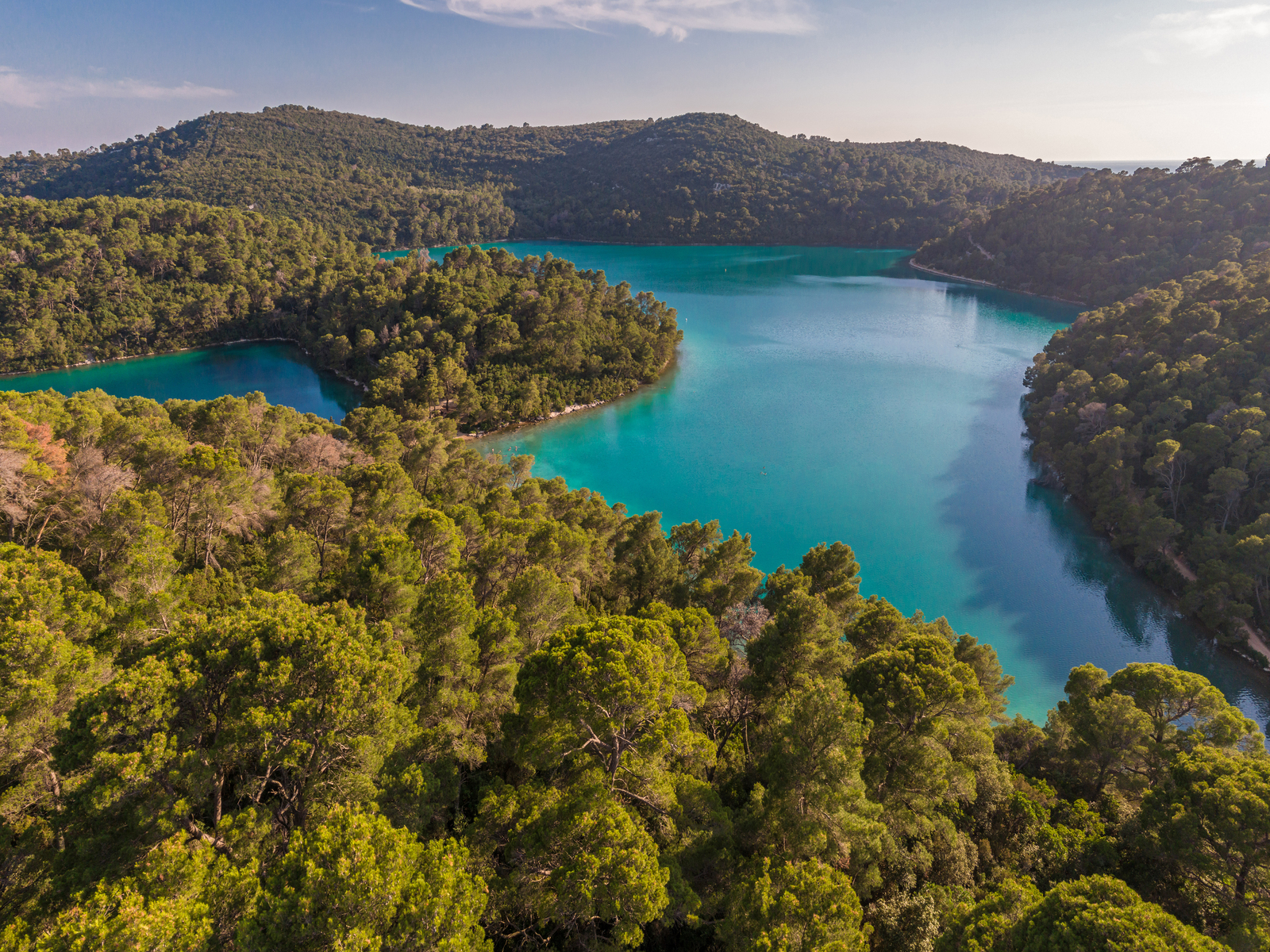
The slow travel philosophy
In a Mediterranean increasingly recalibrating after decades of exposure, Croatia’s relative restraint has become its most strategic asset. It remains one of the few coastal European destinations where one can still feel alone with the landscape — not because entry is restricted, but because density has not yet erased intimacy.
For global travel advisors and luxury tour operators, this creates a rare proposition: a destination that offers Mediterranean beauty without Mediterranean saturation.
But discretion is fragile. Handled poorly, it becomes performance. Handled intelligently, it becomes memory.
The most compelling journeys in Croatia are those that understand this nuance. They treat sustainability not as marketing language, but as pacing. They recognize that what is left untouched is often more powerful than what is added. They curate silence as deliberately as others curate spectacle.
Croatia did not set out to redefine luxury. It simply avoided redefining itself too quickly. And in an era of amplified destinations, that restraint feels quietly radical.
Because the most powerful luxury today is not what can be photographed.
It is what can still be felt.
It is no coincidence that those who know Croatia best — including the discreet architects of journeys such as CROATIAN ATTRACTIONS (DMC)— treat silence not as absence, but as the country’s most valuable asset.