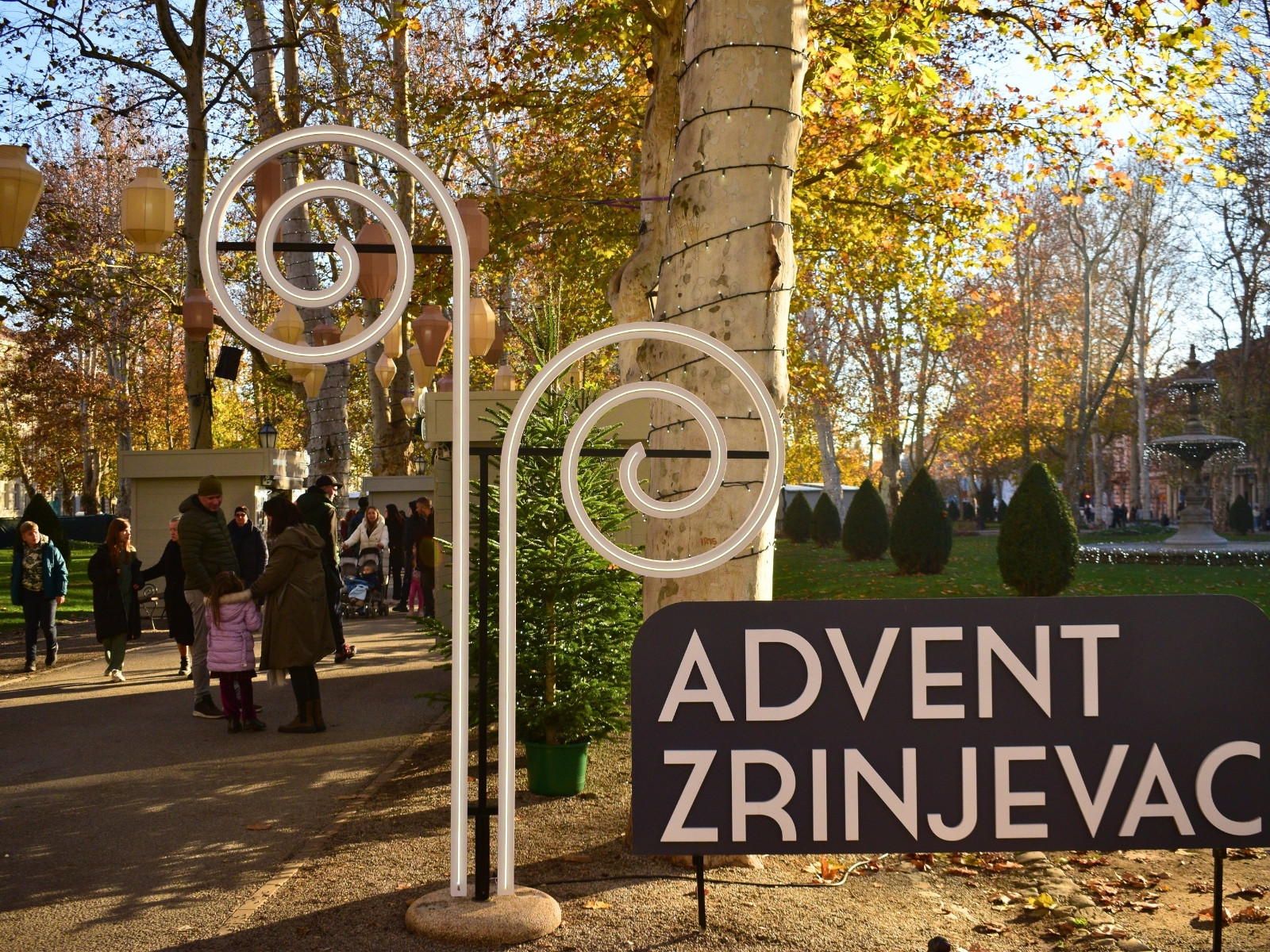
In Croatia, the festive charm of December begins long before Christmas. As Advent lights glow across Zagreb, Split, Dubrovnik, and the rest of the country, one special day brings excitement to children and nostalgia to adults—St. Nicholas Day, celebrated on December 6th.
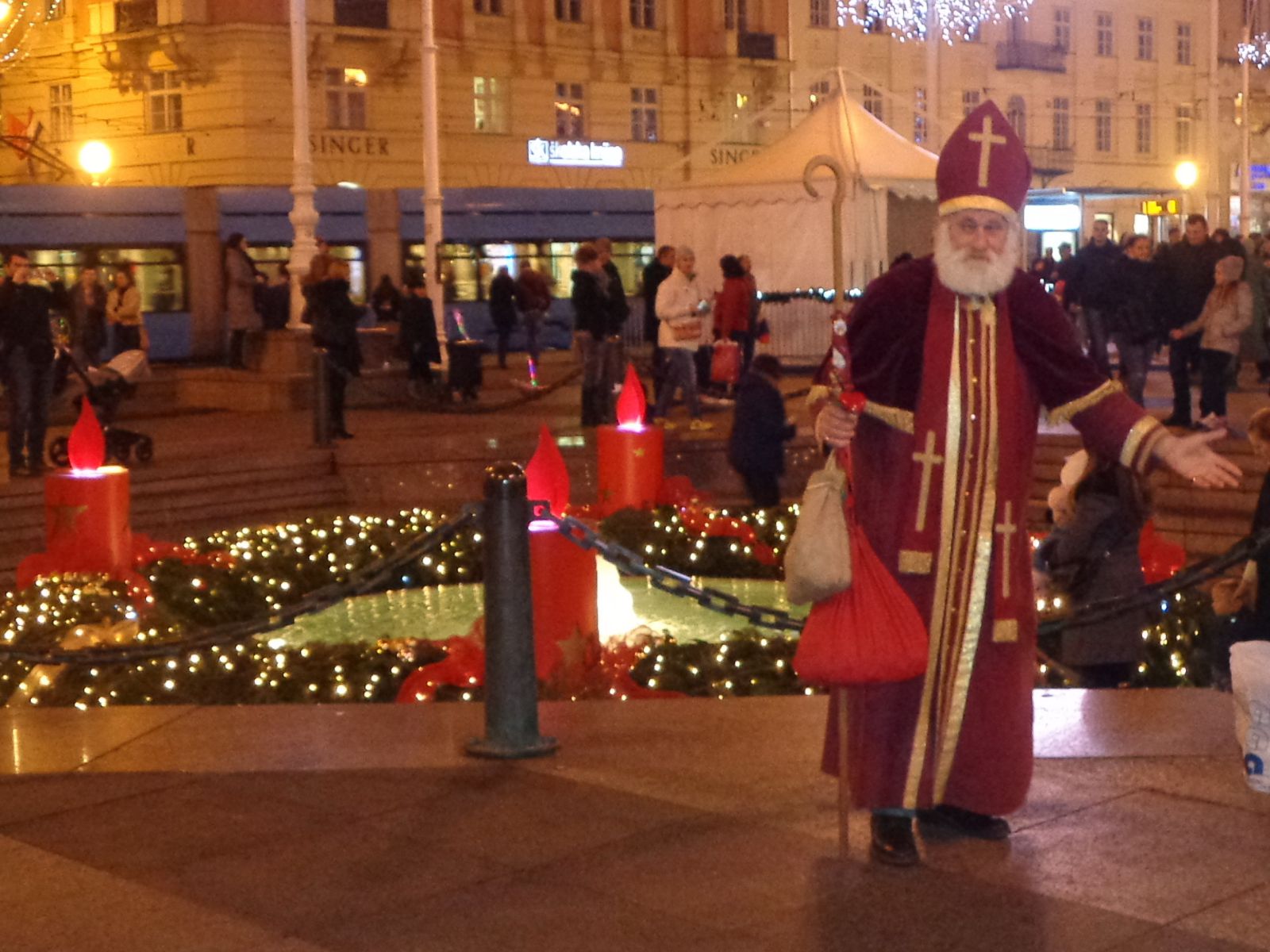
This cherished holiday, deeply rooted in Croatian culture and Christian tradition, marks the arrival of Sveti Nikola, the protector of children, sailors, travelers, and the poor. But behind the polished boots, the sweet treats, and the playful threat of Krampus lies a story that has shaped European winter traditions for centuries.

Who Was St. Nicholas? The Man Behind the Legend
St. Nicholas was a 4th-century bishop from Myra, in present-day Turkey. Orphaned young but blessed with great compassion, he became known for his extraordinary generosity, courage, and devotion to helping the most vulnerable.
Croatian families have long treasured stories about him—especially the famous tale of the poor father with three daughters. Without money for dowries, the man feared for their future. Learning of this, Nicholas quietly brought them bags of gold under the cover of night, slipping them through the window so the girls could marry with dignity. His discreet kindness became the foundation of the gift-giving tradition we know today.
Another beloved legend tells of St. Nicholas calming a storm during a pilgrimage to the Holy Land, saving a ship and its sailors. Because of this, he remains the patron saint of seafarers, which is why his figure appears in many coastal towns along the Croatian coast—from Dalmatia to Istria.

Croatian Customs: Boots in the Window and the Watchful Krampus
On the night of December 5th, Croatian children carefully clean and polish their little boots, placing them on the windowsill or by the door. In the morning, they wake to find:
Sweets, fruit, or small gifts — for the good ones
A “switch” (rod) — for those who may not have behaved perfectly
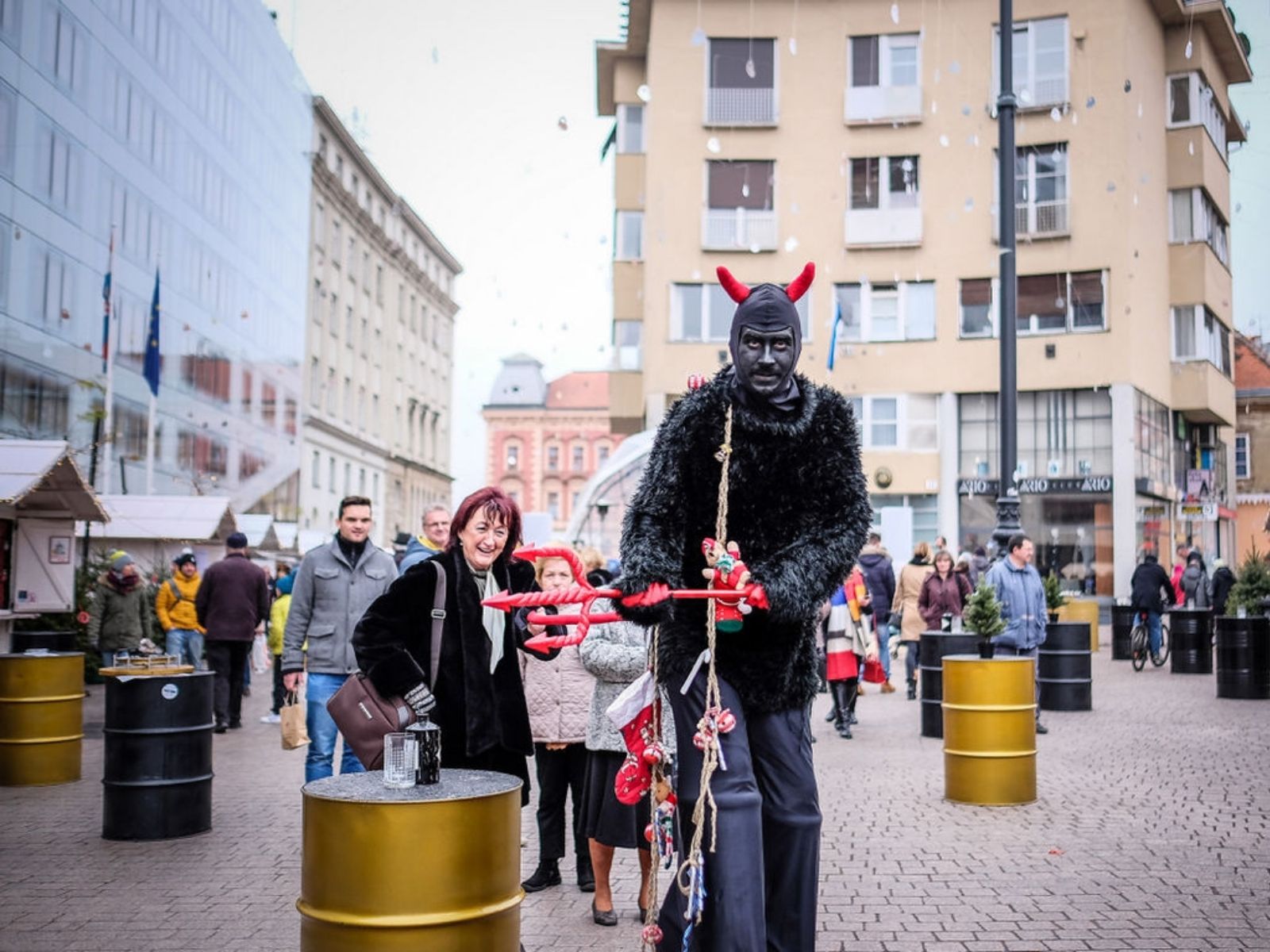
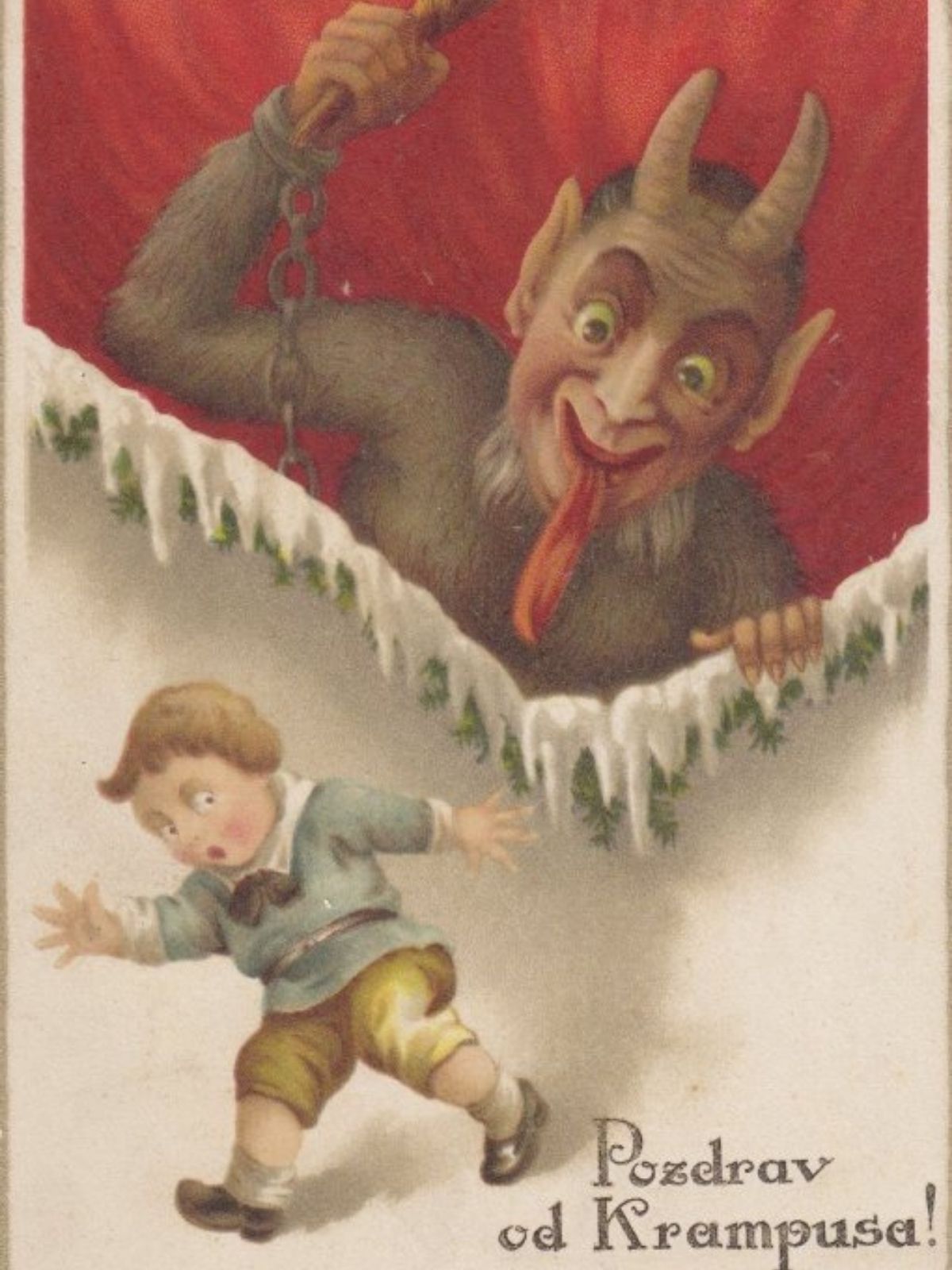
This “rod” is said to be delivered by Krampus, the mischievous, horned companion of St. Nicholas. While St. Nicholas rewards, Krampus reminds children to try a little harder next time. The playful duality of good and naughty has been part of Croatian childhood memories for generations.
In some coastal regions, such as Dalmatia and Kvarner, families once placed three apples under the pillow on St. Nicholas Eve—a beautiful symbol of blessing and abundance.
St. Nicholas in Croatia: Heritage, Faith, and the Start of the Festive Season
Croatia’s devotion to St. Nicholas can be traced back centuries. One touching example is the small stone chapel built in 1922 above the cove of Mrtinovik on Hvar Island, a votive church dedicated to Our Lady of Health and St. Nicholas, built by a shipwreck survivor as a gesture of gratitude.
Today, the feast of St. Nicholas marks a joyful moment in Croatia’s Advent season, when the first excitement for Christmas truly begins. Streets fill with music, families gather, winter markets sparkle—and children open their hearts (and boots!) to the spirit of giving.
A Saint Loved Across Croatia and the World
St. Nicholas is celebrated not only as the protector of children but also of sailors, girls, the poor, students, pharmacists, bakers, fishermen, prisoners, travelers, the island of Sicily, and many European cities.
Yet in Croatia, he holds an especially warm place in family life—a symbol of kindness, hope, and the quiet joy of giving.
St. Nicholas Day: A Beautiful Beginning to Christmas in Croatia
Whether you’re exploring Zagreb Advent, wandering through the illuminated streets of Split, or enjoying winter sunshine in Dubrovnik, St. Nicholas Day offers a glimpse into the heart of Croatian traditions: family, generosity, and love.
It’s the perfect introduction to the magical season that follows—Christmas in Croatia, where heritage shines and simple rituals bring people together.