Where Water Learns to Dance: A Journey Through Rastoke and Plitvice Lakes
Some landscapes impress you. Others rearrange you. Plitvice Lakes National Park belongs to the latter. It is not simply a place to visit, but a place to enter, slowly, attentively, almost as if stepping into a living, breathing composition of water, stone, and light.
And like all meaningful arrivals, this one begins before you think it does.
Just before Plitvice reveals itself, Rastoke offers a softer, more intimate introduction.
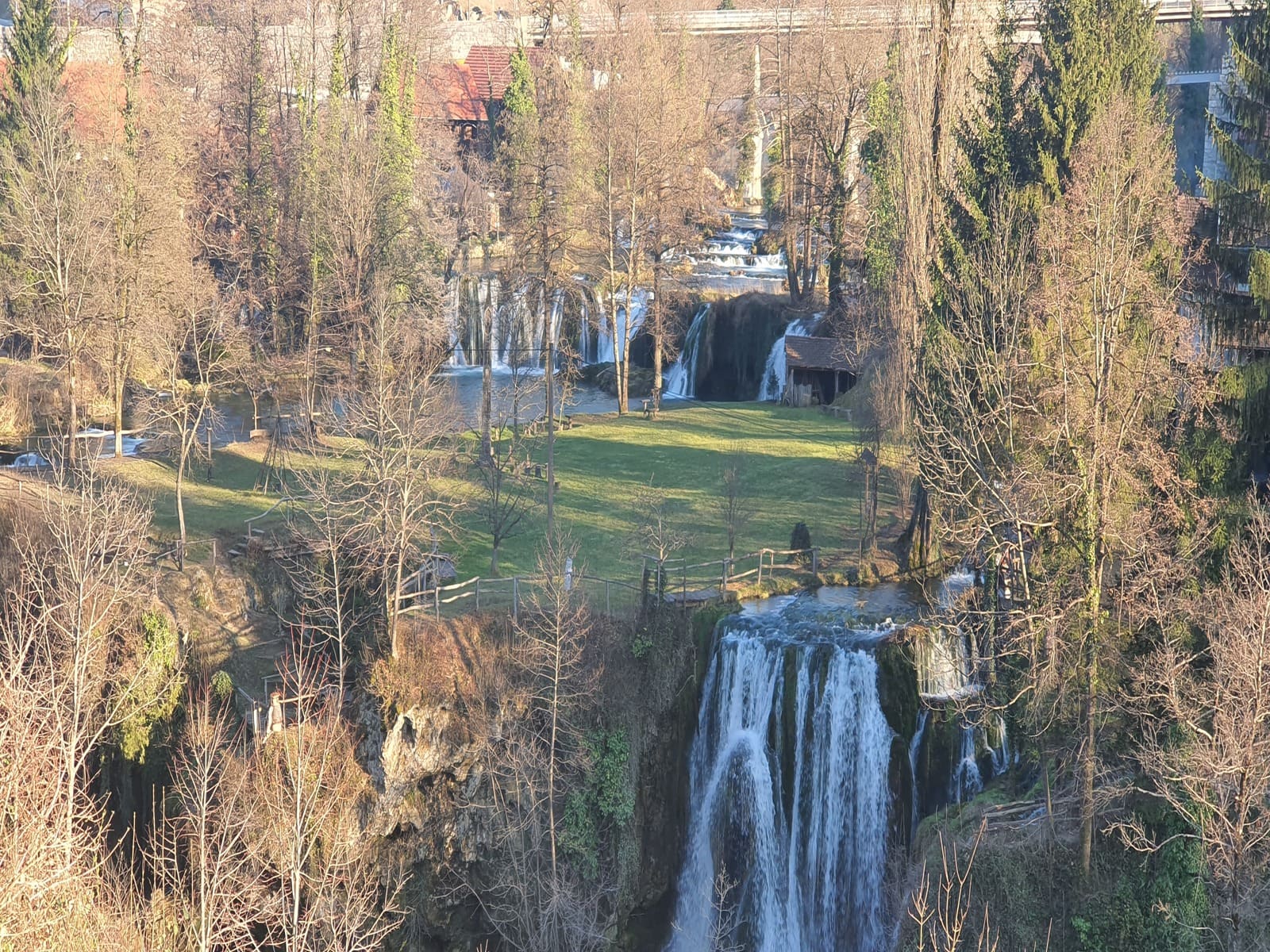
Here, the Slunjčica River folds into the Korana in a choreography of waterfalls, rapids, and quiet pools, more than twenty cascades threading their way through a village that feels inseparable from the water itself. Wooden houses rest above streams, mills whisper of another time, and everything seems to exist in gentle coexistence.
Often called the “Little Plitvice,” Rastoke is something else entirely: a place where nature feels inhabited, not just observed.
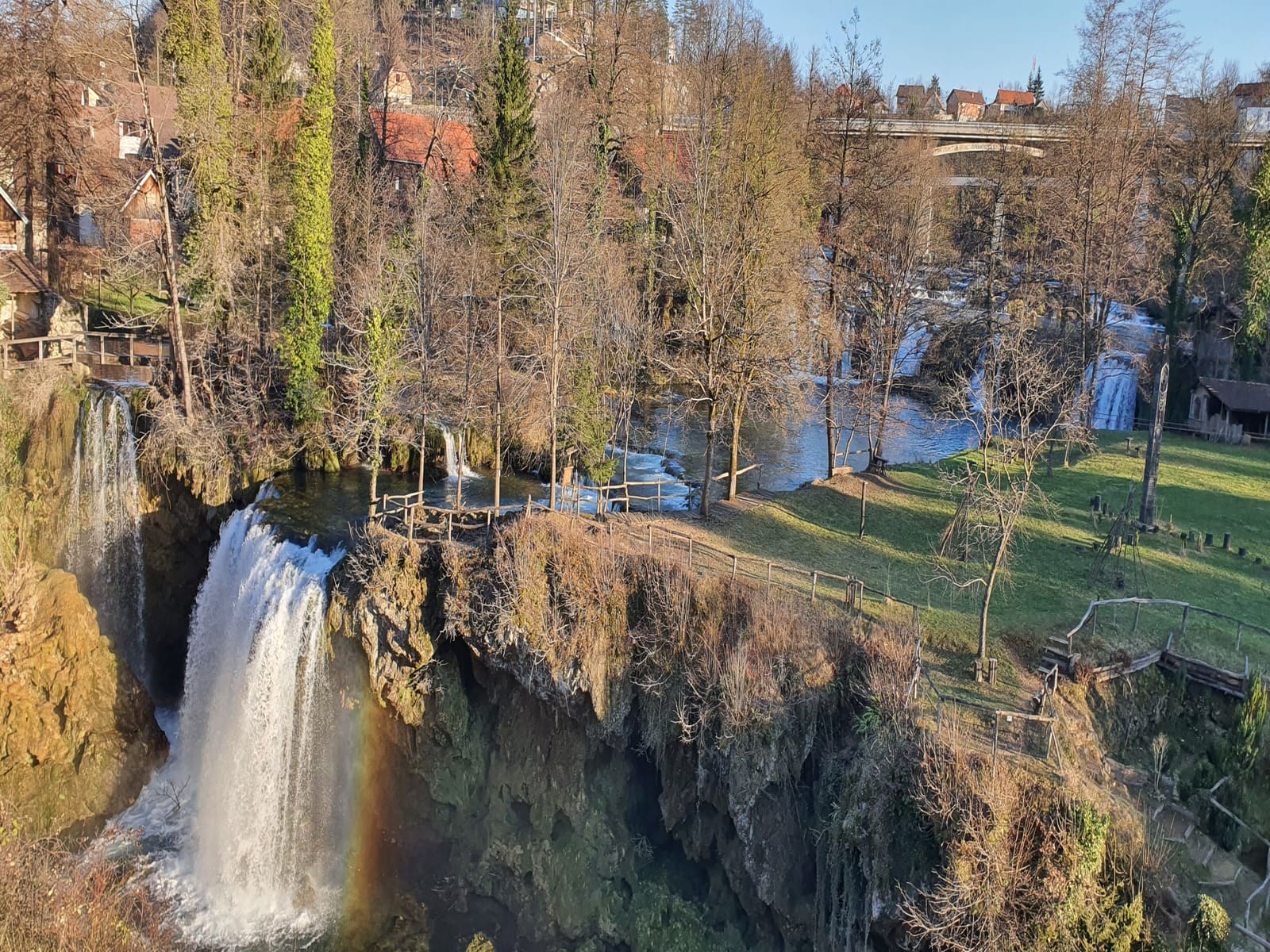
Rastoke feels like something out of a fairytale. Wooden houses stand above cascading streams, and the entire village is woven into the rhythm of water and stone. According to local folklore, Rastoke has long been home to mysterious forest fairies. Said to be shy and elusive, they would come alive at night, avoiding human presence. Old tales tell of millers working late by the soft glow of oil lamps, sharing stories while their horses rested nearby, only for the fairies to quietly take them away for midnight rides. At dawn, as the first sunlight touched the grass and water, the horses would return, breathless, their manes intricately braided, as if they had spent the night dancing across the hills. Though the horses are no longer in the town today, many believe the fairies remain. Their favorite gathering place is said to be the waterfall known as Vilina kosa (“Fairy’s Hair”), whose shimmering silver streams resemble their mythical hair.
Whether believed or not, these stories linger in the air.
Stand by Vilina Kosa, “Fairy’s Hair”, and you begin to understand why.
Plitvice Lakes: Nature in Constant Motion
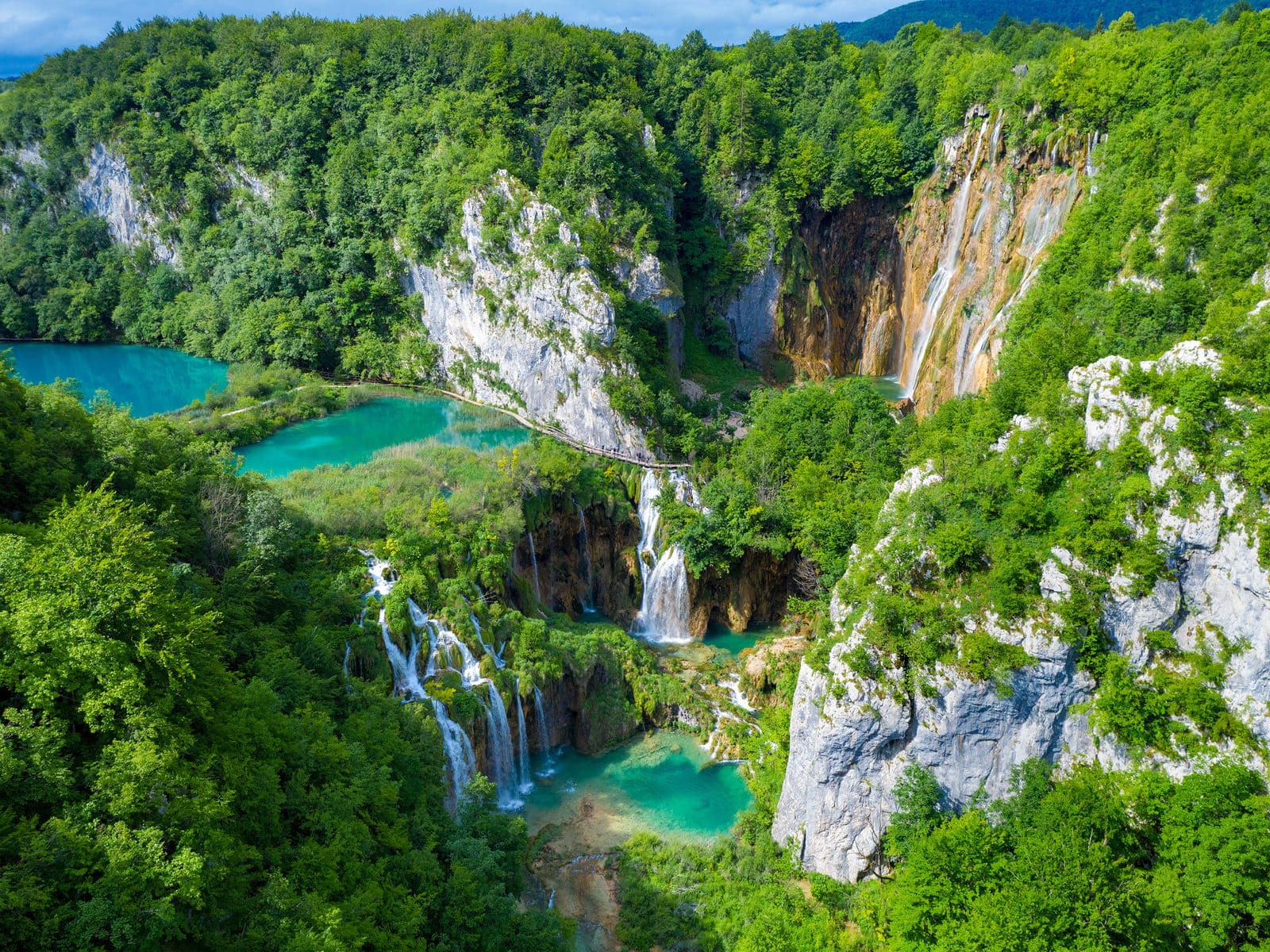
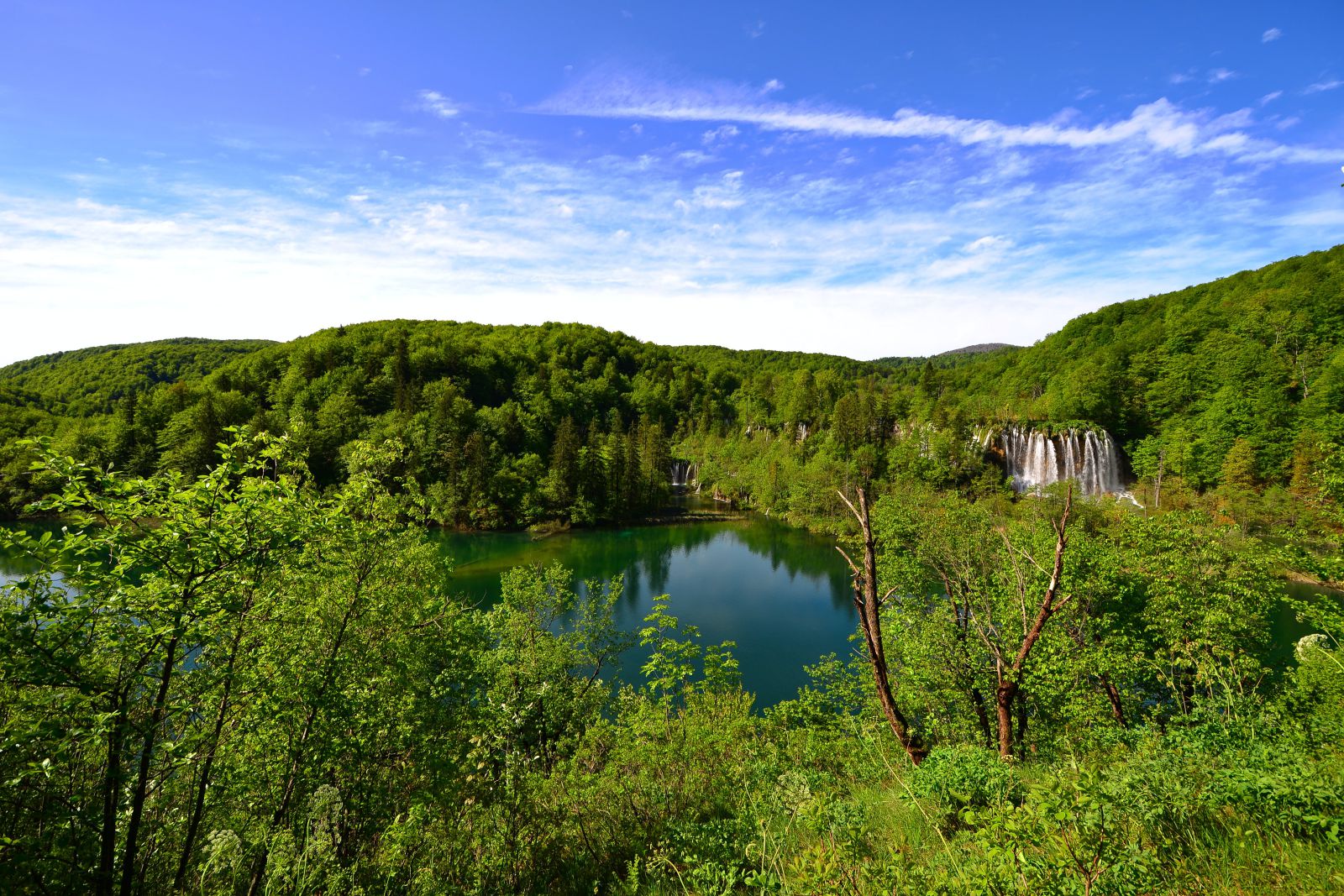
The journey toward Plitvice is deliberately understated. Rolling hills, dense forest, and quiet anticipation, until, almost unexpectedly, the landscape opens. A glimpse of water. A flash of movement. Then a waterfall in the distance, framed by green so vivid it feels almost curated.
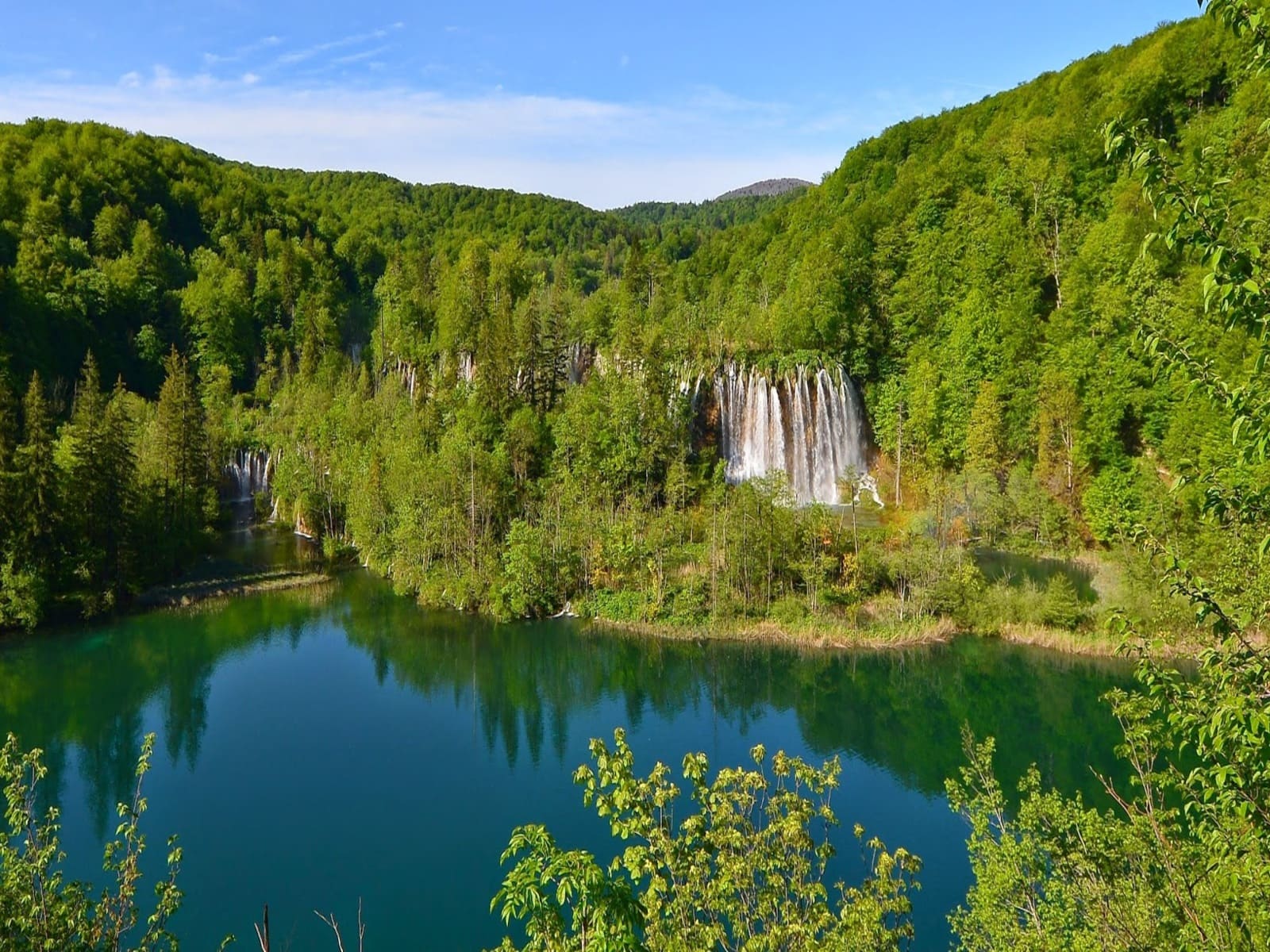
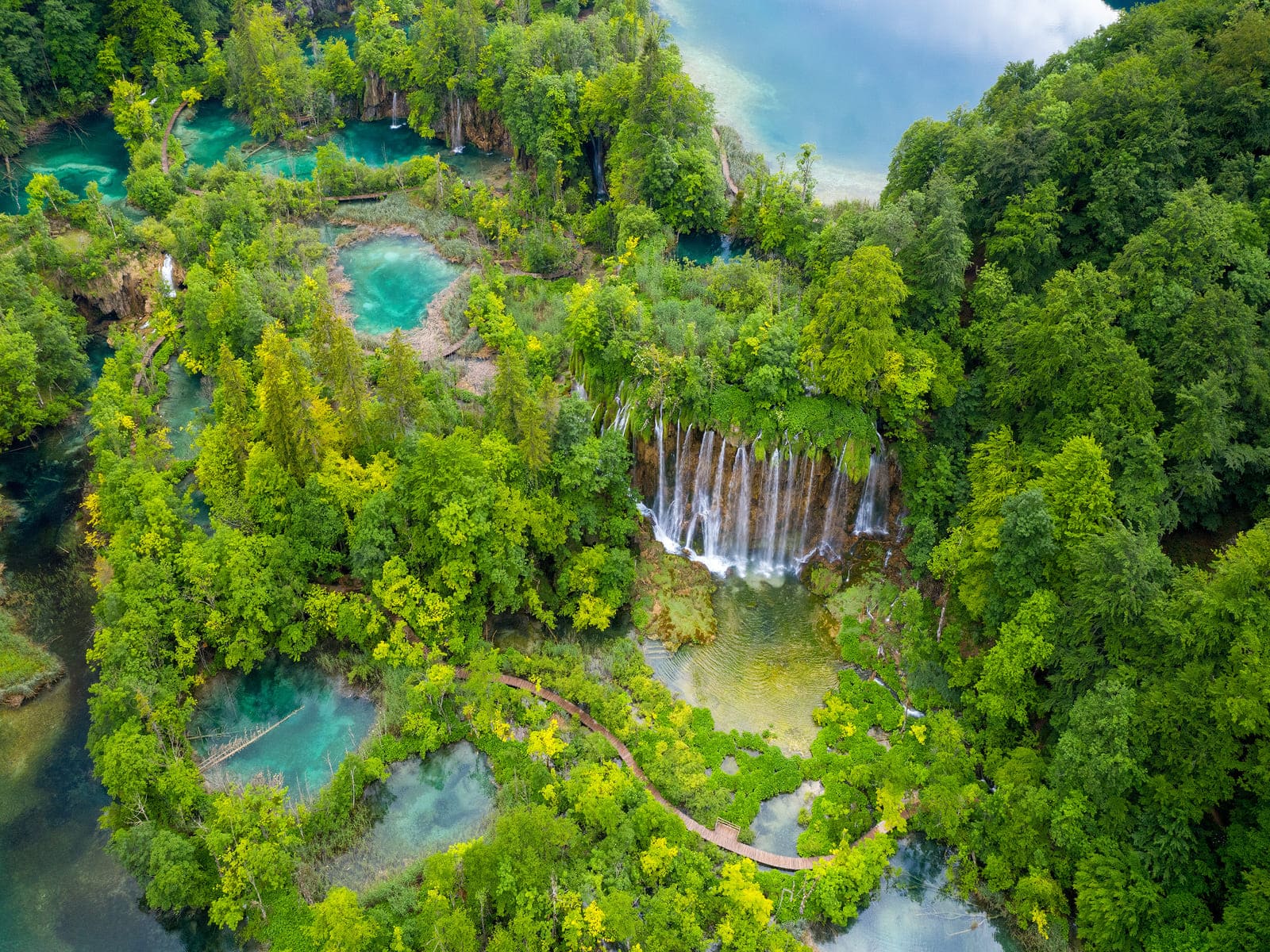
At its core, Plitvice is a system, sixteen lakes connected not by static boundaries, but by movement. Water flows, reshapes, deposits, and transforms. Travertine barriers rise slowly over time, redirecting currents, creating new cascades, dissolving old ones.
Nothing here is fixed. The colors shift constantly, emerald, turquoise, and deep blue, depending on light, minerals, and depth. It is not a palette you can predict, only observe.
This is why Plitvice was among the first natural sites to earn UNESCO World Heritage status. Not for a single view, but for a process, an ongoing act of creation.
Walking Through Water
The experience is not designed to impress from afar, but to immerse.
A quiet electric boat glides across still water, offering a moment of calm before the movement resumes. A panoramic train carries you gently through forested sections, revealing glimpses rather than conclusions.
But it is on foot that Plitvice becomes unforgettable.
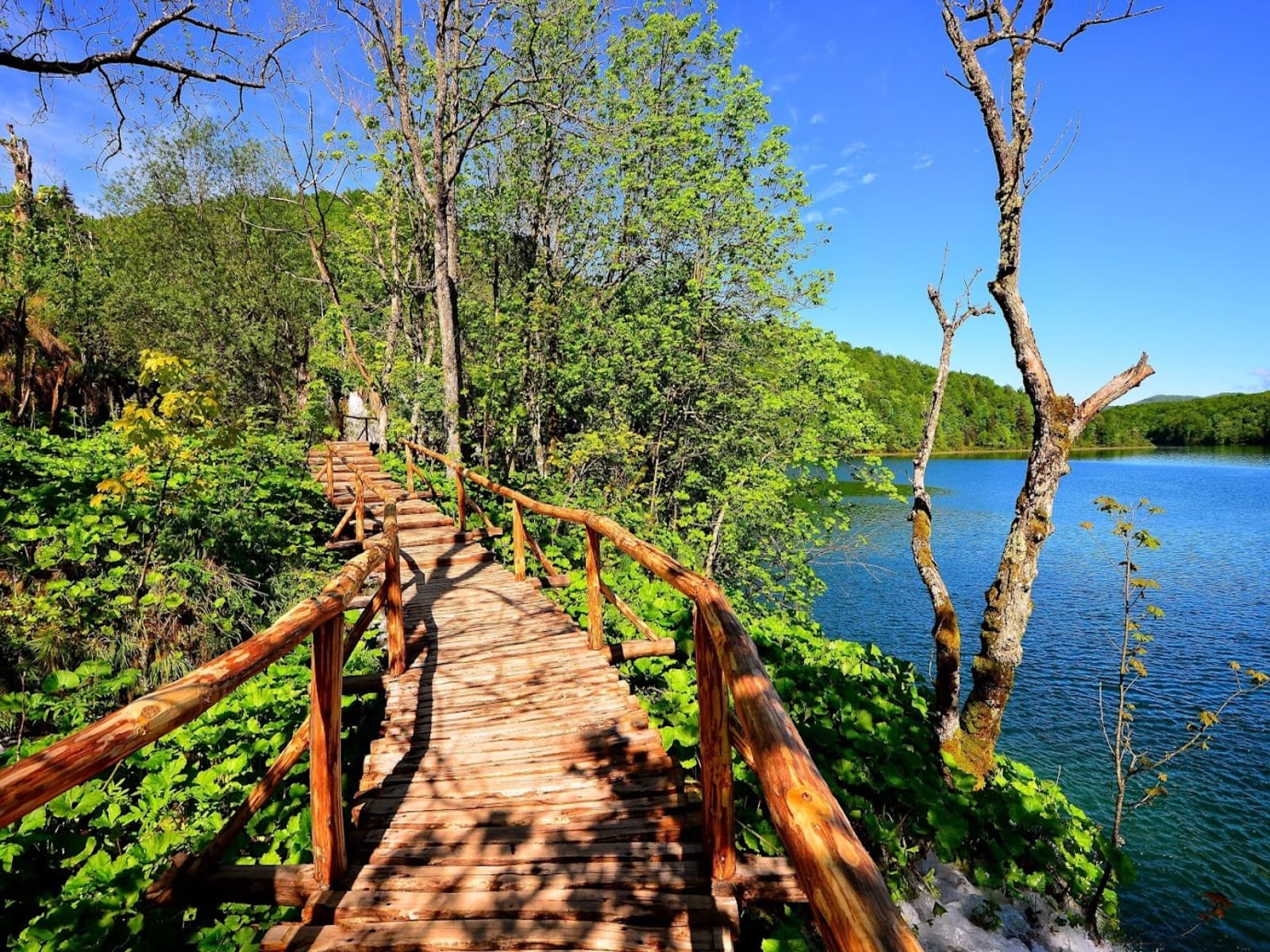
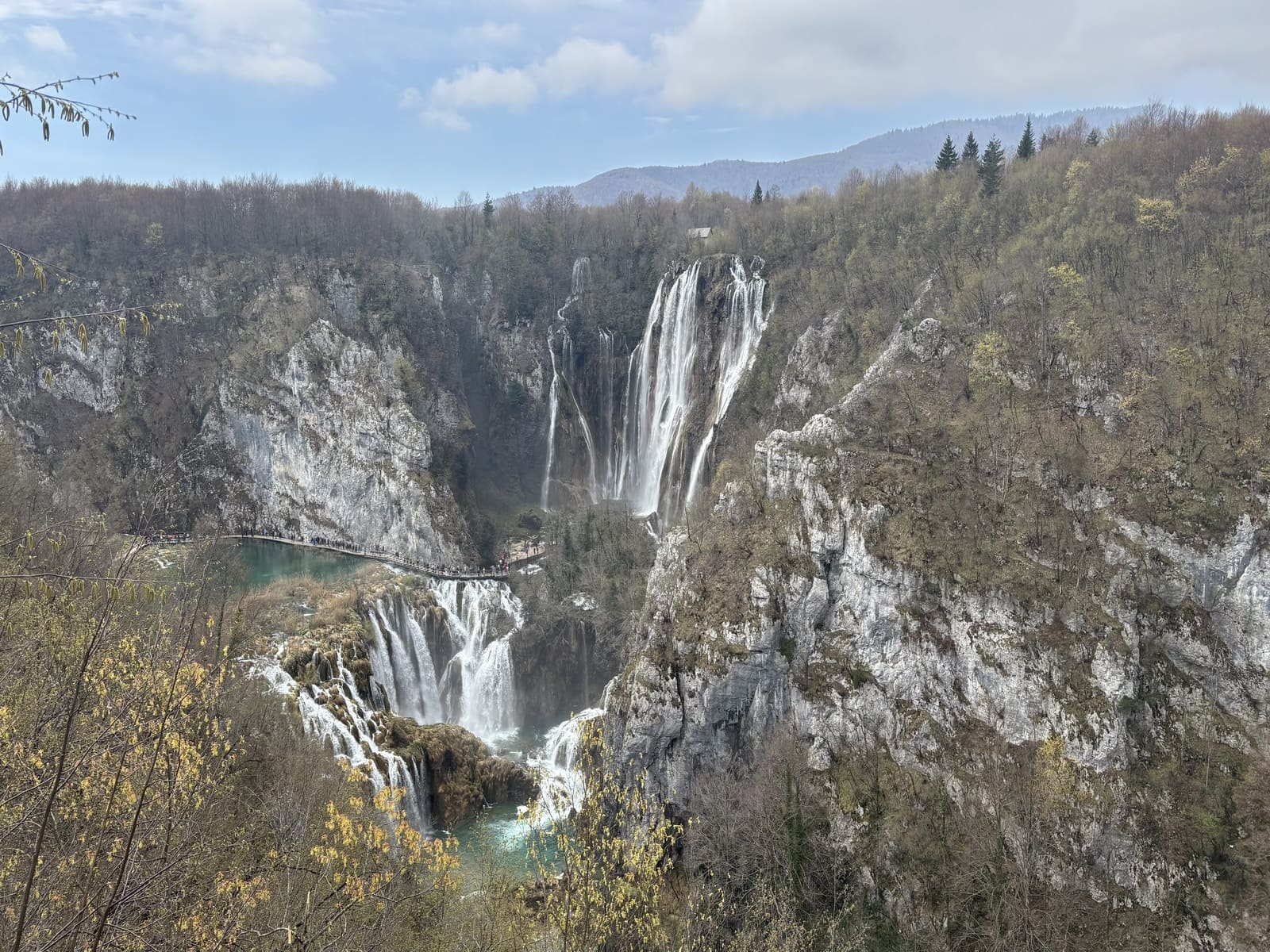
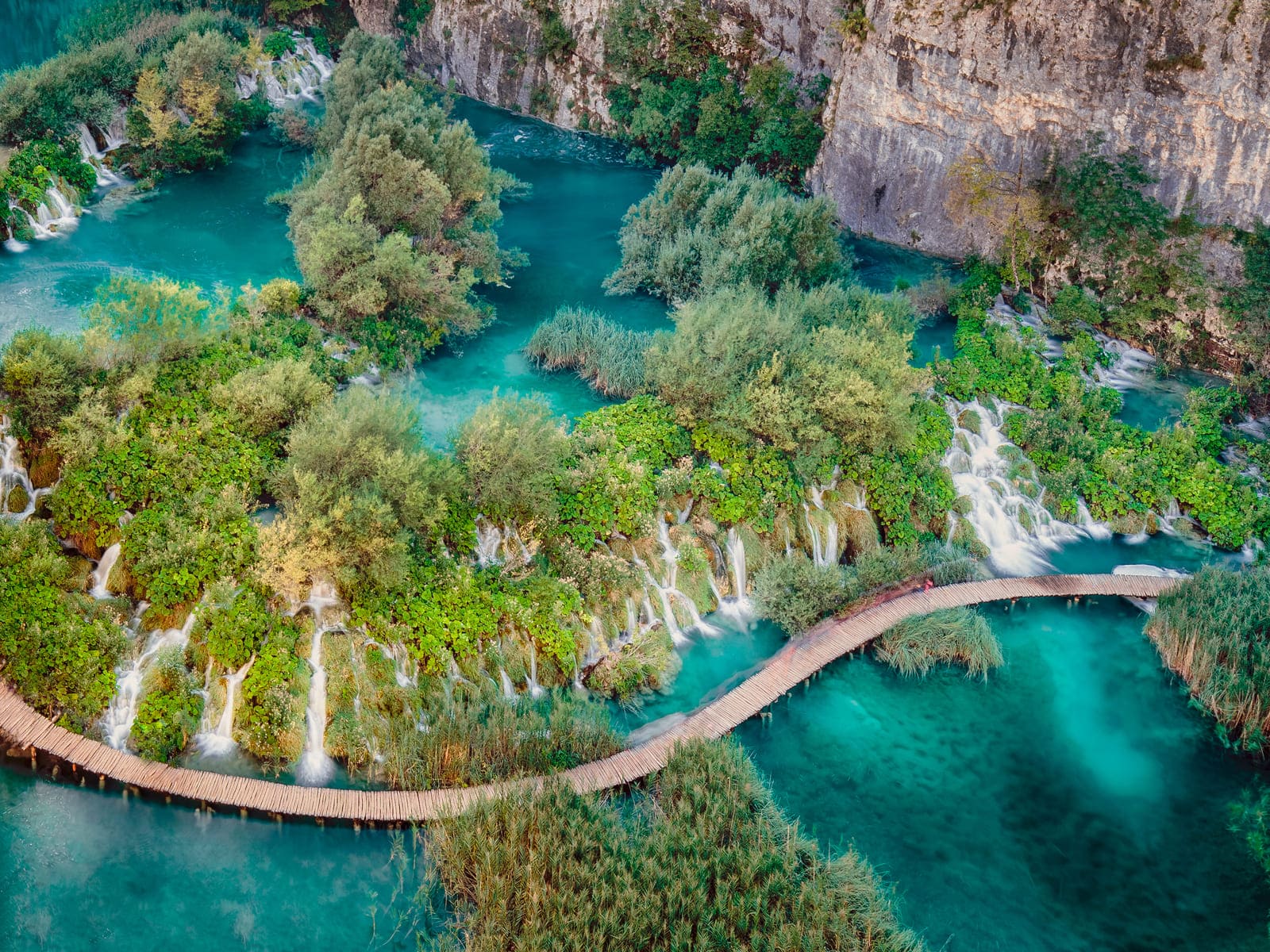
Wooden pathways hover just above the surface, sometimes so close you can see fish moving beneath your steps. Waterfalls appear without warning, beside you, below you, surrounding you. The sound is constant, but never repetitive.
Time behaves differently here.
You do not measure the visit in hours, but in sensations.
When Plitvice Feels Most Like Itself
There is a moment, before the height of summer, when Plitvice is at its most balanced: Spring.
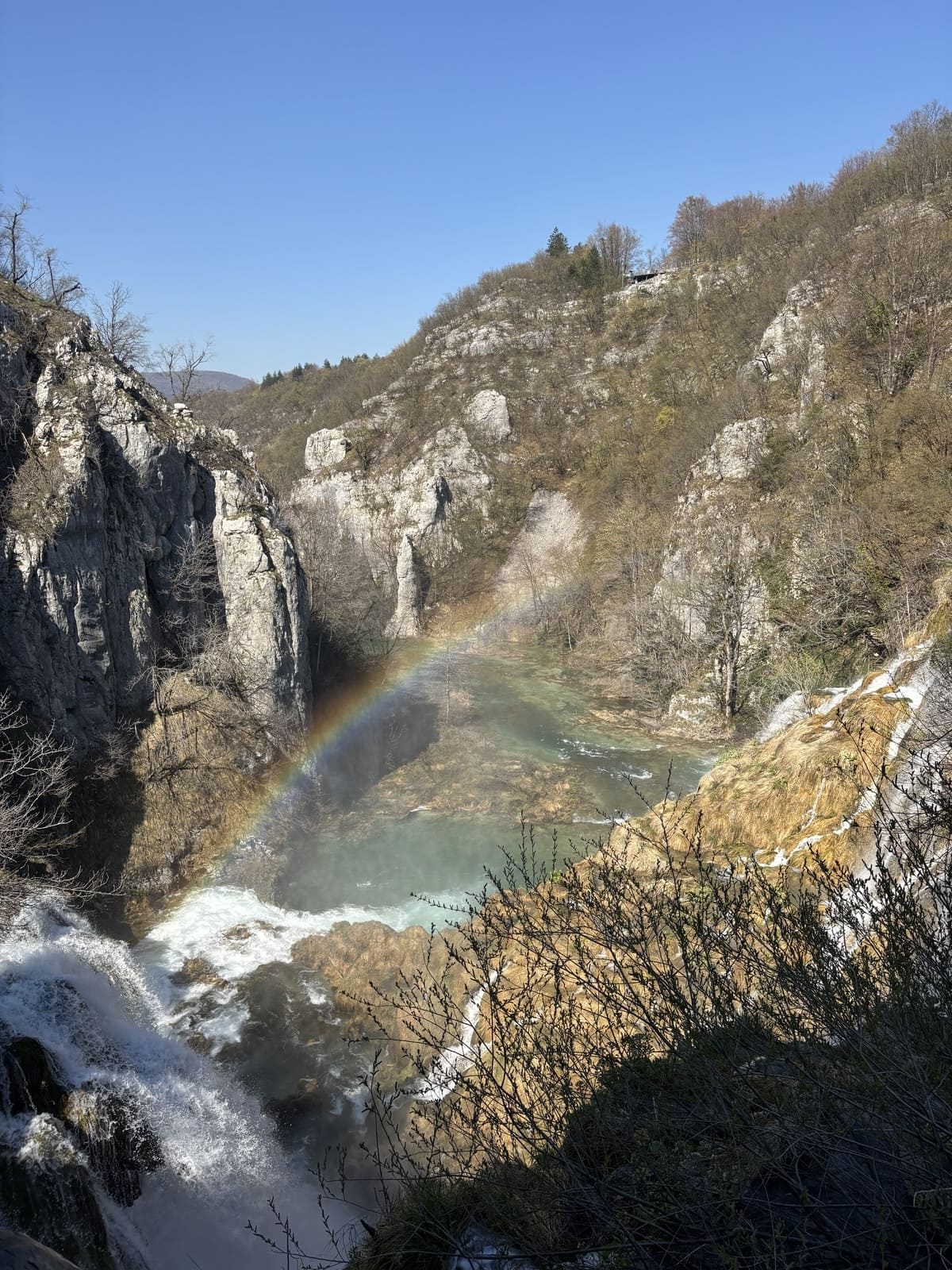
Water levels are high, waterfalls are at their most expressive, and the landscape carries that fresh, almost luminous energy of renewal. The air is crisp, the paths less crowded, the experience more intimate.

It is, in many ways, the ideal time to understand the park, not just see it.
Long after you leave, something remains. Not a single image, but a feeling. The sound of water. The softness of light through trees. The sense that, for a brief moment, you were moving in harmony with something older, slower, and infinitely more patient than yourself.
Croatia’s coastline may capture attention.
But it is places like this, quiet, layered, and deeply alive, that define memory.
A Legacy That Still Echoes Through the Water
What feels untouched at Plitvice is, in fact, carefully protected, and one of its most unexpected guardians was not a scientist or a politician, but an artist.
Milka Trnina, one of Croatia’s most celebrated opera sopranos, played a quietly decisive role in preserving this landscape. At the height of her career, she donated the proceeds of her farewell performance to support the protection of Plitvice Lakes, an act of generosity that helped shape the park as we experience it today.
In gratitude, one of the park’s most beautiful waterfalls now bears her name.
It is a quiet legacy, but one that shapes every step you take.

Beyond the Visit: Designing the Experience
Plitvice rewards curiosity, but it also requires intention.
The park is vast, its rhythms subtle, its best moments often found just beyond the obvious paths. This is where CROATIAN ATTRACTIONS, as a Croatia DMC, transforms a visit into something more refined, curating routes, timing, and experiences that reveal the park’s quieter side, while seamlessly integrating Rastoke, nearby stays, and the wider Lika region into a cohesive journey.
Because here, more than almost anywhere in Croatia, how you experience the place matters as much as the place itself.