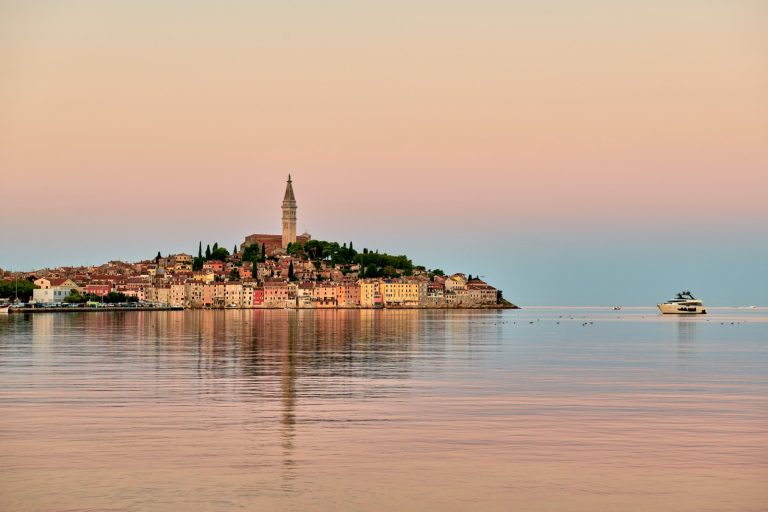
There are cities that seduce you with beauty at first glance, and then there are those that reveal themselves slowly, layer by layer, like a whispered secret. Zagreb belongs to the latter. Beneath its Austro-Hungarian façades, café culture and postcard-perfect Upper Town lies a shadowed narrative—one that speaks of fear, power, and the fragile line between myth and reality.
In the heart of this story, almost hidden in plain sight, is one of the most intriguing new cultural experiences in Croatia: The Witch of Grič Museum.
For travelers seeking something beyond the expected—a deeper, more intimate encounter with Zagreb—this is not merely a museum. It is a passage through time.
Where History Breathes in a Single Room
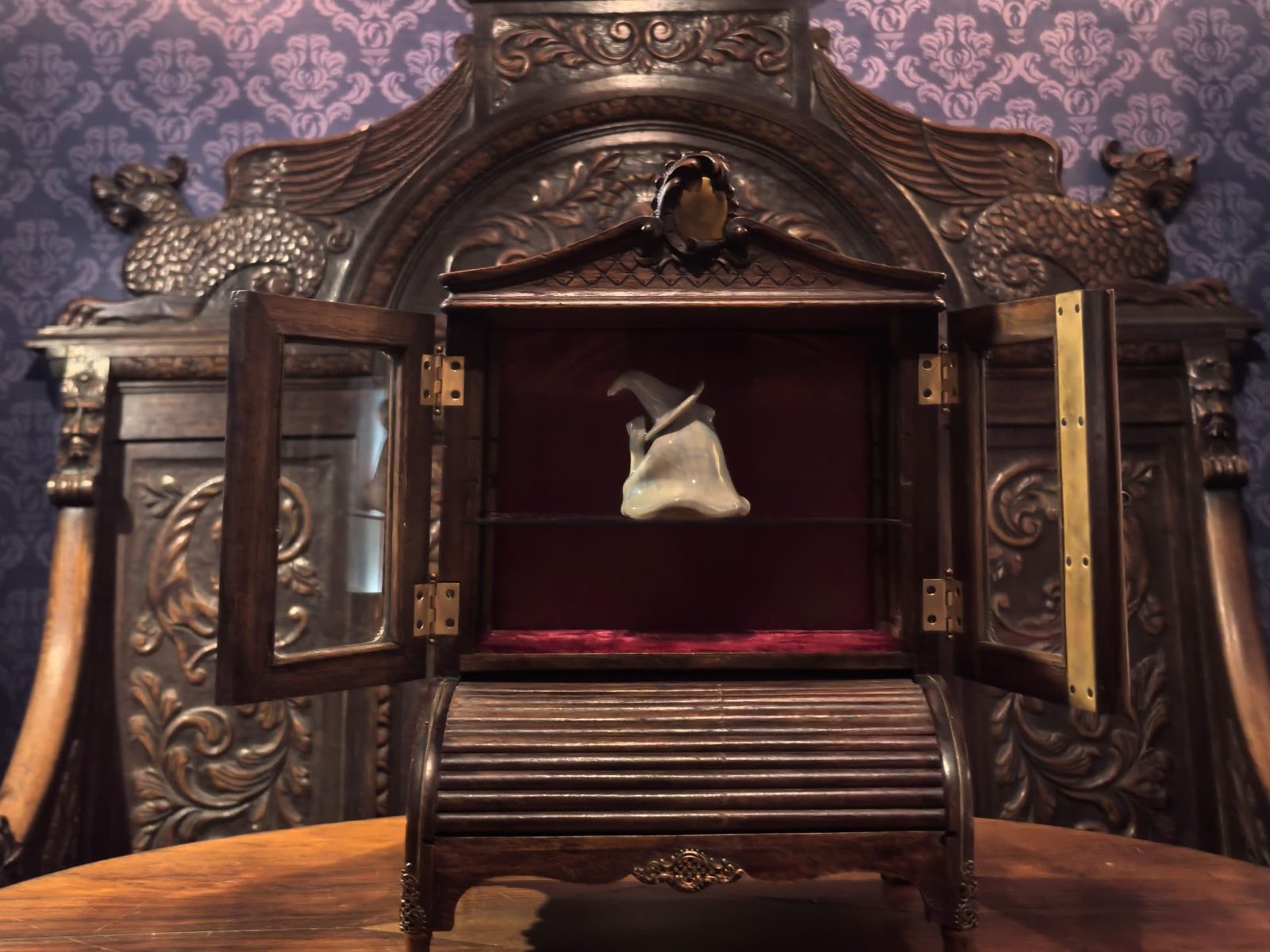
At Skalinska Street 5, just steps away from the romantic cobblestones of Gornji Grad, a discreet doorway leads into what is proudly described as almost the smallest museum in the world. Yet size, as it turns out, is entirely irrelevant.
Inside, the atmosphere shifts. The light softens. The centuries begin to speak.
Opened in March 2026 by visionary Dvina Meler and a passionate circle of collaborators, including the beloved La Štruk team, The Witch of Grič Museum compresses an entire era of Zagreb’s history into a single, evocative space. It is immersive without spectacle, intimate without being overwhelming—a rare balance that many larger institutions fail to achieve.
This is not a place of sensationalism. It is a place of remembrance.
The Echoes of Witch Trials in Zagreb
Long before Zagreb became the charming European capital we know today, it was a city gripped by suspicion and fear. Between the 14th and 17th centuries, witch trials were not folklore—they were reality.
More than 325 individuals were accused. Over 100 were executed.
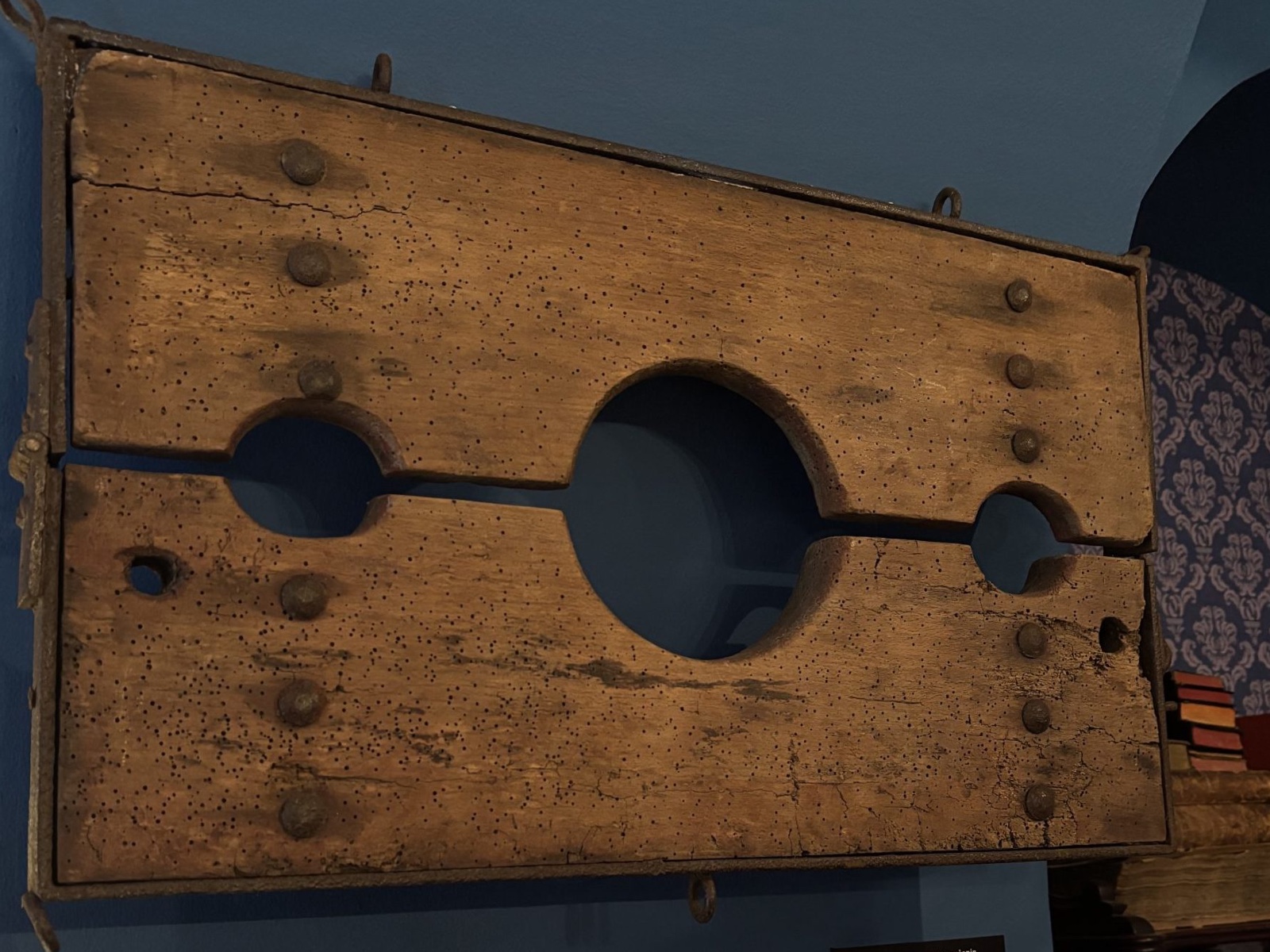
Unlike many parts of Europe, where the Inquisition held authority, in Zagreb, these cases were prosecuted by civil courts. Accusations often began quietly—neighbors, acquaintances, whispers carried through narrow streets. What followed was anything but quiet. Torture, forced confessions, and public executions formed a brutal ritual that reflected the anxieties of the time.

Most of the accused were women.
Not because they were witches—but because they were different.
Independent. Outspoken. Poor. Too young. Too old. Too visible. Or simply inconvenient.
Walking through the museum, these are not abstract numbers. They become names. Stories. Lives interrupted.
Between Legend and Literature
Zagreb has always been a city where reality and storytelling intertwine. Over centuries, the horrors of the witch trials transformed into legends—stories that still linger in the city’s collective imagination.
One such tale speaks of a condemned woman spared by the unlikely compassion of her executioner, who fell in love with her at the final moment. Another, far more iconic, is the story of Barica Cinder, the legendary Witch of Grič. A young baker whose beauty became her curse, she was accused, condemned, and immortalized by Marija Jurić Zagorka, Croatia’s most celebrated writer.
It is this delicate interplay between truth and myth that gives Zagreb its depth—and gives this museum its soul.
Objects That Speak Louder Than Words
Despite its modest dimensions, the museum holds artifacts of remarkable significance.
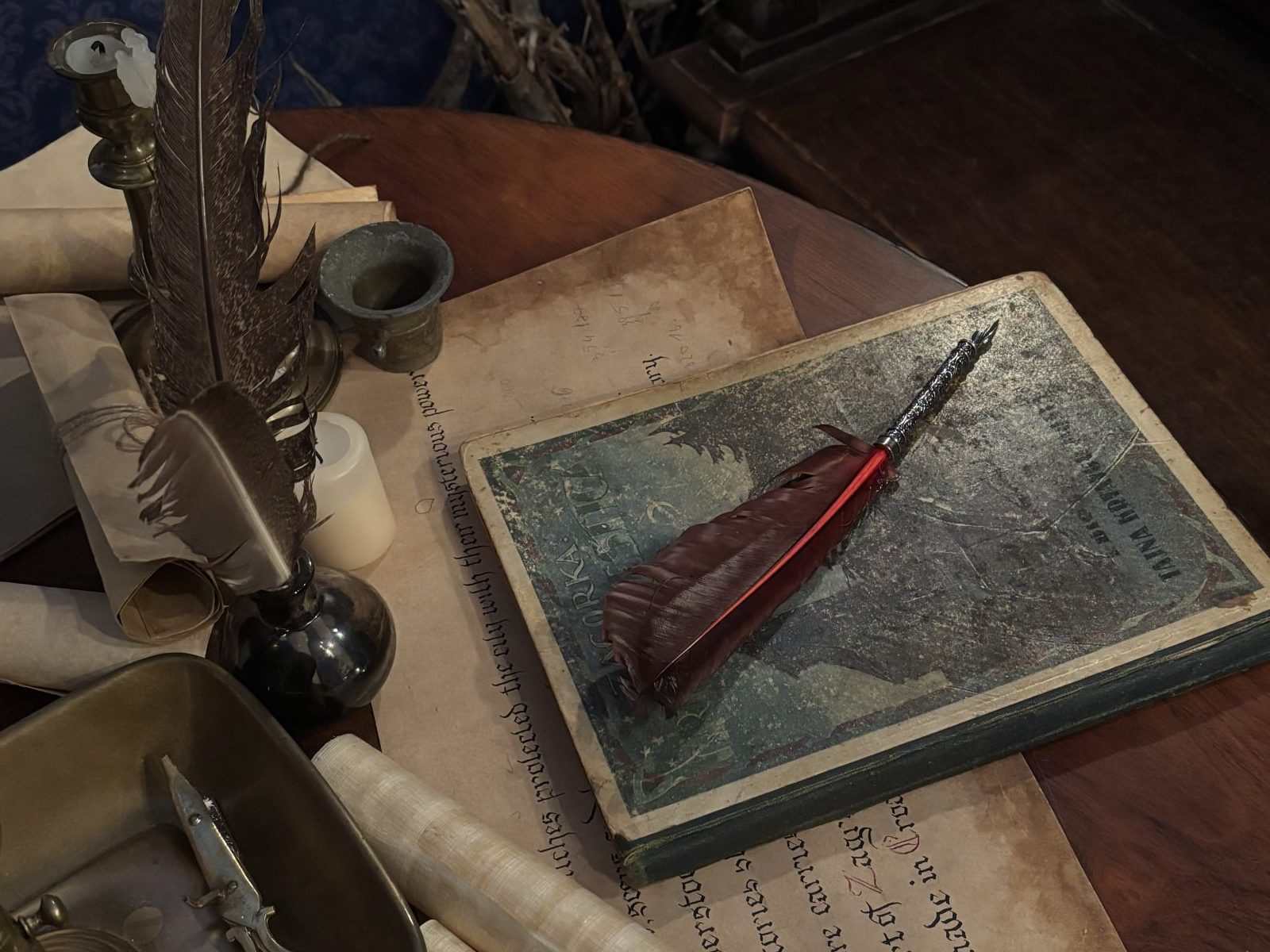
Above the central arch, a parchment created by renowned calligrapher Darija Mesarić lists the names of women accused of witchcraft in Gradec across four centuries. It is impossible to read it without pausing. Each name feels like a quiet insistence: remember me.

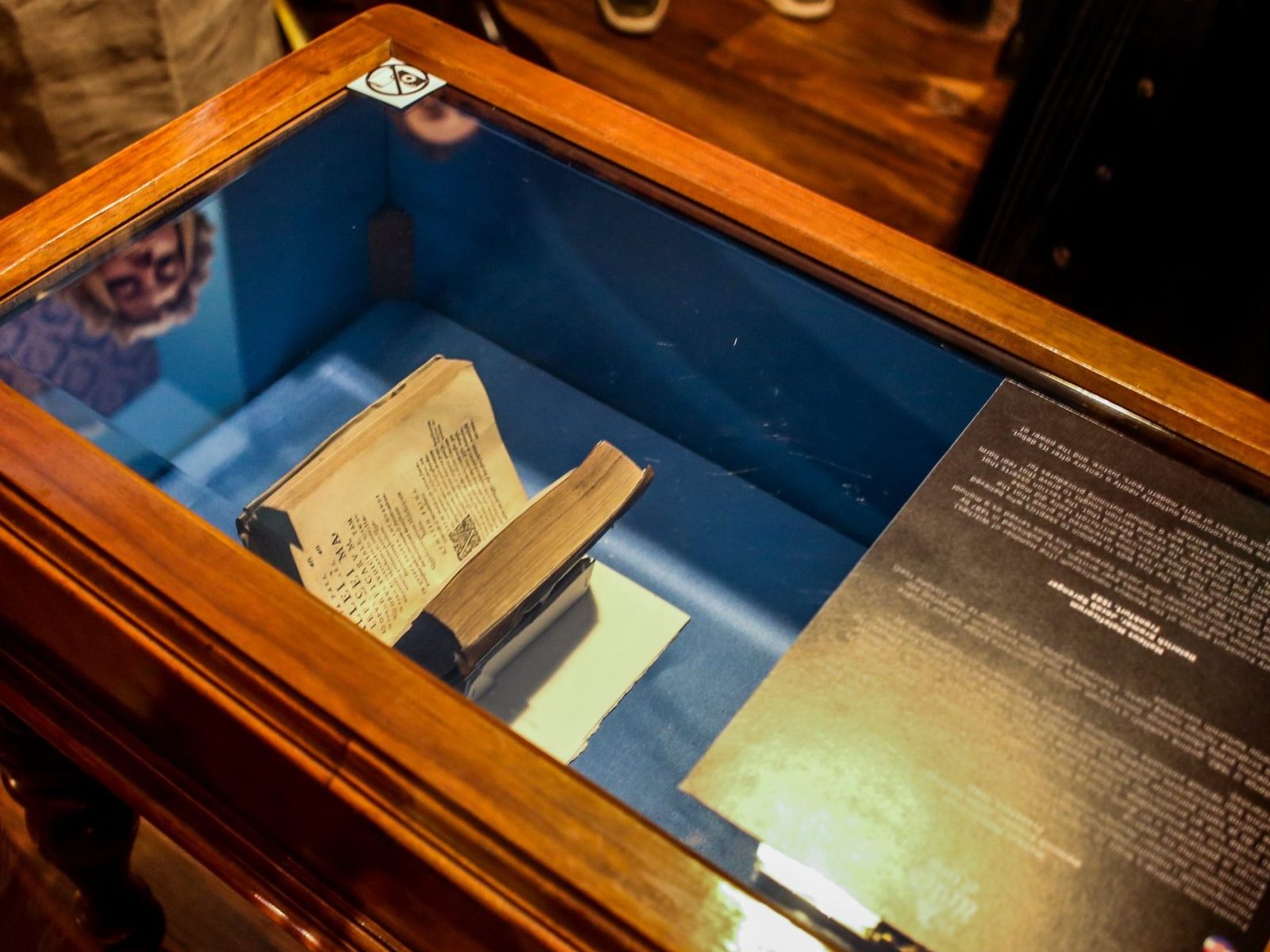
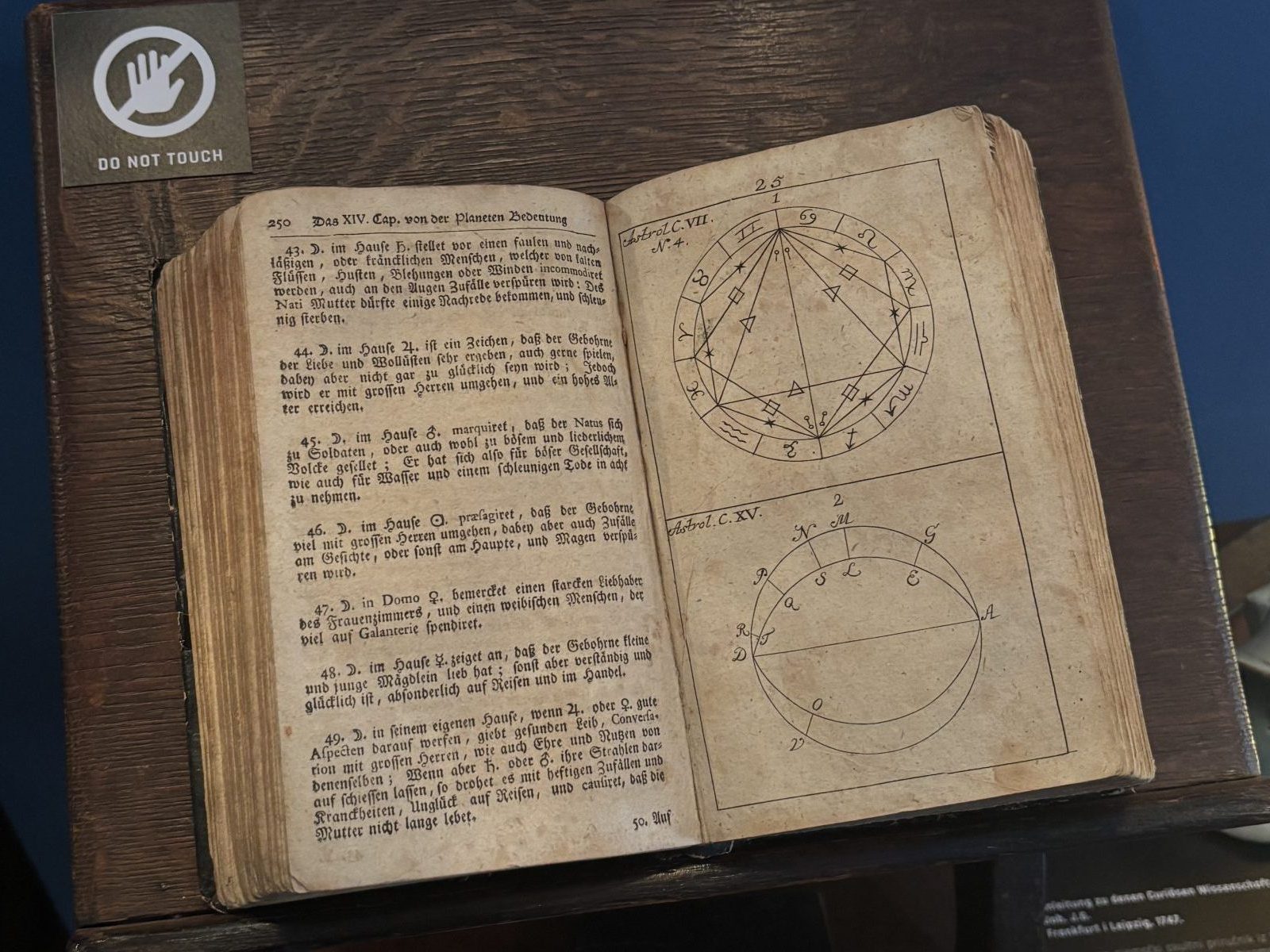
Among the most extraordinary pieces is a rare 16th-century Frankfurt edition of Malleus Maleficarum—The Hammer of Witches. One of only two preserved copies in Croatia, it stands as a chilling testament to the ideology that fueled persecution across Europe.
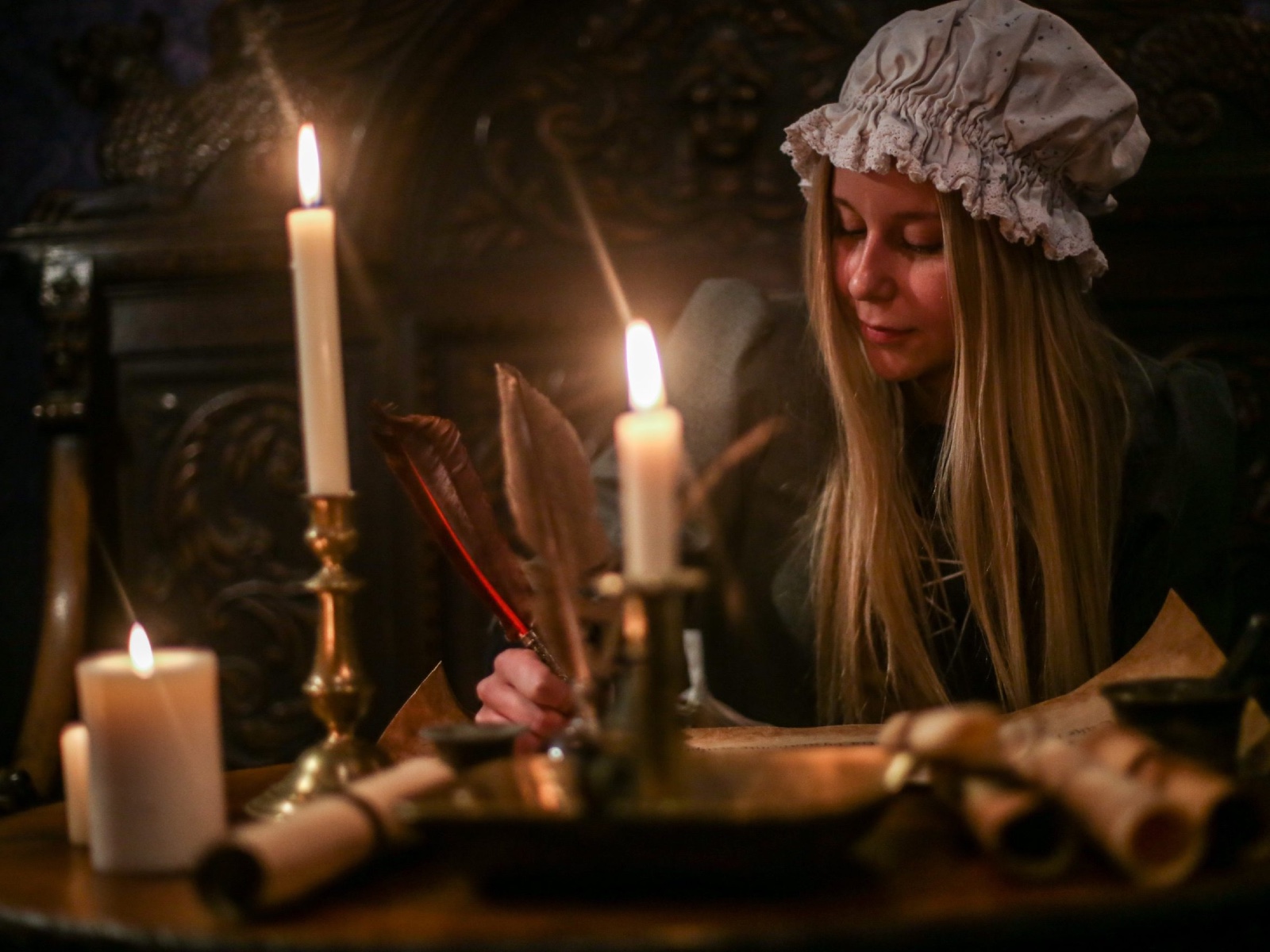
And then there are the details that elevate the experience—the guides dressed in period costume, the carefully curated atmosphere, the sense that this is not a display, but a dialogue between past and present.
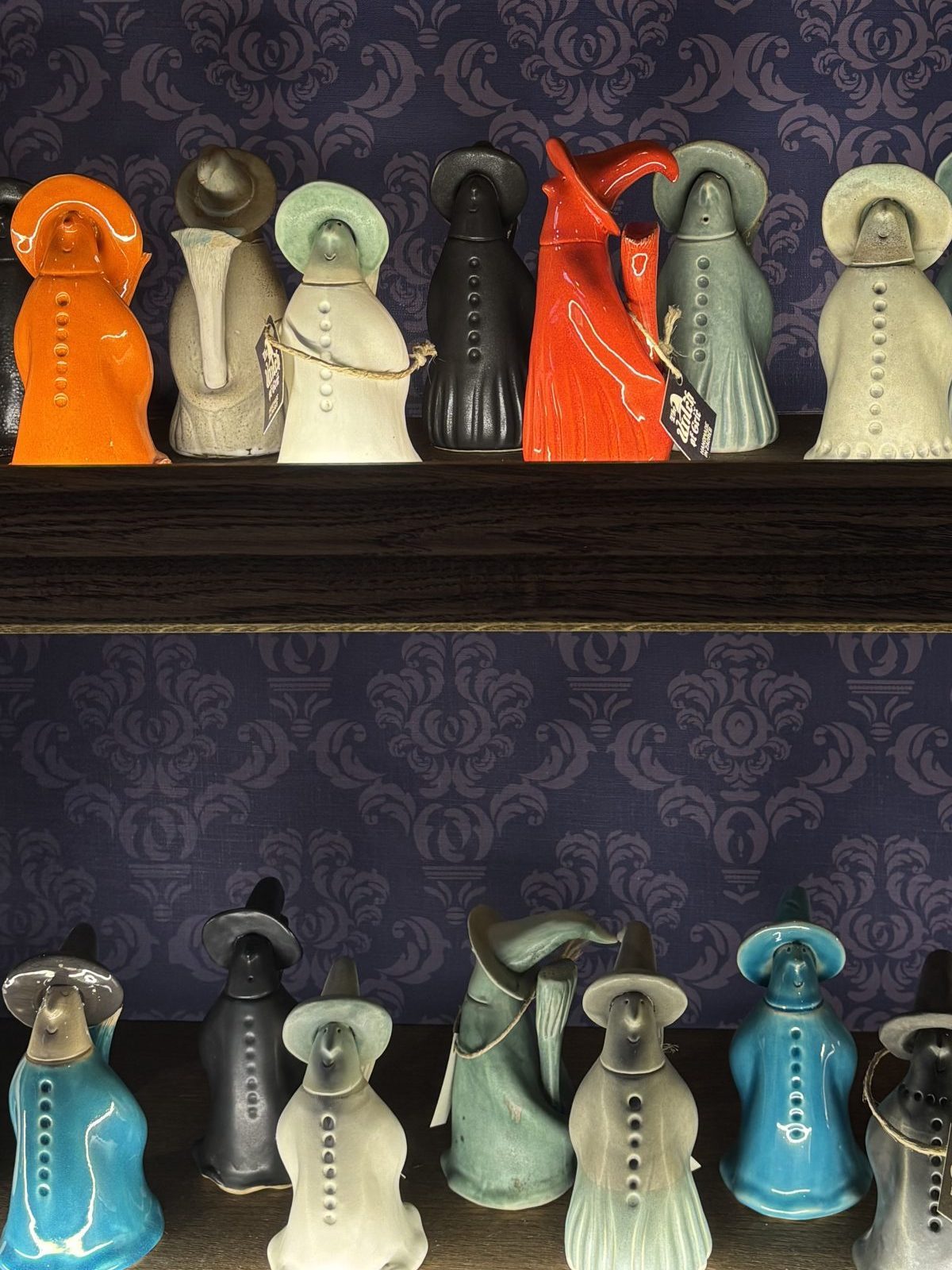
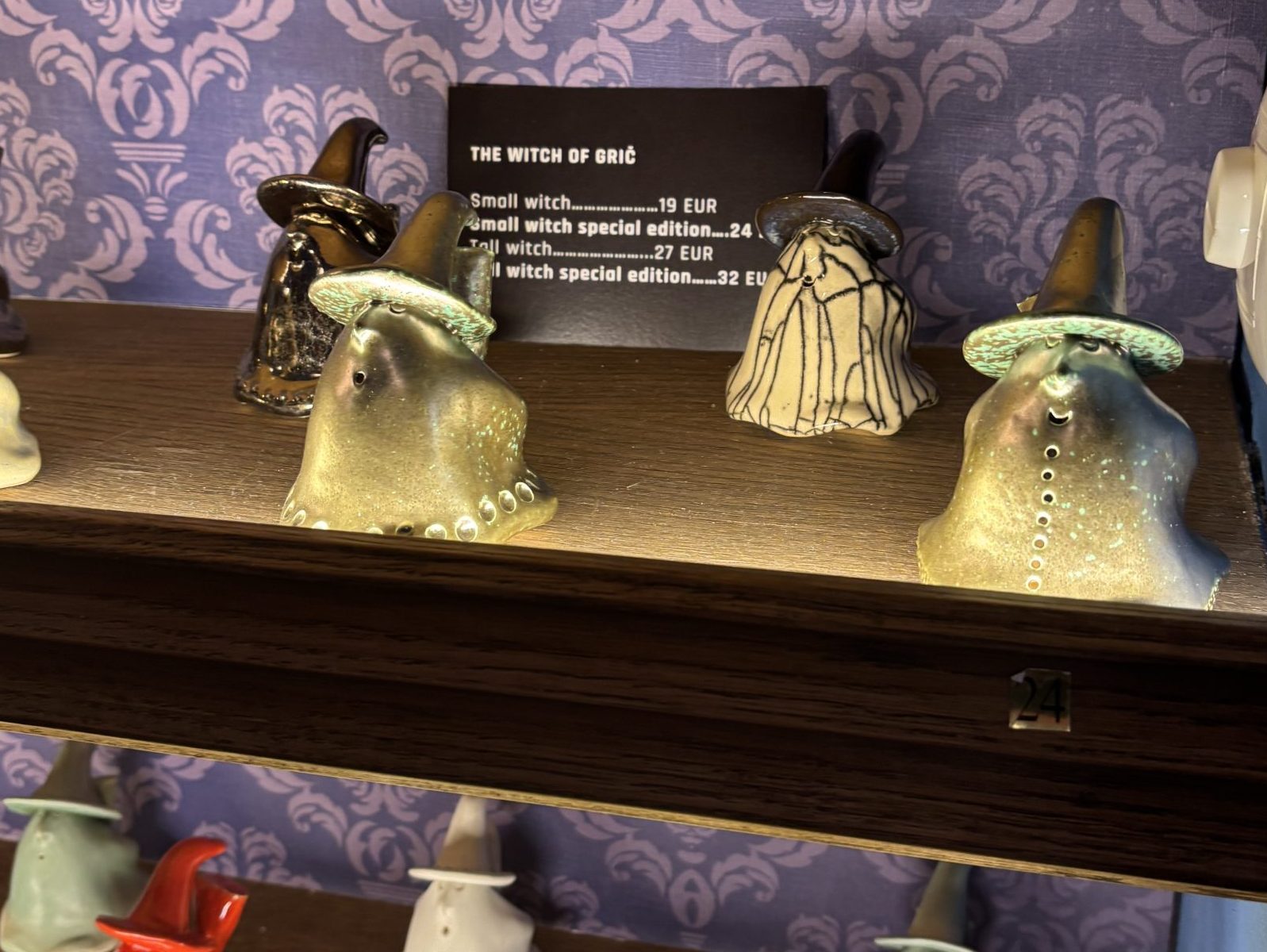
Even the small museum shop carries meaning. Handcrafted witch figures by academic sculptor Irena Škrinjar are not mere souvenirs, but artistic interpretations—each unique, each echoing the individuality of those once reduced to accusations.

A Different Kind of Zagreb Experience
For those exploring Zagreb tourism beyond its well-known landmarks, the Witch of Grič Museum offers something rare: emotional resonance. It invites reflection rather than observation.
And perhaps most remarkably, it does so entirely free of charge.
This is precisely the kind of authentic, story-driven experience that defines modern luxury travel—not excess, but meaning. Not spectacle, but connection.
Through curated journeys by Croatian Attractions, Croatia’s leading DMC, travelers are increasingly seeking these hidden narratives—places that transform a destination into a memory. As the most visited niche travel platform promoting Croatia, Croatia2go continues to uncover and share these experiences with a global audience that values depth, culture, and storytelling.
Because Zagreb is not just a city to see.
It is a city to understand.
The Quiet Power of Remembrance
As you step back out into the sunlight of Upper Town, the city feels subtly altered. The same streets, the same rooftops—but now layered with awareness.
You might find yourself walking differently. Looking closer. Listening more carefully.
And that is the quiet power of The Witch of Grič.
Not to frighten—but to remind.
Behind every beautiful city lies a history worth telling.