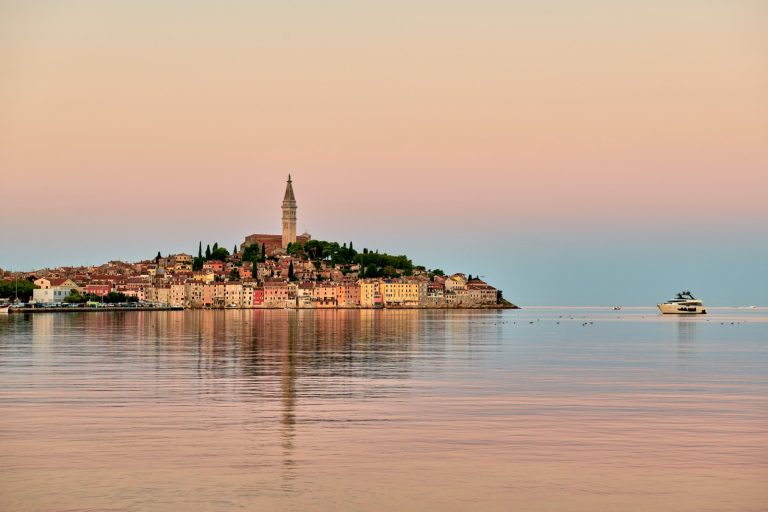
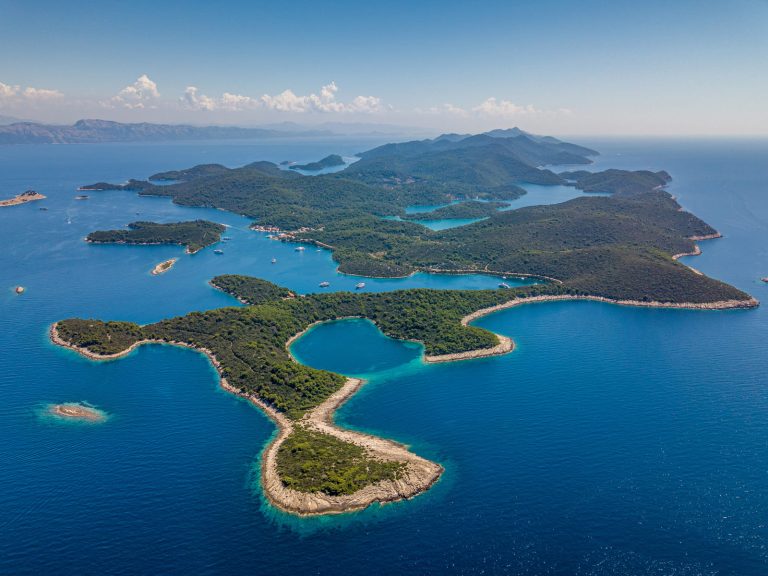
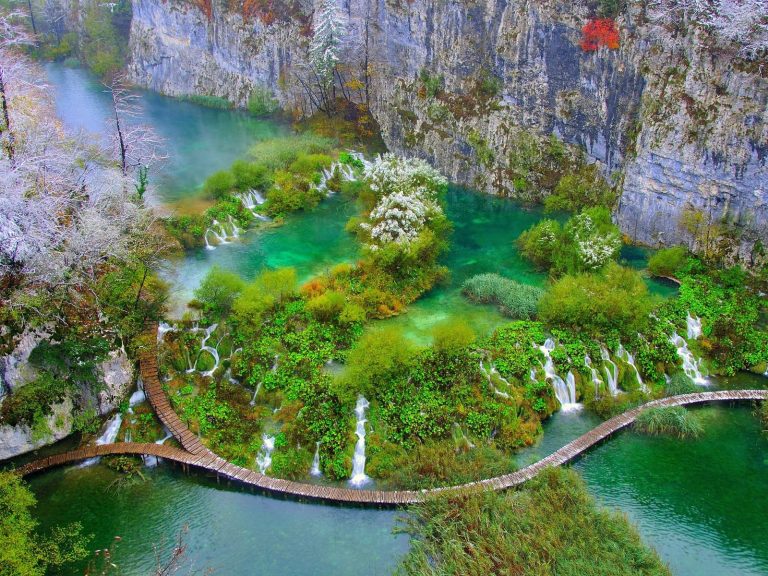
Some journeys begin with a ship leaving harbour. Others begin with a story held inside stone walls, sea wind, and the memory of an island.
Marco Polo belongs to both. To world history, he is the great medieval traveller whose accounts opened Europe’s imagination to the East. To Korčula, he is something more intimate: a figure woven into local tradition, connected to the island’s old town, where a house long associated with his name still stands among narrow lanes and weathered stone.
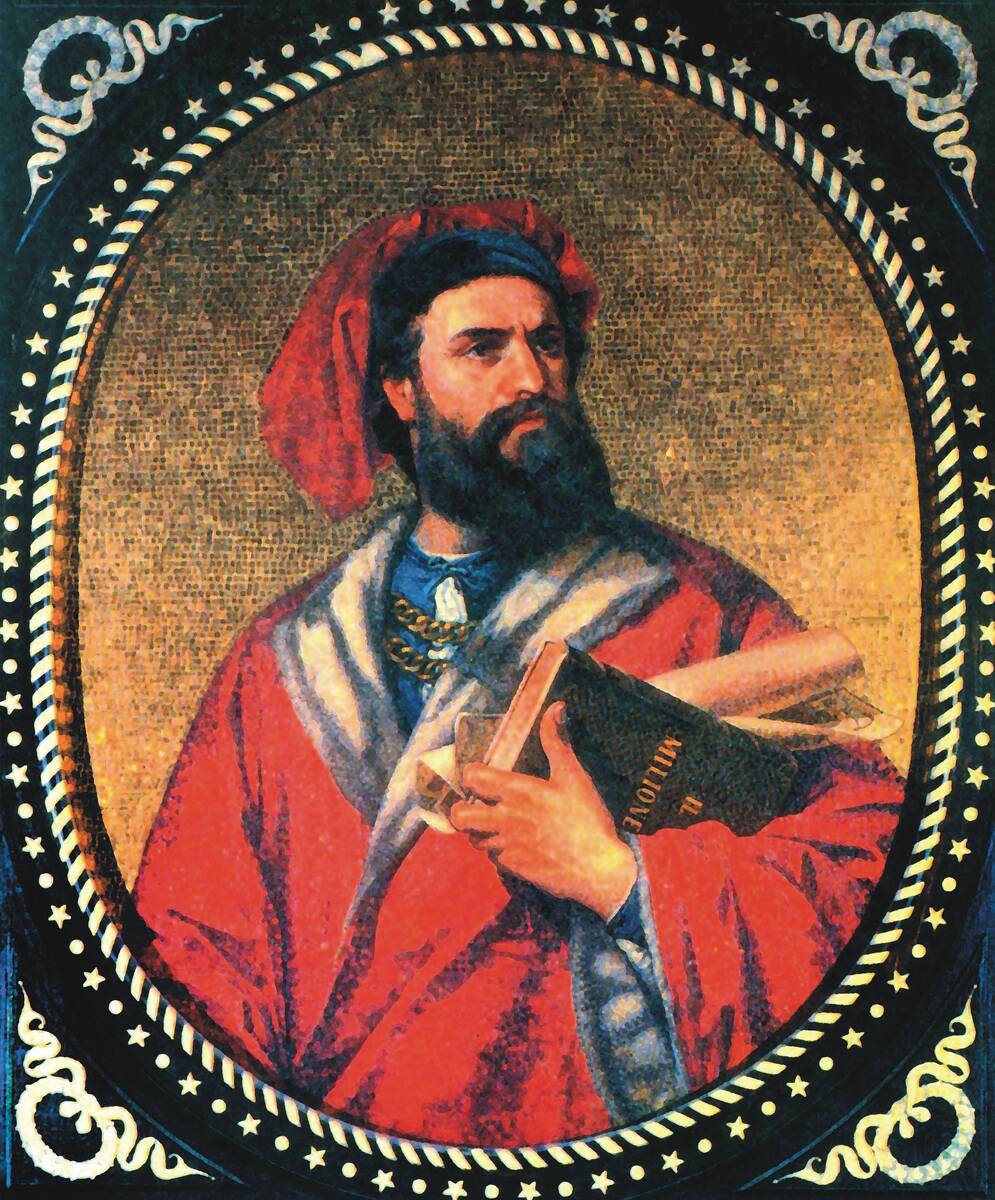
The claim that Marco Polo was born on Korčula remains a matter of debate, and that distinction is important. Yet travel is not shaped only by certainty. It is also shaped by the stories places preserve, the legends they carry, and the atmosphere that makes those stories feel possible. On Korčula, where the Adriatic has always been a corridor of sailors, merchants, languages, and empires, the idea of Marco Polo feels less like an invention than an echo.
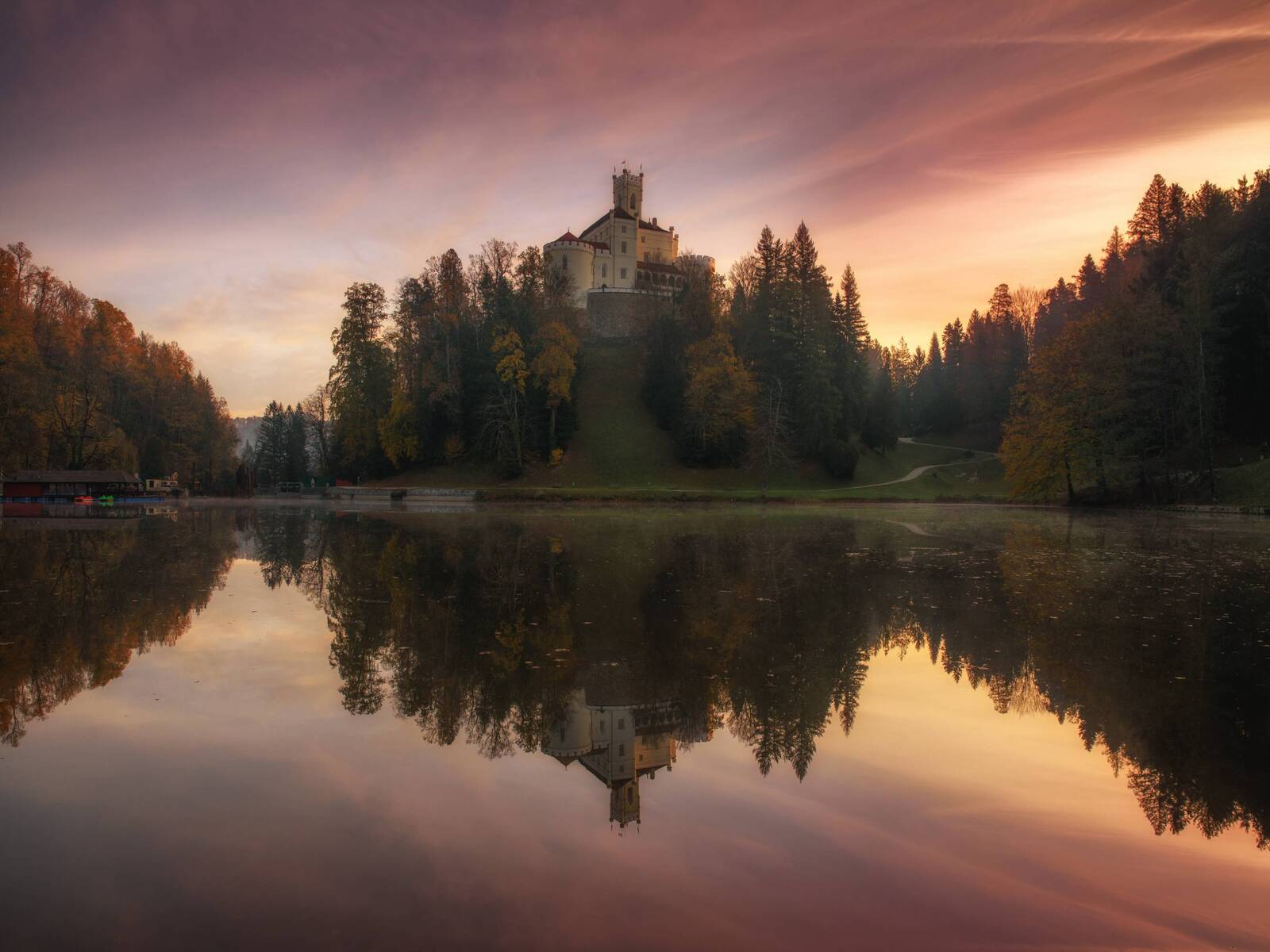
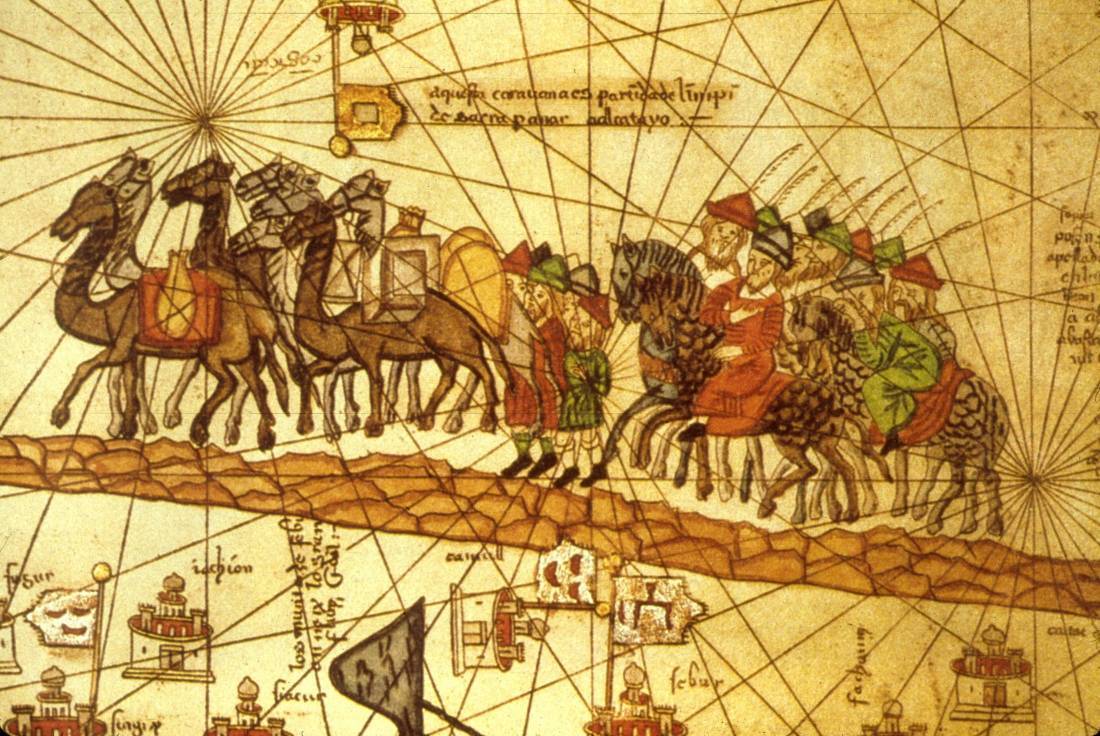
Now, that echo travels inland. At Trakošćan Castle, one of Croatia’s most romantic cultural landmarks, the exhibition A Wondrous Journey to the East invites visitors to follow the symbolic path from the Adriatic world toward the Silk Road, from medieval Europe toward Asia, and from local legend toward global cultural exchange.
From Korčula’s Adriatic Legend to the Silk Road’s Eastern Horizons
There is something irresistibly poetic about placing the beginning of Marco Polo’s story on the Croatian coast. Korčula feels made for such a legend: fortified, sea-facing, elegant in its restraint, and shaped by centuries of movement across the Adriatic.
Its old town does not need to insist too loudly. It suggests. Narrow streets open toward glimpses of blue water. Stone houses hold the silence of long histories. The island’s seafaring identity makes the Marco Polo tradition feel emotionally convincing, even where historical certainty remains elusive.
This is where the story gains its Croatian depth. The Adriatic was never a closed sea. It was a route of exchange, ambition, risk, and return. Goods moved across it. Families built fortunes through it. Ideas travelled with sailors, merchants, diplomats, and adventurers. In that world, identity was rarely simple. It belonged to ports, republics, islands, languages, and empires all at once.
That is why the Korčula connection matters, even when handled carefully. It gives Marco Polo’s story a sense of atmosphere before it becomes legend. Before the great journey to Asia, before the descriptions of imperial cities and distant courts, there is the possibility of an Adriatic beginning: salt, stone, ships, and the restlessness of the sea.
A Castle Exhibition Where Croatia, China, and the Silk Road Meet
At Trakošćan Castle, the story widens beautifully.
The exhibition does not present Marco Polo merely as a traveller moving from one place to another. It presents him as a symbol of connection between worlds. His legacy becomes a lens through which visitors can explore the Silk Road, not simply as a trade route, but as one of history’s great cultural conversations.
For centuries, the Silk Road carried far more than silk. It carried objects, beliefs, techniques, inventions, artistic forms, and ways of seeing the world. It connected imperial courts with merchant cities, deserts with ports, East with West. Through Marco Polo’s accounts, European readers encountered places that seemed astonishingly sophisticated: cities of scale and wealth, systems of administration, commercial networks, refined craftsmanship, and cultures far beyond the limits of their own experience.
The exhibition unfolds through three carefully shaped chapters. The first introduces Marco Polo’s legacy as it is preserved today, including the connection with Yangzhou and the Marco Polo Memorial Hall. This gives the story a contemporary dimension, showing how one medieval traveller continues to inspire cultural dialogue between China and Europe.
The second chapter returns to the 13th century, following the world of Marco Polo’s travels eastward. It evokes the grandeur of cities such as Hangzhou, the complexity of the Mongol Empire, and the sense of astonishment that shaped European perceptions of Asia. Here, exploration becomes more than movement. It becomes attention: the act of observing another civilization closely enough to be changed by it.
The third chapter turns to silk, one of the most powerful and beautiful symbols of exchange along the Silk Road. Through textiles, patterns, techniques, and decorative motifs, visitors encounter craftsmanship as a form of cultural memory. Brocade, damask, and refined silk traditions reveal how beauty itself can travel across continents, adapting as it moves from one world to another.
Why Trakošćan Castle Is Croatia’s Most Unexpected Gateway to the East
The setting gives the exhibition its quiet magic.
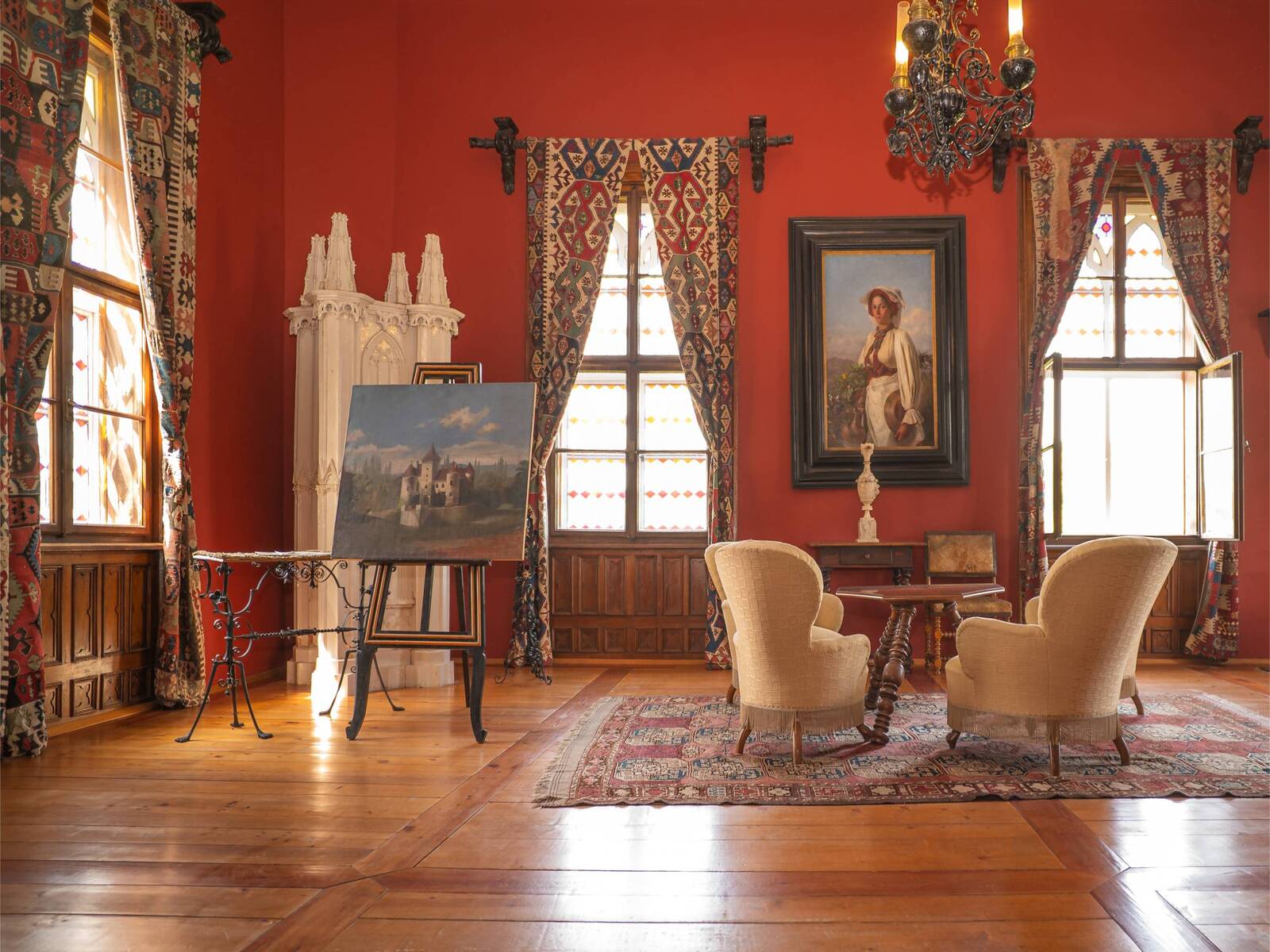
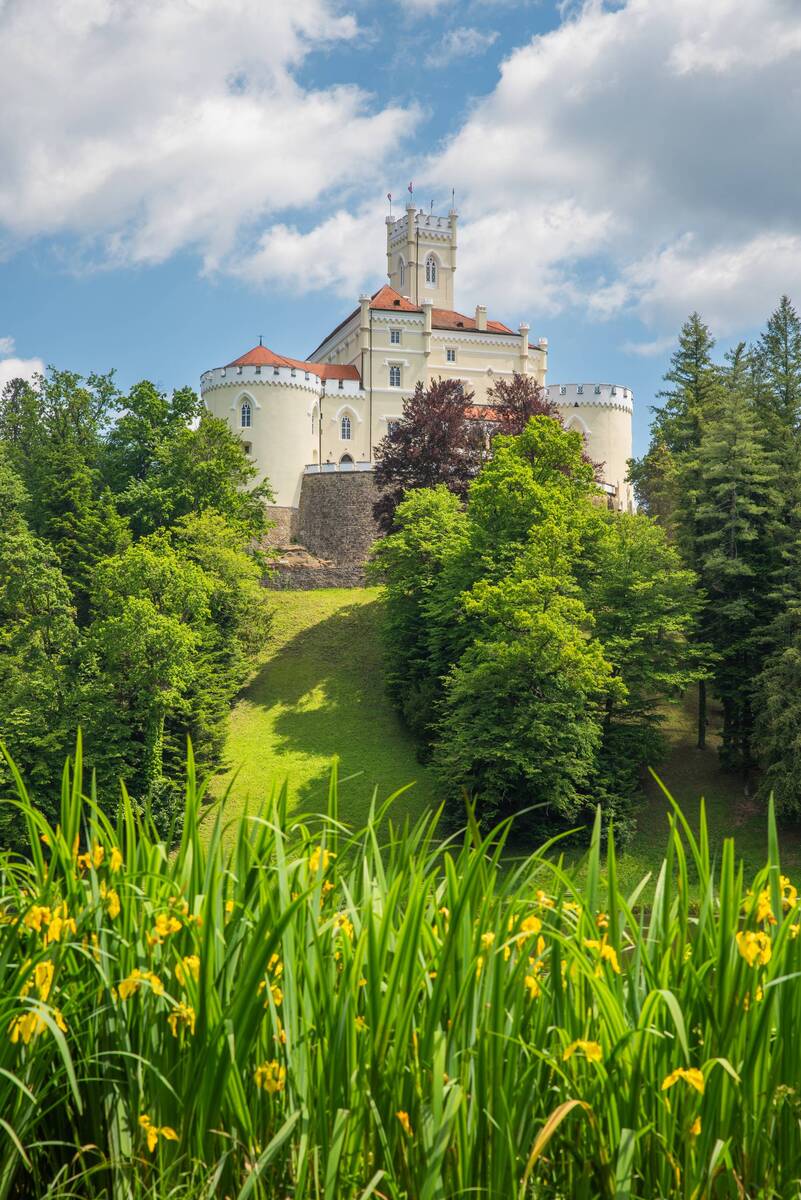
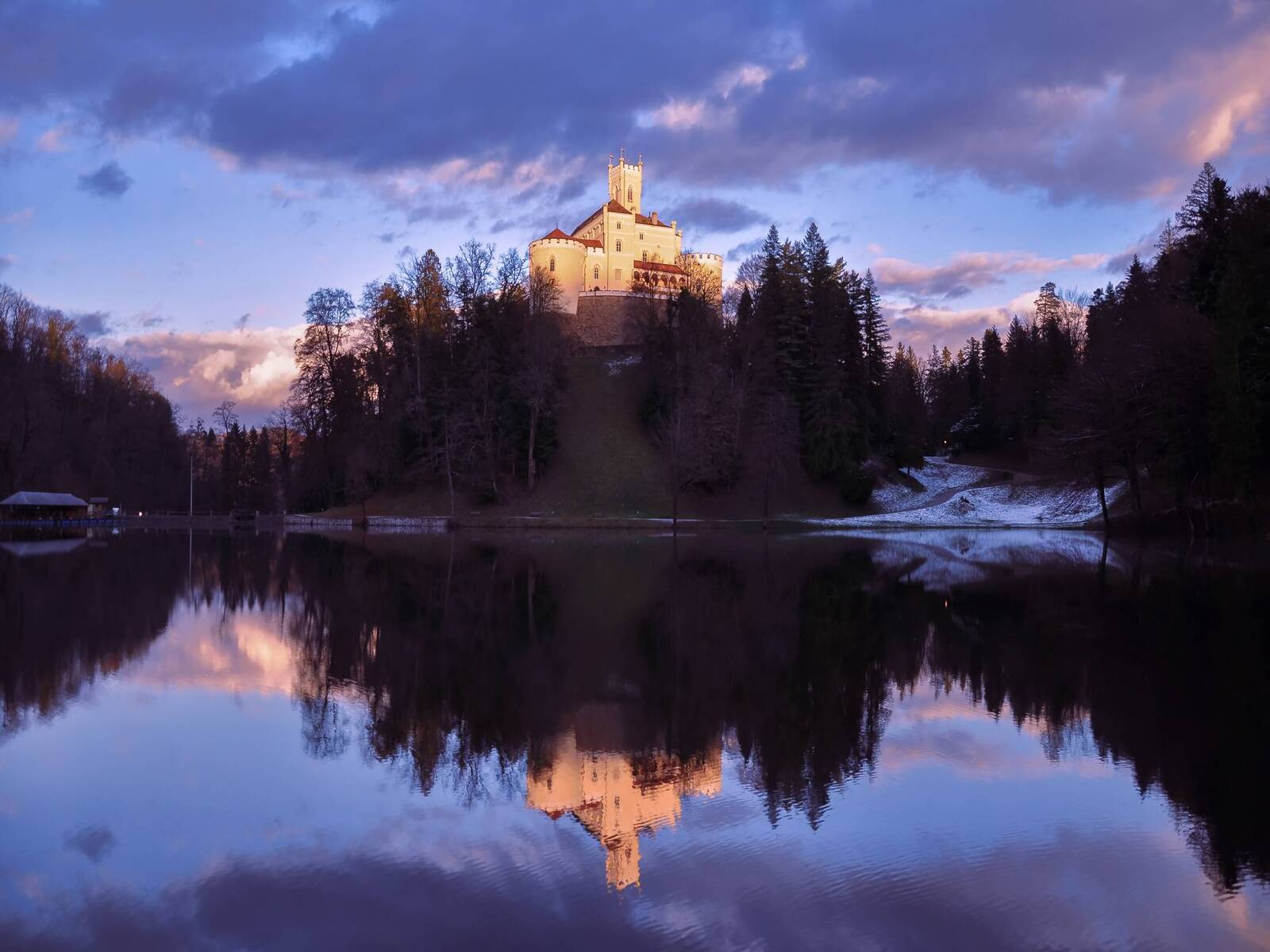
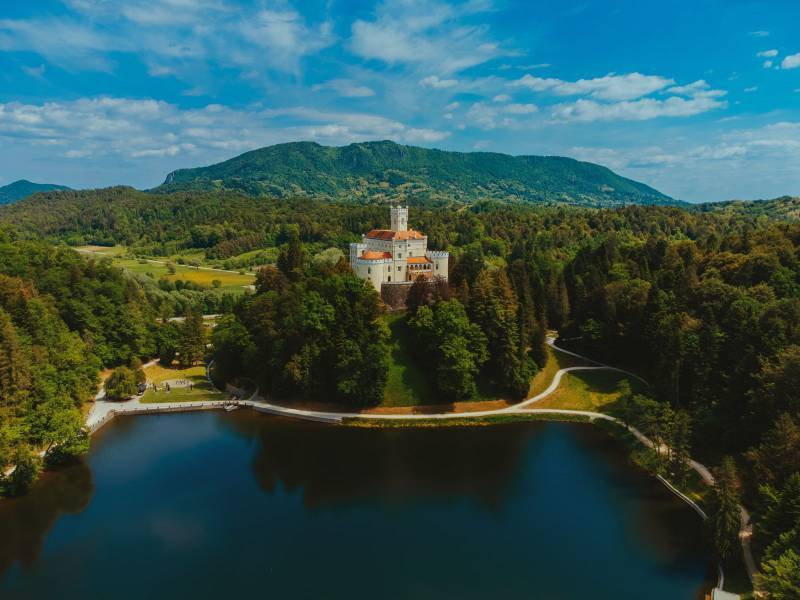
Trakošćan Castle, with its towers, lake, forest, and romantic northern Croatian landscape, may seem at first like an unexpected place to enter the world of Marco Polo and the Silk Road. Yet that contrast is precisely what makes the experience memorable. A Croatian castle becomes a gateway to the East. A noble European residence becomes a stage for stories of China, trade, exploration, and cultural encounter.
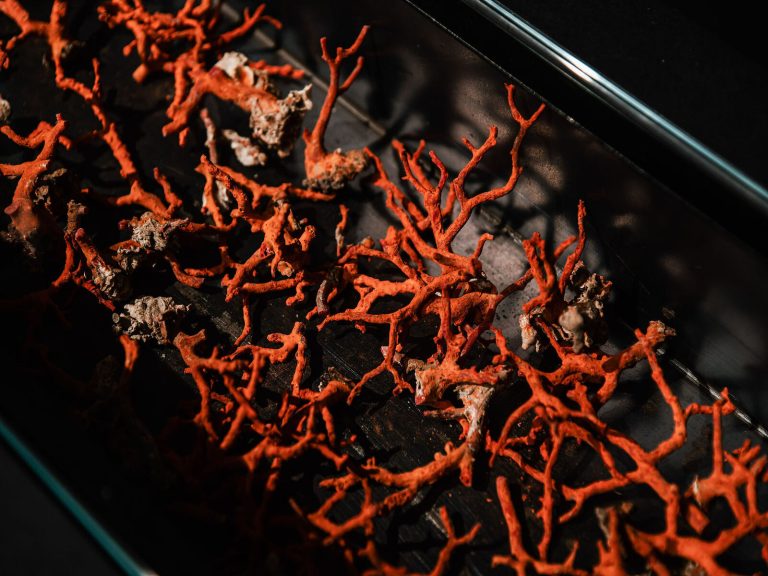
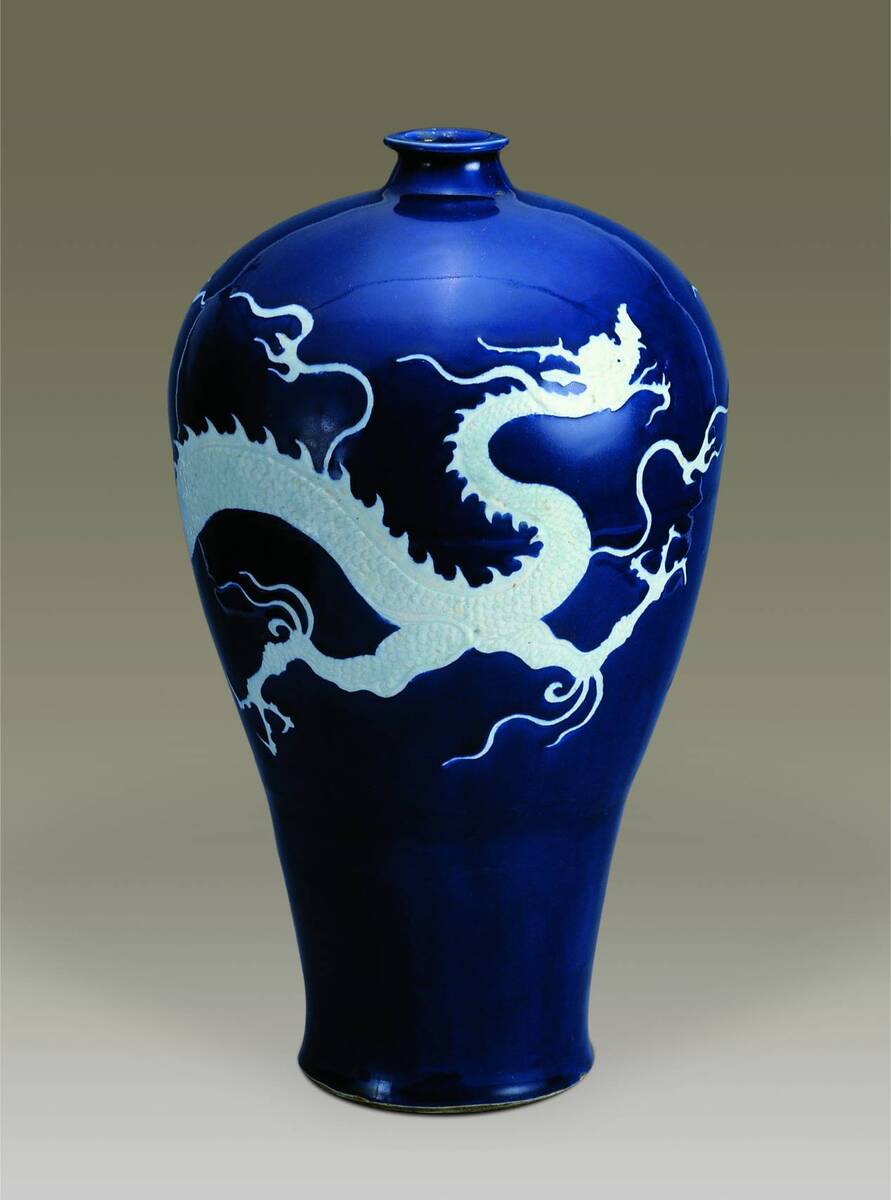
The exhibition is designed not only to be seen, but experienced. Carefully selected objects and detailed replicas bring the spirit of the period closer to the visitor. Among the most striking pieces is a Meiping vase from the Yuan dynasty, adorned with a dragon motif — an object that speaks of imperial symbolism, artistic refinement, and the visual language of power.
Interactive elements give the journey a more tactile quality. Visitors can encounter ancient Chinese coins, discover traditional techniques, and feel the textures of silk. This is where the exhibition becomes especially engaging: it moves beyond display and invites participation. The past is no longer distant. It becomes something to touch, examine, and imagine.
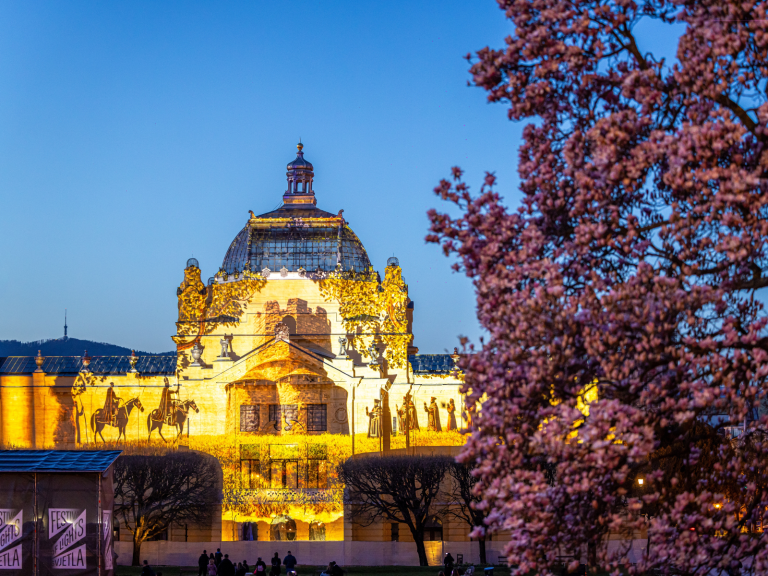
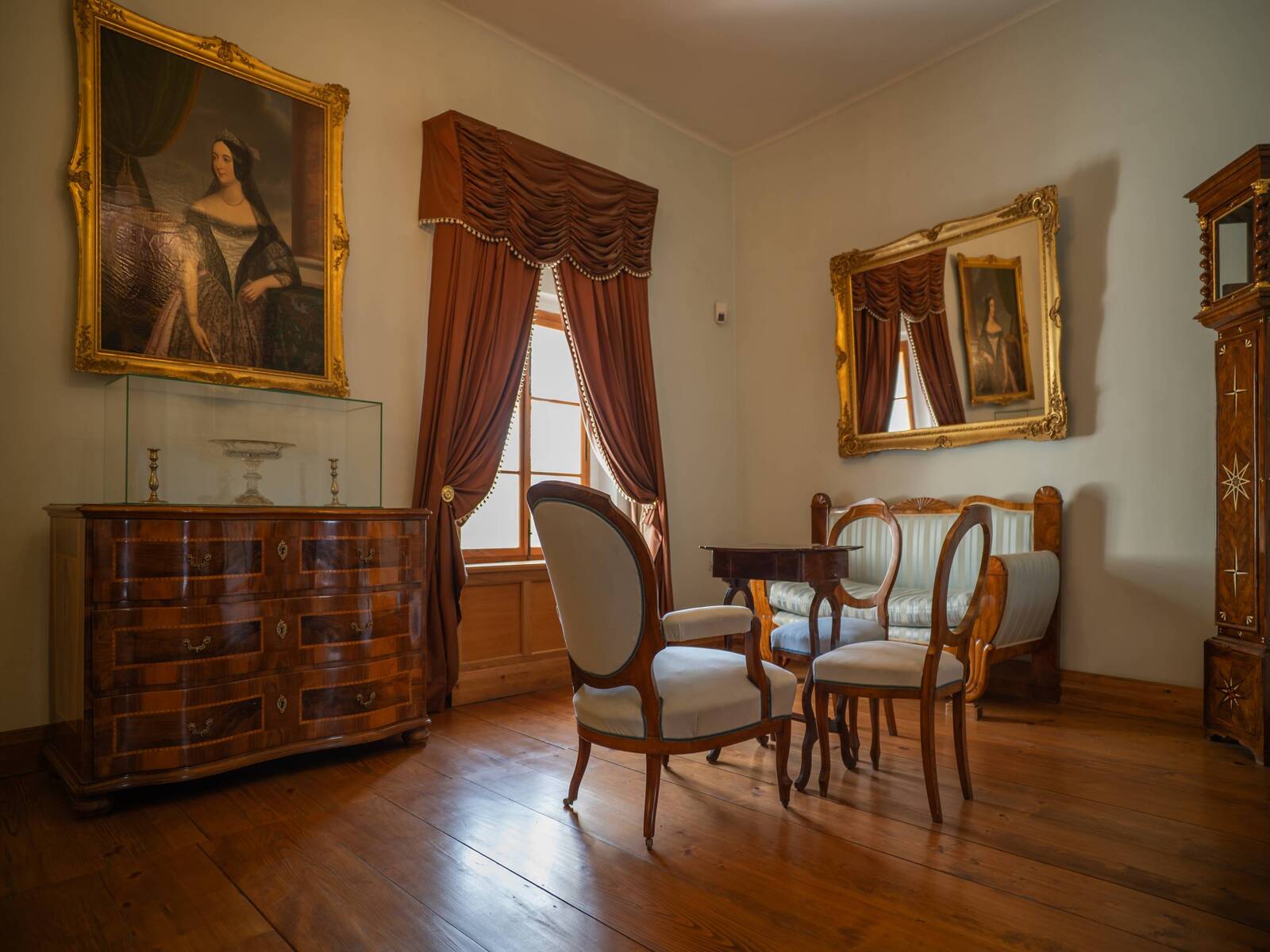
For travellers, this makes Trakošćan more than a beautiful castle visit. It becomes part of a richer Croatian cultural itinerary, one that moves beyond the expected image of the country as only coastline, islands, and summer light. Croatia’s inland heritage offers a quieter kind of luxury: castles, museums, historic towns, landscapes shaped by nobility and memory, and experiences that reward curiosity rather than speed.
This is where CROATIAN ATTRACTIONS, as an expert Croatia DMC, can shape the visit into something more meaningful. Trakošćan can be experienced as a single cultural stop, but it becomes far more powerful when woven into a thoughtful journey through northern Croatia, Zagreb, Varaždin, or even onward to Korčula, where the Adriatic chapter of the Marco Polo story still lingers.
The best travel design does not simply connect places on a map. It connects meanings. Here, the route from Korčula to Trakošćan is not literal, but narrative. It begins with an island legend and continues inside a castle where Croatia, China, and the Silk Road meet through objects, stories, and imagination.
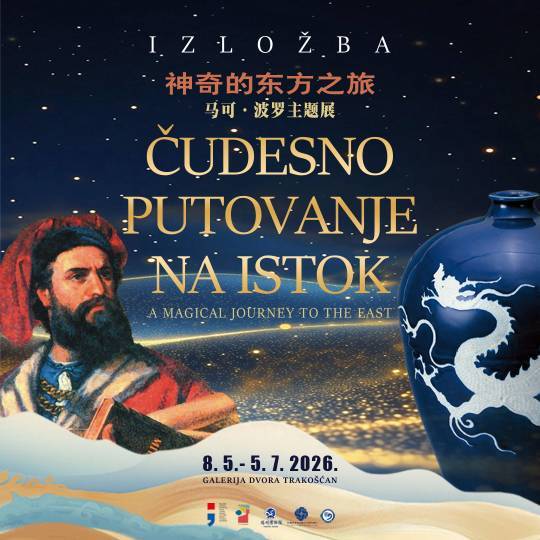
A Wondrous Journey to the East opens at Trakošćan Castle on May 8, 2026, at 7:00 pm, and remains on view until July 5, 2026. Visitors can explore the exhibition from Wednesday to Sunday, between 10:00 am and 6:00 pm, while Monday and Tuesday visits are available by prior appointment. Tickets can be purchased directly at the museum, with free admission for children under seven and additional options available through the museum’s official website.
In the end, the exhibition’s true beauty lies in its perspective. It reminds us that journeys are not measured only in distance, but in the ideas, images, and encounters they leave behind. Marco Polo’s story may belong to Venice, Korčula, China, and the wider world all at once. At Trakošćan Castle, that complexity becomes the invitation: to follow the routes that made civilizations curious about one another, and to discover Croatia not only as a destination, but as a place where world stories still find new life.