There are places in Croatia that dazzle at first sight — the shimmer of the Adriatic, sunlit stone streets, the echo of footsteps inside medieval walls.
And then there are places like Narona, which reveal themselves quietly, slowly, and stay with you long after you’ve left.
Hidden in the small village of Vid, near Metković, far from the crowds and cruise-ship routes, the Narona Archaeological Museum is not a place you rush through. It’s a place you enter gently, as if stepping into a memory — one that has been waiting two thousand years to be heard.

Walking Into Silence — And Finding an Empire Beneath It
At first, nothing prepares you for what lies inside. The village is peaceful, almost timeless. Birds sing. The Neretva Valley stretches lazily in the sun. Then a modern structure appears — understated, respectful, almost humble.
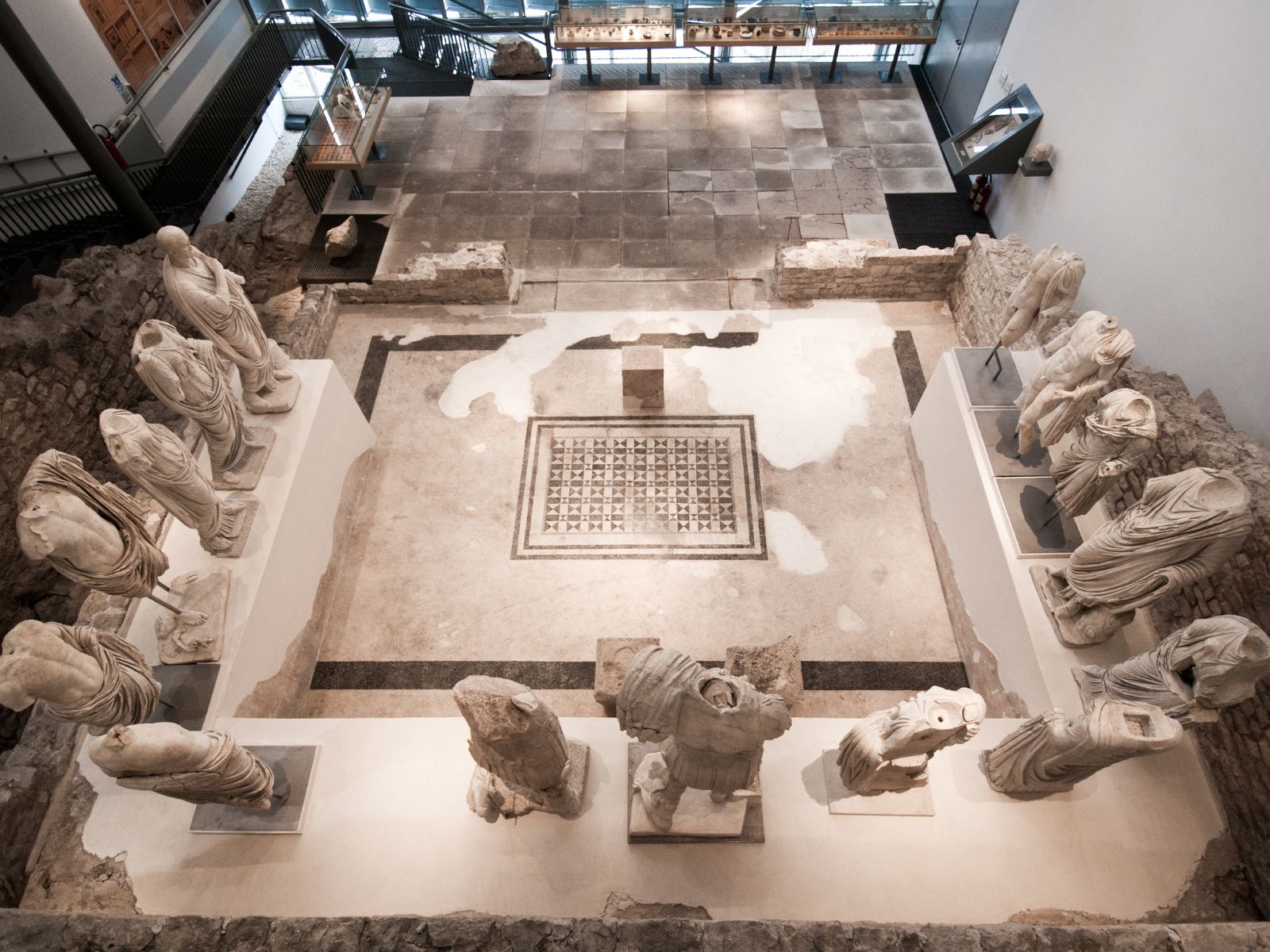
And beneath it: an ancient Roman temple.
Narona was once a powerful Roman city, a gateway between the Adriatic Sea and the vast Roman interior. Emperors were honoured here. Gods were worshipped. Marble statues towered over citizens who could never imagine that one day, silence would replace ceremony.
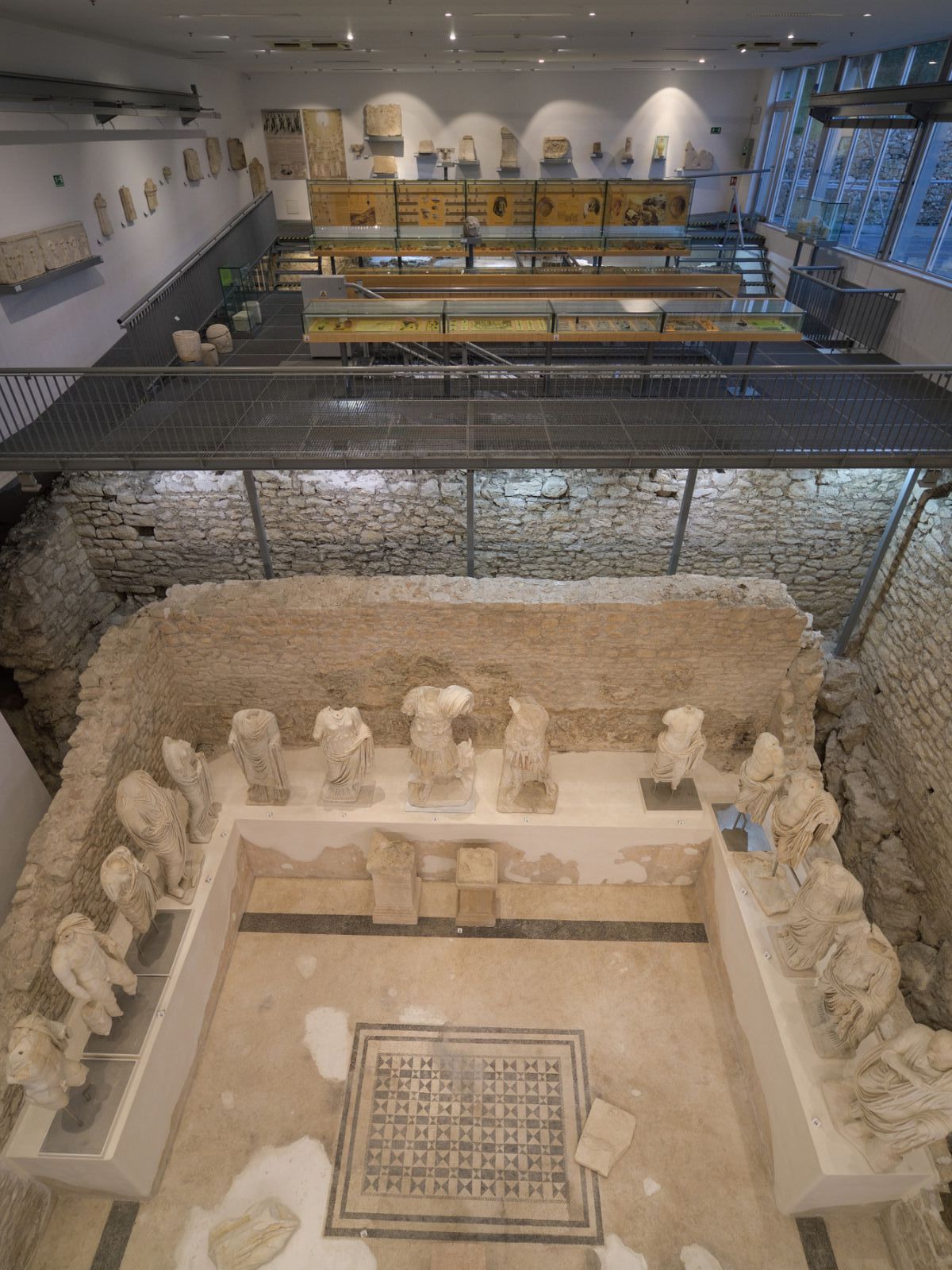
When archaeologists uncovered the Augusteum, a temple dedicated to Emperor Augustus, they also revealed something extraordinary — 17 monumental marble statues, still standing where Romans placed them nearly two millennia ago.
Instead of removing them, Croatia made a rare, almost poetic decision:
the museum would rise around the ruins.
So today, when you enter Narona, you are not looking at history behind glass.
You are standing inside it.
A Museum You Don’t Just See — You Feel
As you walk across transparent floors, the ancient temple reveals itself below your feet. Stone foundations, worn by time, still carry the weight of an empire that once ruled the known world.
Above them, marble faces gaze back at you — emperors, gods, and noble figures carved with astonishing realism. Their expressions are calm, distant, eternal. You realize these statues were never meant to be admired in a museum. They were meant to be worshipped.
Around you, everyday Roman life unfolds through artefacts: coins once warm in a merchant’s hand, glass vessels that held oil and wine, inscriptions carved by people who believed their world would last forever.
There is a stillness here. Not emptiness — presence.
Step outside onto the terraces, and the past gently releases you back into nature. Ancient columns rest among grass and stone, framed by the soft green of the Neretva Valley. It’s a reminder that civilizations rise, fall, and eventually return to the earth — quietly.

When History Breathes Again
In summer, Narona awakens in a different way. Music fills the air. Cultural evenings and concerts take place beneath the open sky, where Roman walls once echoed with rituals and voices.
Few experiences in Croatia feel as intimate — sitting under the stars, surrounded by ruins, aware that thousands before you once looked up at the same sky, believing it belonged to them.

Why Narona Changes the Way You See Croatia
Narona doesn’t compete with Dubrovnik’s drama or Split’s grandeur. It doesn’t need to.
Its power lies in humility and truth.
This is Croatia beyond postcards — Croatia as layers, as continuity, as memory. It’s a place for travellers who value meaning over spectacle, silence over noise, depth over display.
Perfect as a day trip from Dubrovnik, Split, or the Pelješac wine region, Narona fits effortlessly into a thoughtful Croatia road trip — especially for those who want to understand, not just observe.
So when you plan your journey through Croatia, leave room for a place that whispers instead of shouts.
A place where history doesn’t sit on walls —
it waits beneath your feet.
Narona is not just a museum.
It is a conversation with time.