There are places where history announces itself loudly, in stone walls and grand façades. And then there are places like Croatia, where history whispers — through gestures, traditions, and objects small enough to fit in the palm of your hand. One of those objects is the licitar heart, glowing red behind shop windows in Zagreb and northern Croatia, quietly telling a story that began centuries ago.
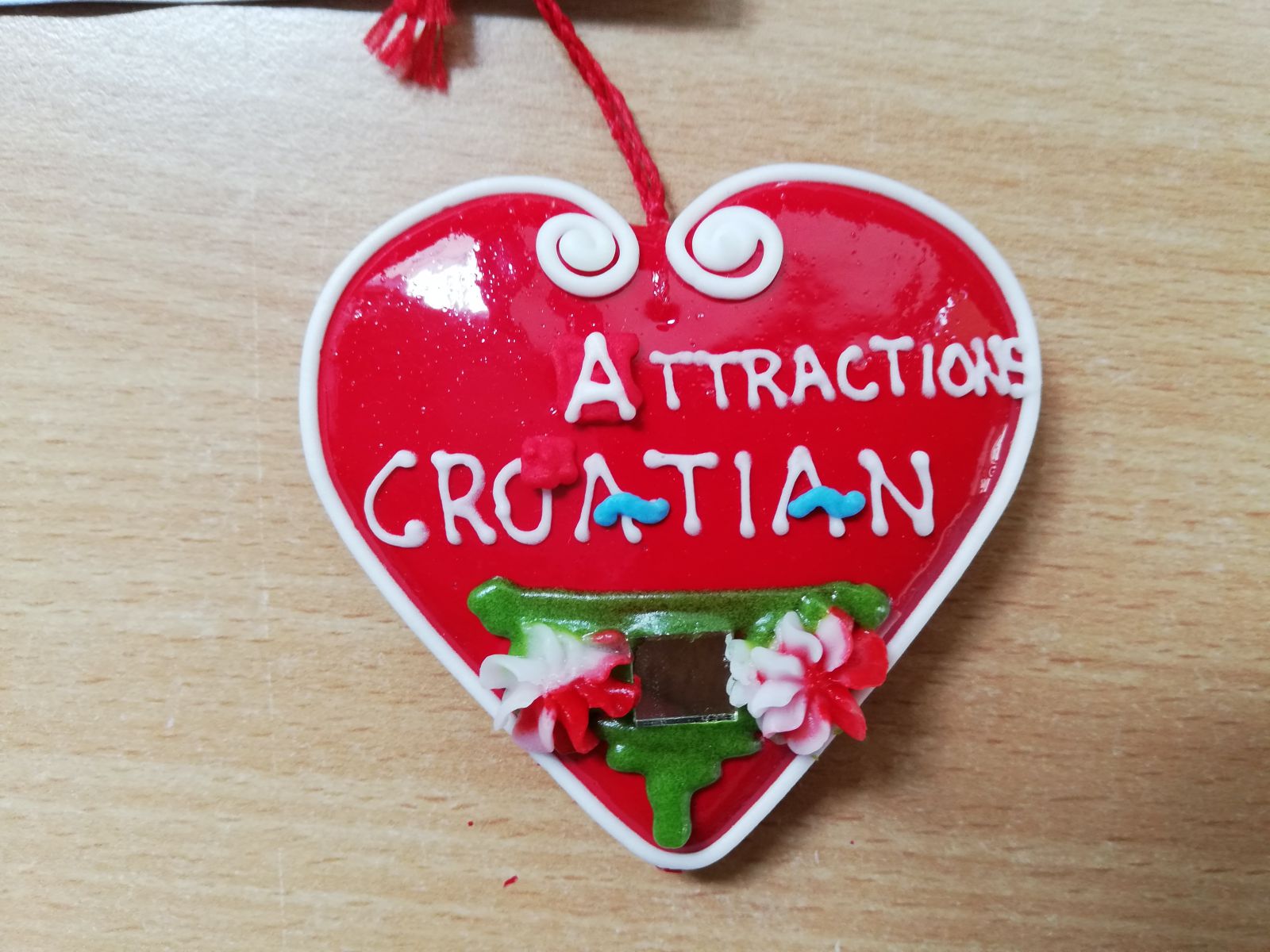
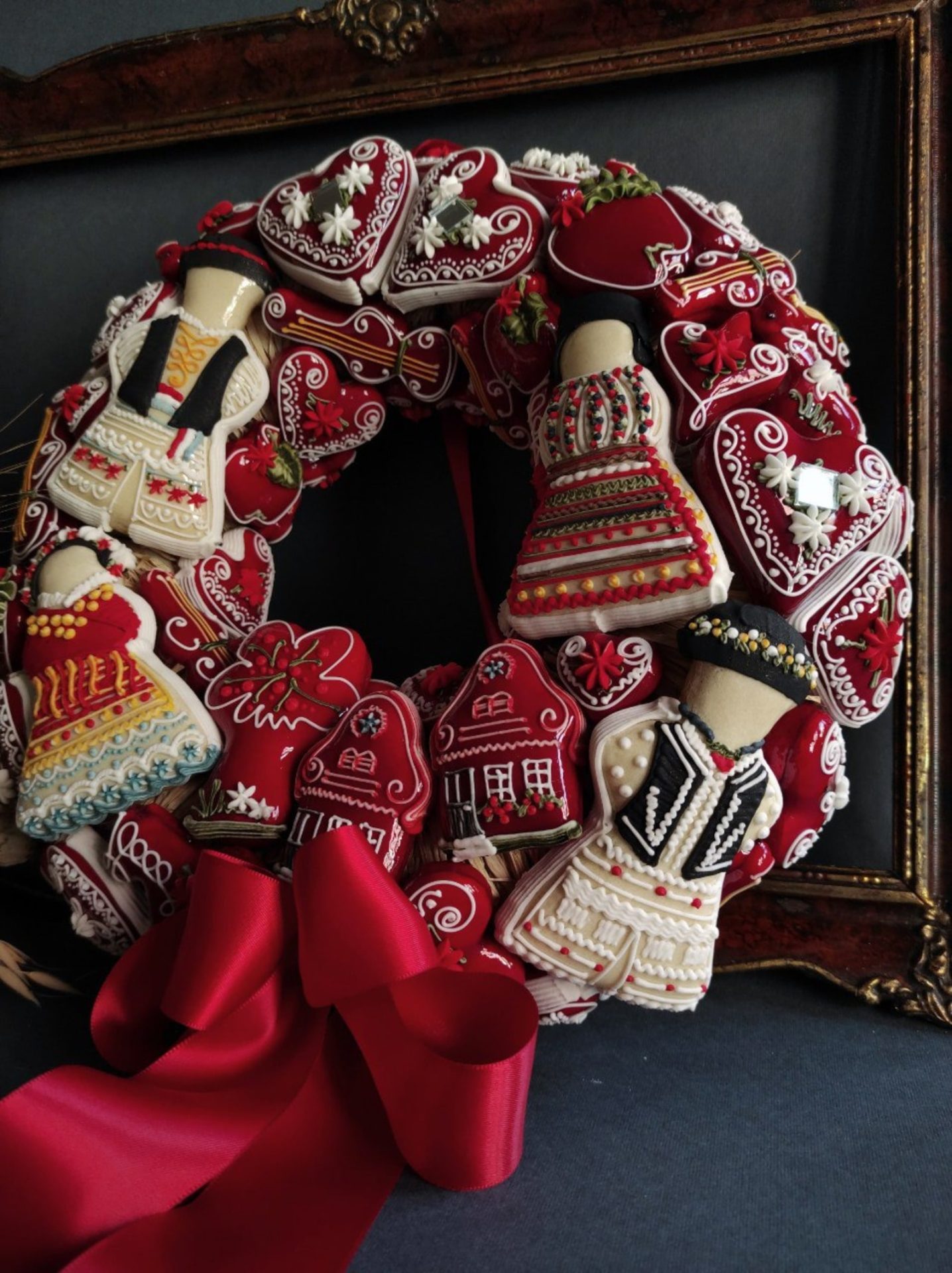
At first glance, licitar hearts appear festive and ornamental, their glossy surfaces adorned with white lace-like patterns and tiny mirrors. Yet these are not sweets meant to be eaten, nor decorations created for passing trends. They are symbols shaped by time, emotion, and craftsmanship — and they offer travelers an intimate way to understand Croatia beyond its famous coastline.
A Gift of Love, Not a Sweet
The origins of licitar hearts lead back to medieval northern Croatia, where honey was a treasured ingredient and gingerbread was transformed into art by skilled craftsmen known as licitari. Working patiently with honey dough, they shaped, baked, and decorated each piece by hand, using vivid red glaze and intricate white detailing.
These hearts were never intended for the table. Instead, they were exchanged as tokens of affection. At village fairs, church pilgrimages, and seasonal celebrations, young men would present licitar hearts to women they admired. At the center of many hearts sat a small mirror, carrying a message as poetic today as it was centuries ago: you see yourself in my heart. In an era before handwritten love letters were common, licitar hearts spoke quietly, yet powerfully, on behalf of the giver.
In Zagreb Tradition Lives on the Streets
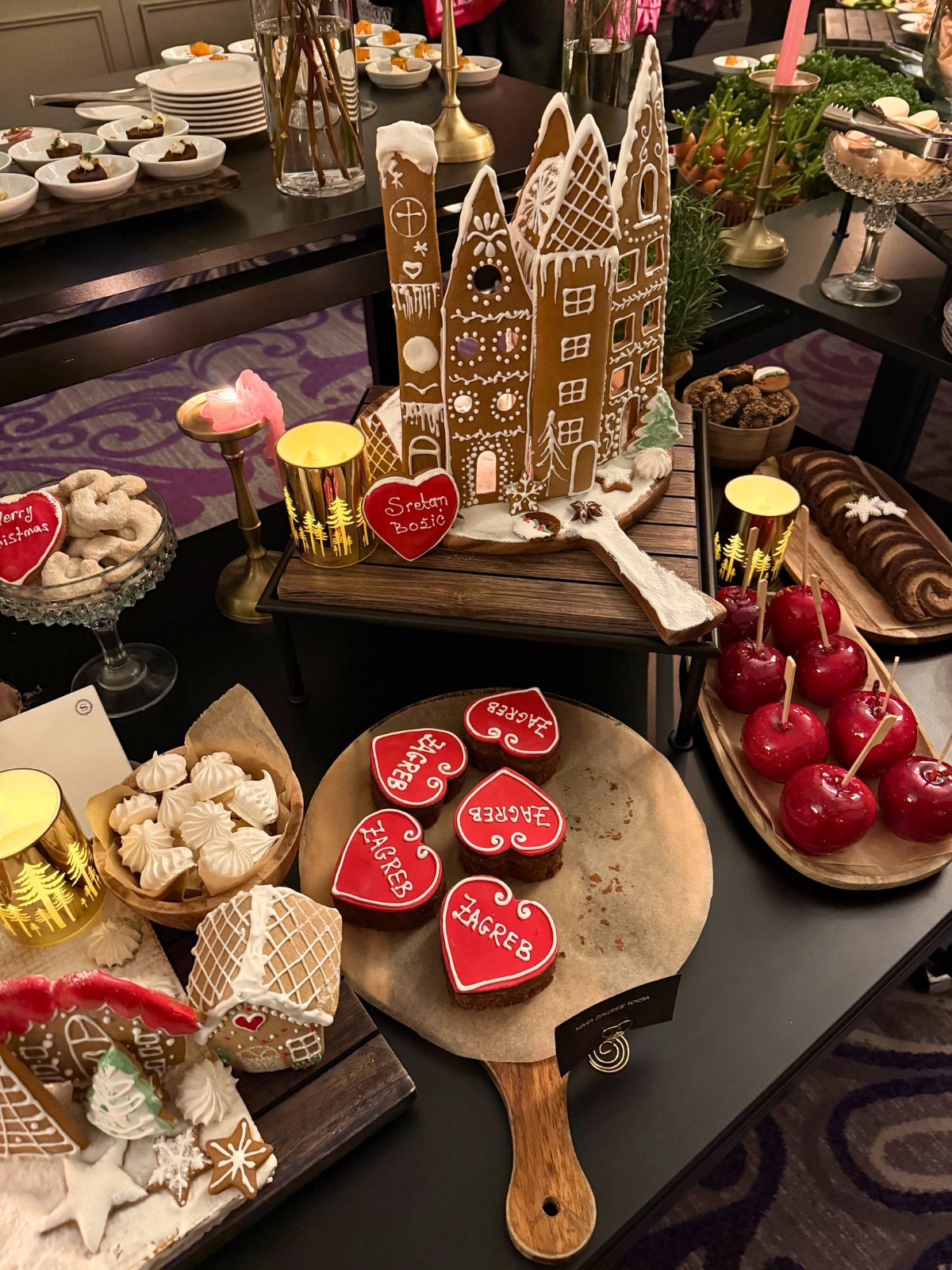
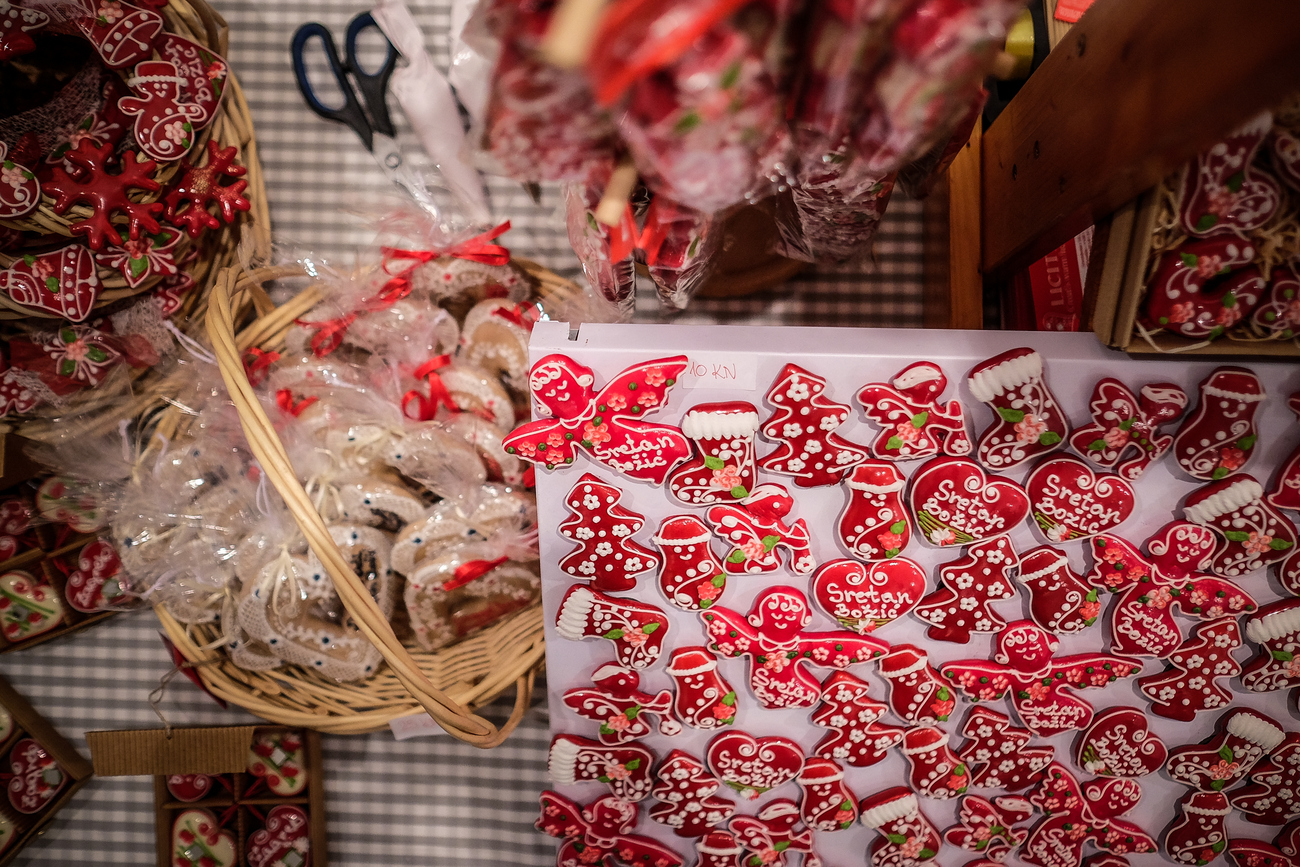
Nowhere does this tradition feel more alive than in Zagreb. The Croatian capital wears its heritage with ease, blending historic streets and everyday life in a way that feels natural rather than staged. As you walk through Ban Jelačić Square or wander the cobbled paths of the Upper Town, licitar hearts appear almost effortlessly — hanging in artisan workshops, bakery windows, and small family-run shops.
During Advent, when Zagreb becomes one of Europe’s most atmospheric winter destinations, licitar hearts glow among lights and wooden stalls. Yet they are never confined to one season. In Zagreb, tradition is not reserved for special occasions; it is part of the city’s daily rhythm. For visitors, encountering licitar hearts often feels like a personal discovery, a quiet moment of connection that lingers long after the walk continues.
From Folk Craft to UNESCO Heritage
Over the centuries, licitar making evolved from a simple honey-based craft into a refined art form. Patterns became more elaborate, symbolism more layered, and the craft more deeply woven into local identity. Despite this evolution, the essence remained unchanged: licitar hearts continued to express emotion, belonging, and human connection.
In 2010, this living tradition was inscribed on UNESCO’s Representative List of the Intangible Cultural Heritage of Humanity. The recognition confirmed what locals had always understood — that Croatia’s cultural wealth is not only found in its monuments, but in everyday customs carefully preserved through generations.

Discovering Licitar Hearts as a Traveler
Many visitors encounter licitar hearts by chance. Perhaps during a slow stroll through Zagreb’s historic quarters, or while stepping into a small workshop where artisans still decorate each heart by hand. Others discover their story through guided walks and cultural tours, where local guides reveal how traditional crafts continue to shape modern Croatian life.
These moments offer something increasingly rare in travel: authenticity without performance. Licitar hearts are not recreated for visitors; they simply continue to exist, as they always have, waiting to be noticed.

Beyond the Coastline
Croatia is celebrated worldwide for its islands, crystal-clear sea, and summer rhythm. Yet some of its most meaningful experiences unfold inland, through traditions that reveal the country’s quieter beauty. Licitar hearts embody this deeper Croatia — a place shaped by patience, craftsmanship, and emotion rather than spectacle.
They remind travelers that Croatia is not only a destination to be photographed, but a country to be felt. Each heart carries a story of human connection, passed from generation to generation, still alive in the present day.
Traveling with Heart
As you plan a journey to Croatia in 2026 and beyond, allow space for these subtle discoveries alongside iconic sights. Walk Zagreb slowly, look beyond the obvious, and let traditions like licitar hearts reveal the country’s softer layers. Whether visiting for the first time or returning once more, these bright red hearts invite you to pause, reflect, and fall in love with Croatia in a way that feels personal and lasting.
Explore Croatia with locals. Discover Croatia beyond the usual.
Your guide to meaningful travel — Croatia2Go.