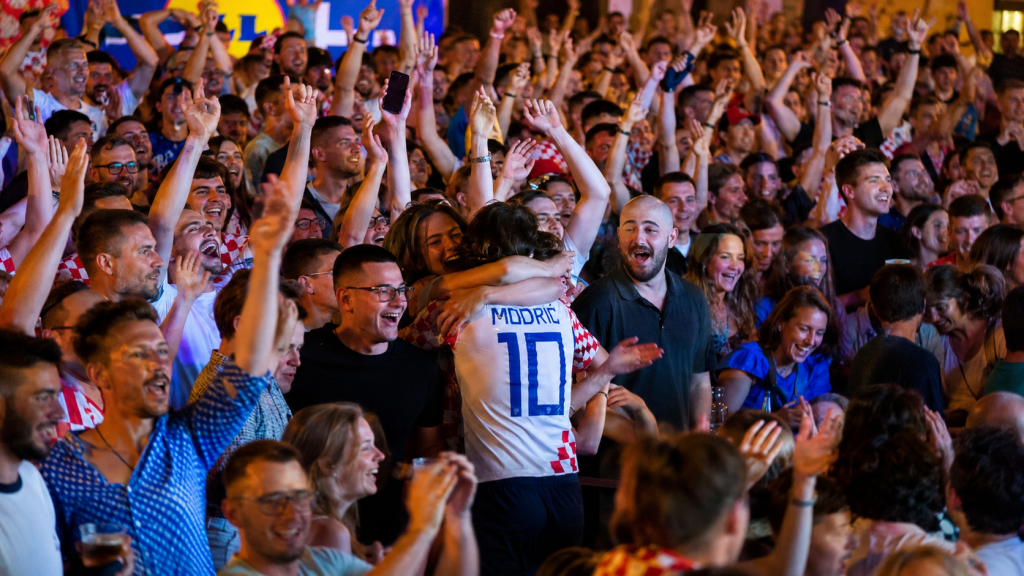
The smell of coffee fills the entire room, mingling with the scent of cigarettes that seems to incense this café-bar, far too quiet for a Saturday night. Perhaps because it is match day. I could hardly begin to explain to you just how sacred football is in Croatia. As my steaming coffee slowly cools in front of me, I realise that Zagreb may not be a city you truly discover on a first walk. And yet, I thought I knew it so well. Then I realised that I had only ever scratched the surface…
Zagreb, a city built between two worlds
When you first set foot in Zagreb, you quickly realise that every street corner has a story to tell. A façade, a little door, a statue you could so easily have overlooked… Everything seems to have a story of its own. And without Matija, my Croatian guide, who works with the Zagreb Tourist Board, I would probably have missed so much.
Because in Zagreb, sometimes simply looking isn’t enough. You need to know where to look.
Matija took me through the streets of the Upper Town, where Zagreb suddenly seems to change its face. And it is here that you begin to understand how the city came to be. Long before the cafés, festivals and lively terraces, Zagreb was divided into two medieval towns: Gradec and Kaptol.
Two neighbouring hills, two communities, two stories that lived side by side for centuries without ever truly becoming one. On one side, Gradec, the town of citizens and craftsmen. On the other, Kaptol, the religious heart of the city, dominated by the clergy and its cathedral.
Today, it takes only a few minutes to walk from one to the other. And yet, as you wander through their narrow streets, you can still sense traces of that history. Zagreb was built little by little, over the centuries, and its character was also shaped by the influence of the Habsburg monarchy. But to understand this side of Zagreb, you first have to gain a little height.
Upper Town — Where Zagreb feels like another city
Here, the streets grow narrower, cobblestones gradually replace the broad avenues, and for a few moments, I almost feel as though I have left the city behind.
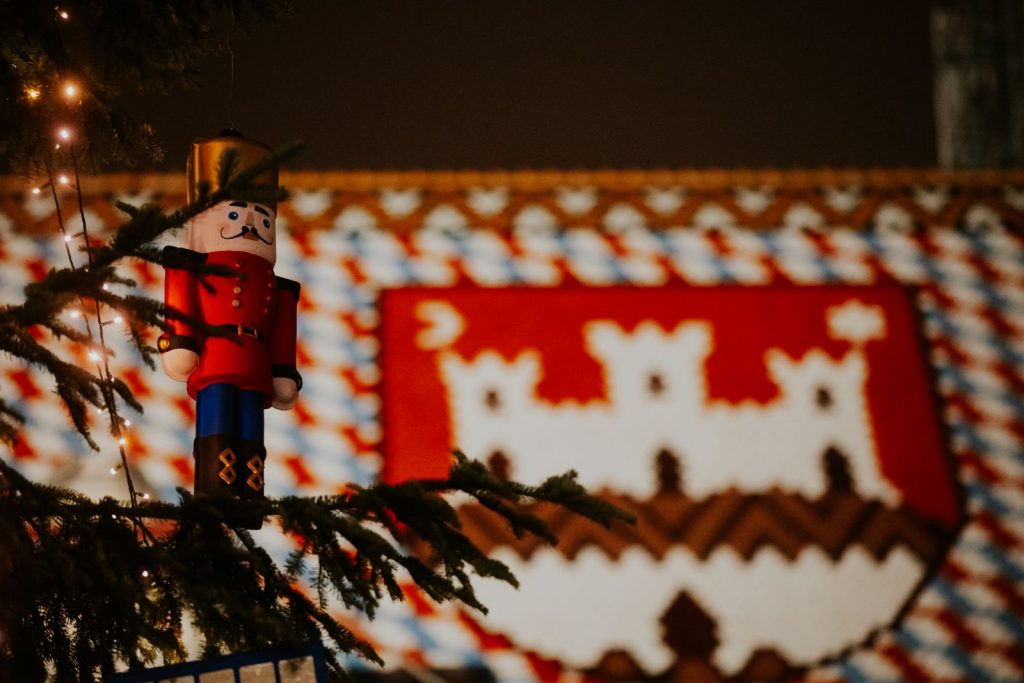
At St Mark’s Square, it is impossible not to look up at St Mark’s Church and its colourful tiled roof, which has become one of the symbols of the city. All around it, the little streets of Gradec invite you to slow down. Sometimes all it takes is looking a little further to discover a hidden courtyard, a staircase or a passage you would easily have missed if you were walking too quickly.
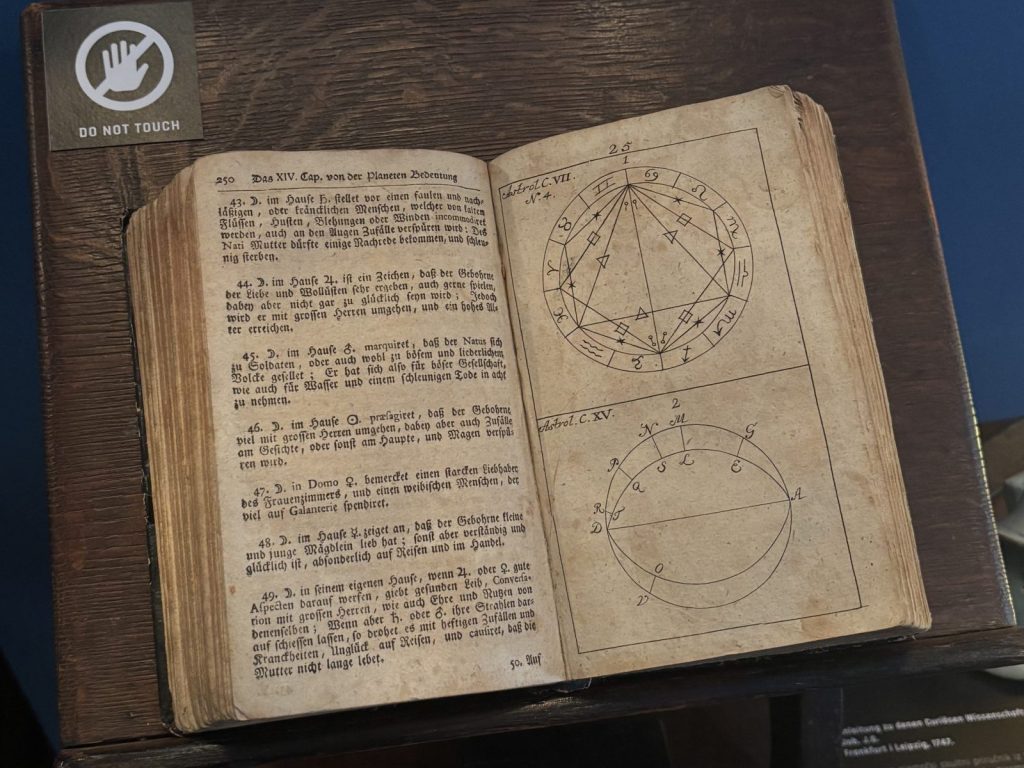
And Matija still has a few stories up his sleeve. Like the story of the witches of Zagreb, who were once accused of witchcraft and tried on this very hill. Stories of magic, potions and superstition that seem almost to belong to another world, and yet are very much part of the city’s history.
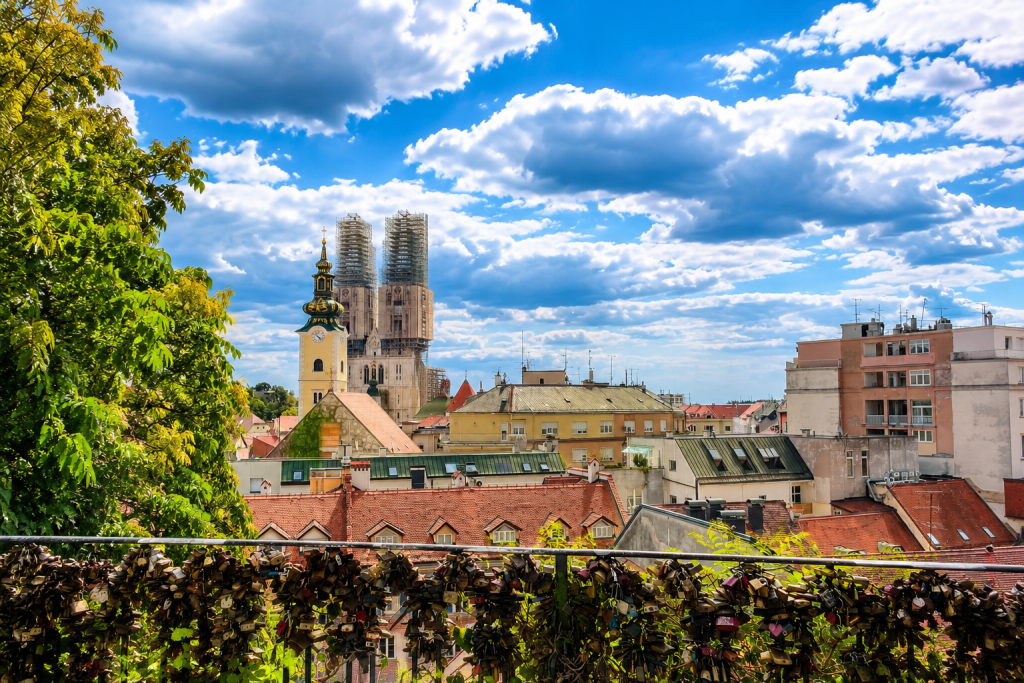
Then comes Lotrščak Tower, a remnant of Gradec’s old fortifications. From its heights, Zagreb stretches out before us. The rooftops of the Lower Town appear in the distance, transporting us to another era, almost outside of time. But my daydream is quickly interrupted by the famous Grič cannon. Every day, its shot echoes from the tower, a reminder that history is never far away. Centuries have passed, the city has changed, sometimes even having to rebuild itself after earthquakes… yet some stories remain deeply rooted in its streets.
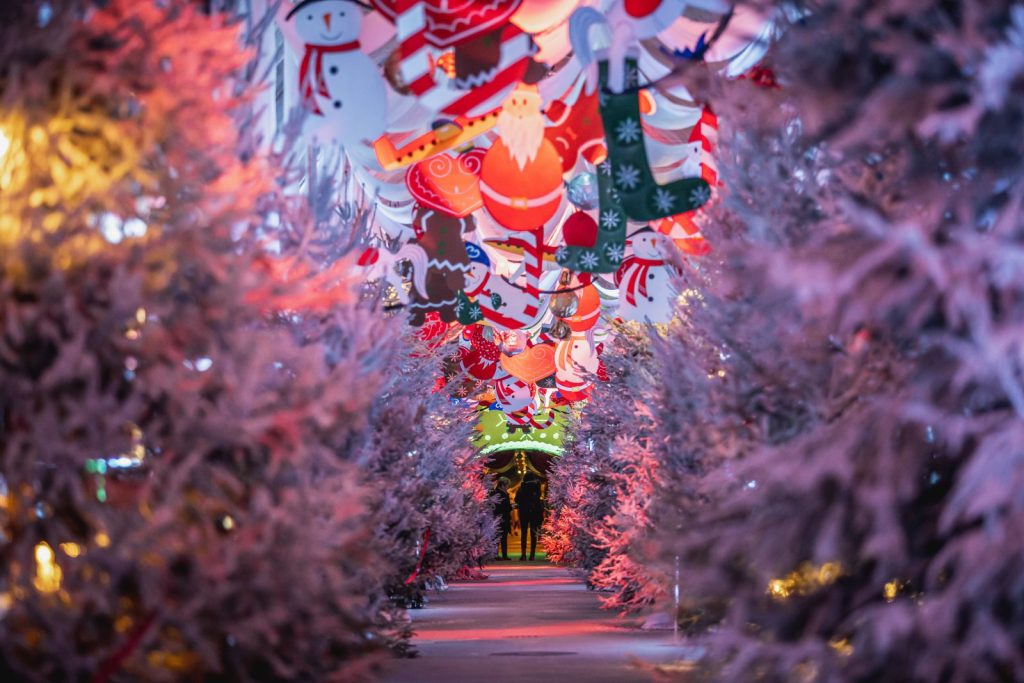
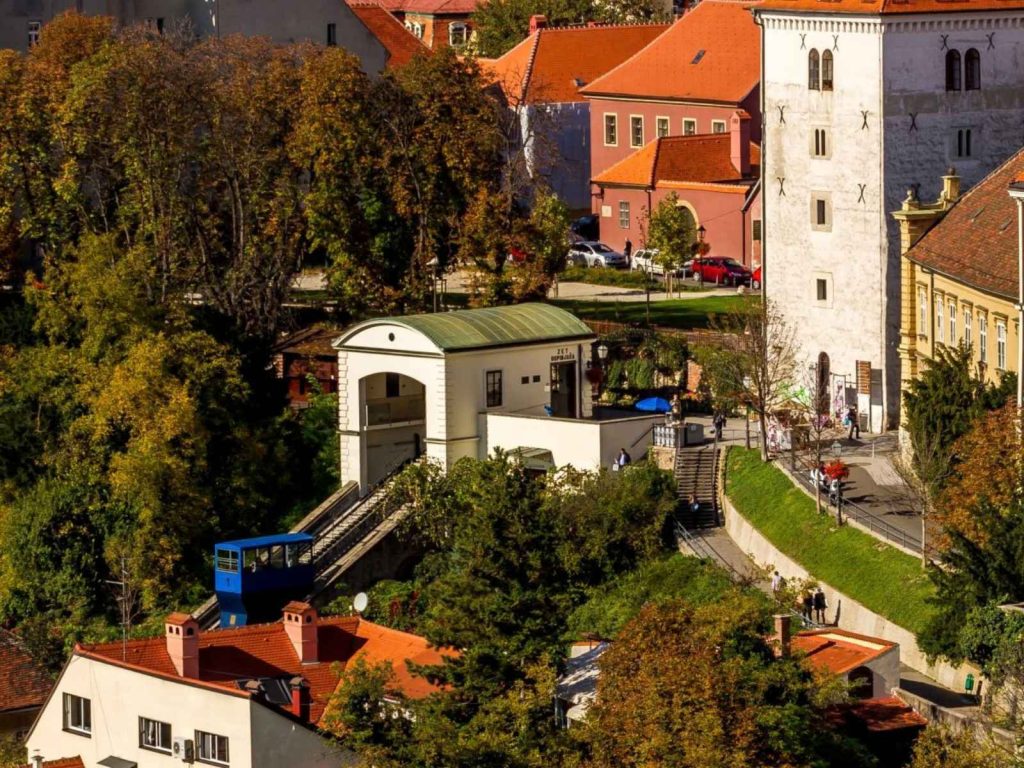
And just when you think you have seen it all, Zagreb still has a few surprises in store… like the Grič Tunnel, built during the Second World War, hidden beneath our feet. It is already time to head back down. But there is no way to leave the Upper Town without trying its iconic funicular, which has connected Gradec with the Lower Town since the late 19th century.
Down the hill — Another side of Zagreb
Now come the broad avenues crossed by trams, the shops, the souvenir stalls with kravate hanging from them, the symbol of Croatia, and the lively terraces where teranino is quietly enjoyed in the sunshine. The smell of ćevapi drifts out of restaurants, while bakery windows tempt passers-by with kremšnite and other Croatian sweet treats.

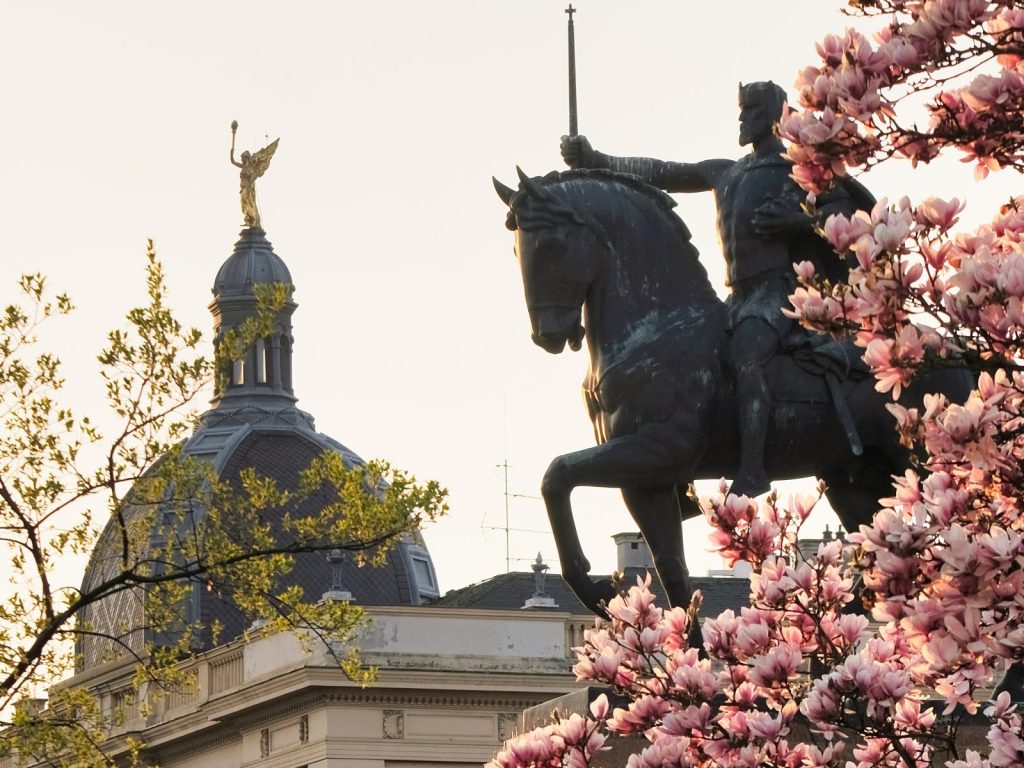
On Ban Jelačić Square, people pass one another without ever really stopping. Further on, the elegant façades surrounding the city’s grand squares are a reminder of the Austro-Hungarian influence that shaped this part of Zagreb.
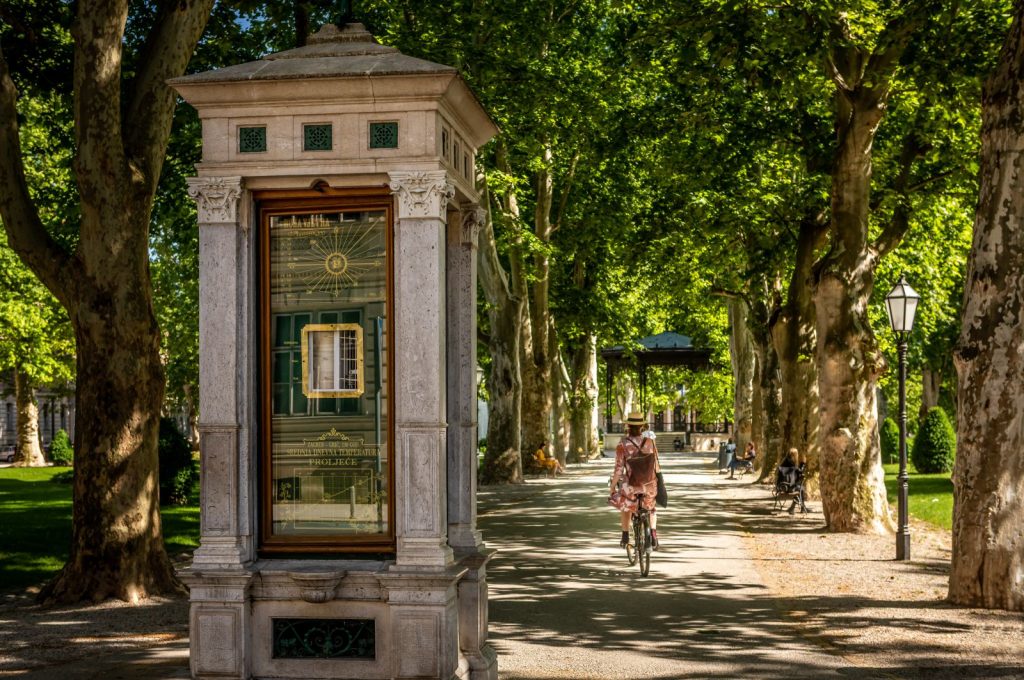
And yet, in the middle of all this bustle, Zagreb offers a completely different kind of pause. The parks of Lenuci’s Green Horseshoe follow one another like a long green promenade through the heart of the city. Zrinjevac, Strossmayer, Tomislavac… You come across walkers, children, locals sitting on benches, or simply people passing through. The trees, fountains and pavilions give these squares an atmosphere that feels almost outside of time.
A city that keeps surprising you
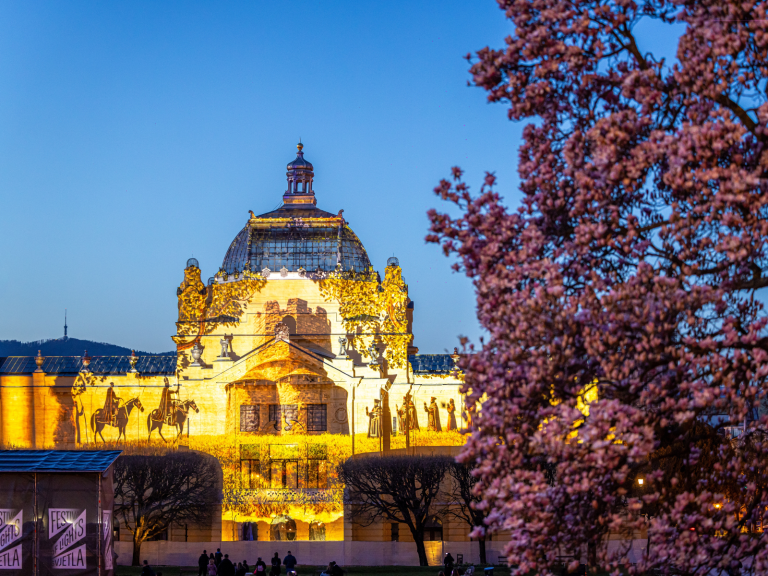
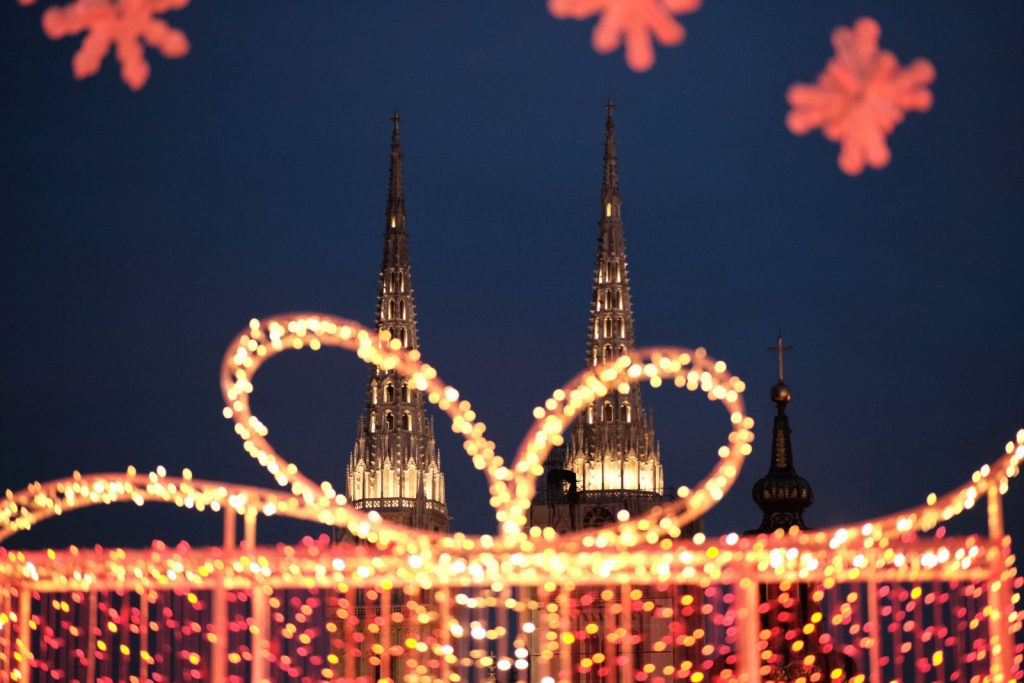
And then there is everything Zagreb keeps creating to surprise us. Its many museums tell the story of the city and of Croatia, but also more unexpected, sometimes even unusual stories, like the Museum of Broken Relationships. And when the warmer days arrive, the streets and squares come alive with festivals, concerts and cultural events. From Advent to the Festival of Lights, from the Food Film Festival to Burgerfest, Zagreb seems to find a new reason to bring its streets to life with every season.
Perhaps this is ultimately what I will remember most about Zagreb: a city that never allows itself to be fully discovered.

Some cities make us want to stay.
Others make us want to come back.
And then there are those that make us realise, only when it is time to leave, that we still had so much left to discover.
I’ll leave you now. My coffee has gone cold.
See you soon, Zagreb,
Fiona