Off the Dalmatian coast, a small island continues to keep alive a tradition deeply connected to the sea. In Zlarin, red coral is much more than a marine treasure: for generations, it has shaped the island’s history, craftsmanship and identity. But behind this centuries-old tradition lies an essential question today: how can this fragile heritage be preserved while continuing to pass it on and keep it alive?
An Island Out of Time
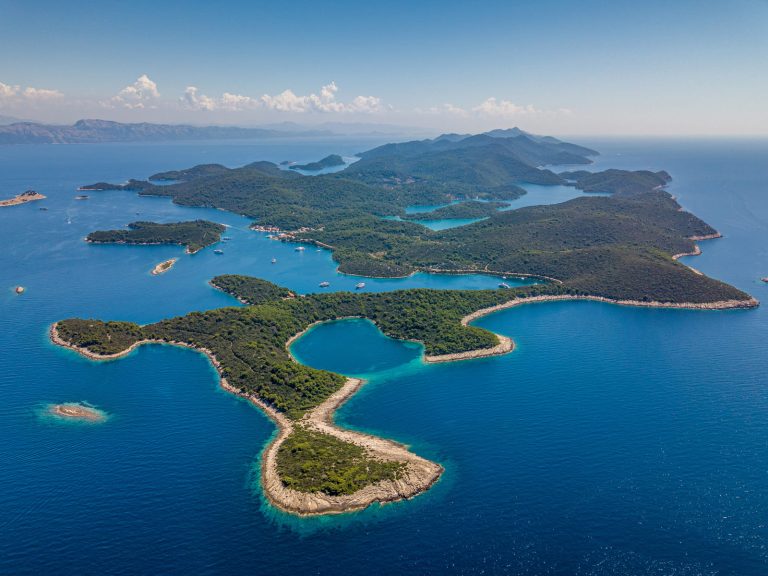
Bathed in sunshine and sheltered from the winds, Zlarin seems to live at the rhythm of the sea. Here, the call of seagulls and the hum of crickets are sometimes the only sounds to break the silence, while pine trees stretch as far as the eye can see. In the waters surrounding the island, hints of red occasionally appear beneath the surface, offering the first clue to the story that connects Zlarin to coral.
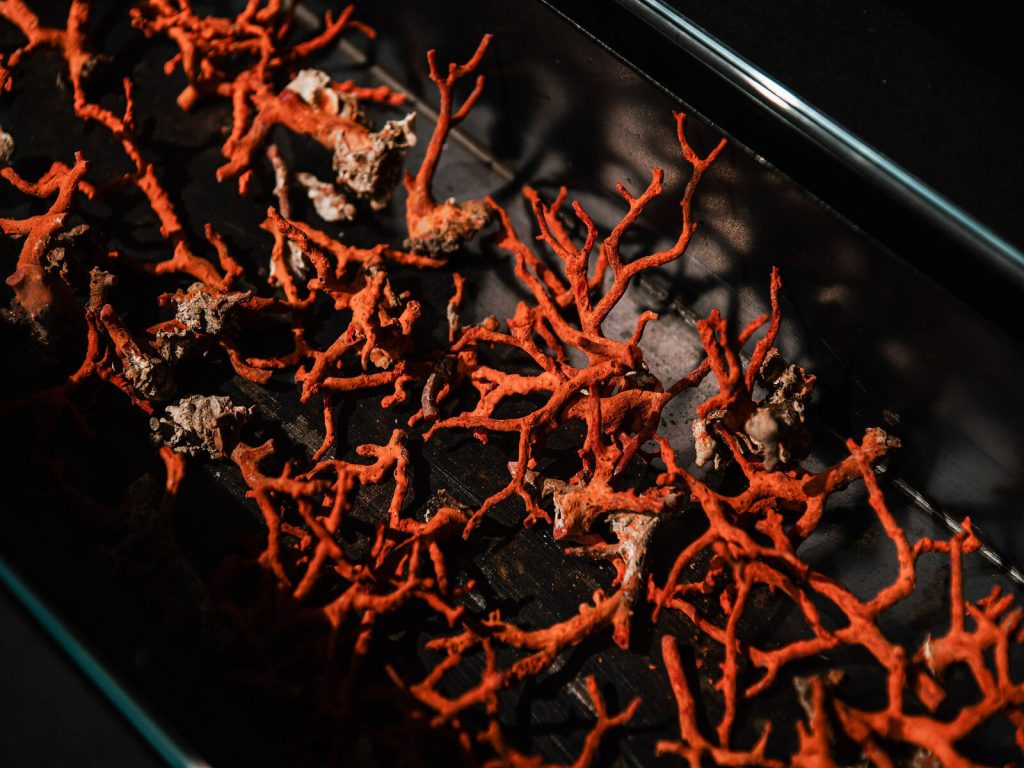
Here, forget the car: the island is best explored on foot or by bike, following small paths where calm and serenity prevail. This is Zlarin, the third-largest island in the Šibenik archipelago, often considered one of Dalmatia’s best preserved gems. But beyond its Mediterranean landscapes, Zlarin is above all known for a tradition that has deeply shaped its identity: red coral.
A Tradition Born in the Depths
For those familiar with the island, Zlarin is known as the “Island of Coral”, such is the importance this resource has held in the lives of its inhabitants over the centuries. Coral fishing and craftsmanship are deeply rooted in the island’s local history, with written records attesting to the importance of Zlarin’s coral fishermen as early as the 15th century.
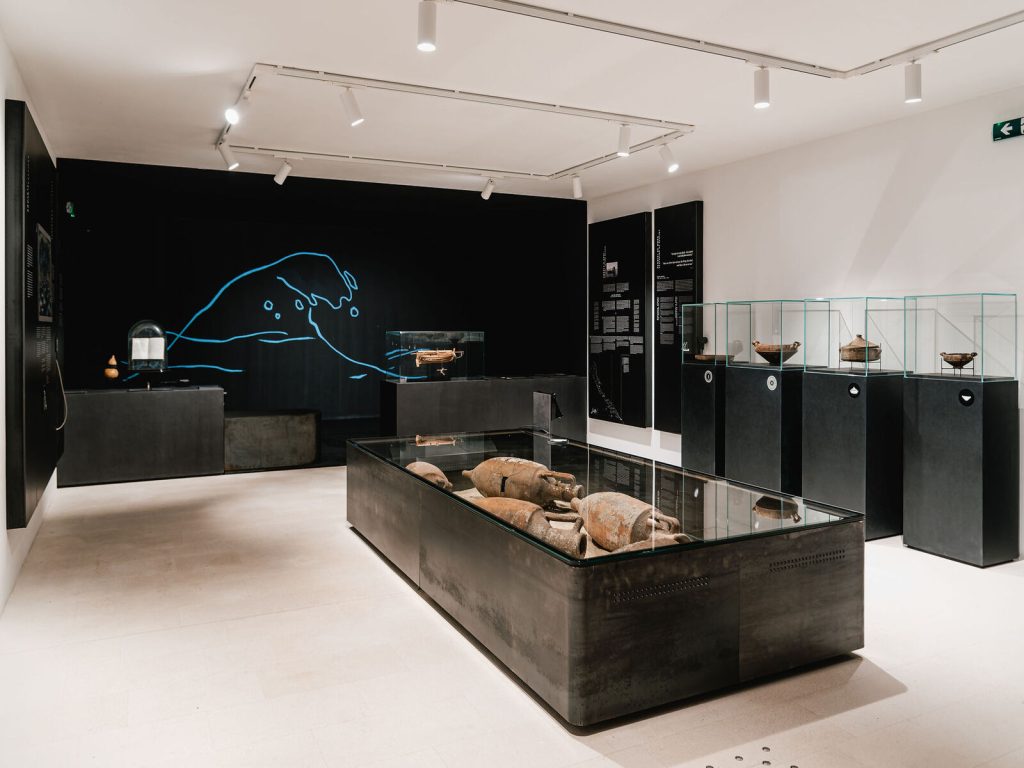
At the time, if you came across a father and his son, accompanied by an “inženj”, the emblematic tool shaped like a St. Andrew’s cross, there was a good chance they were coral fishermen. This wooden structure, weighted with a stone and fitted with nets, was lowered into the depths to catch coral colonies before being brought back up and lowered again to repeat the process.
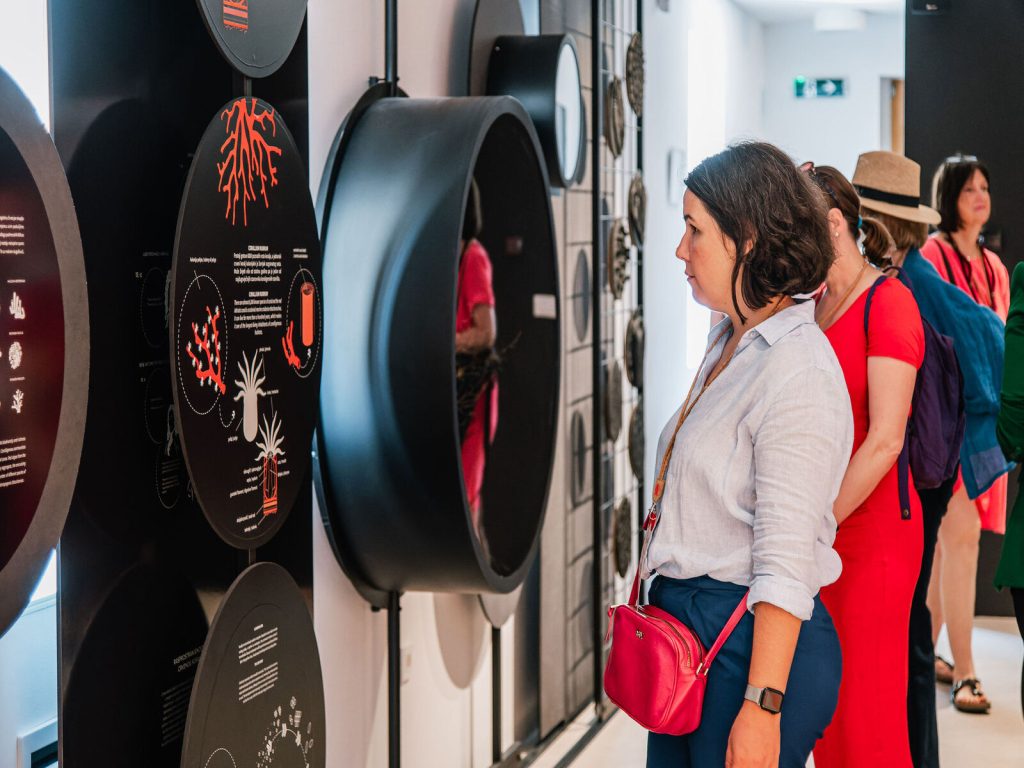
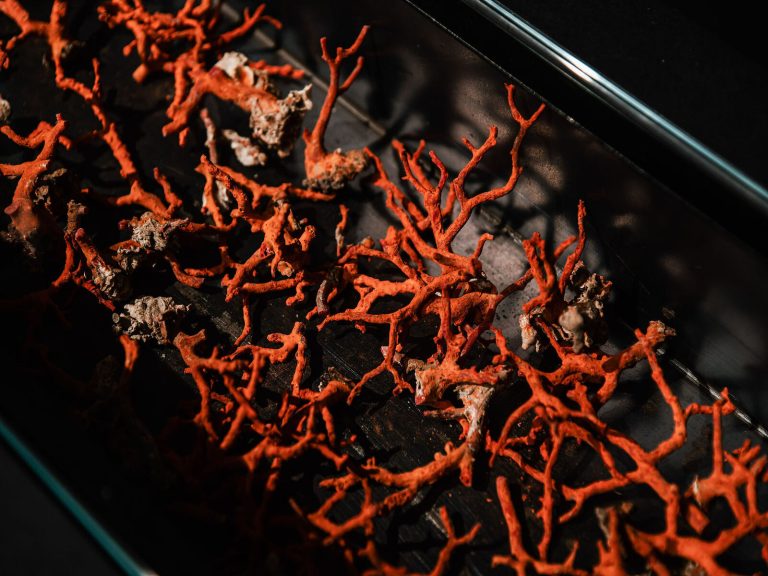
This technique, both demanding and dangerous, required great physical strength and an excellent knowledge of the sea. Red coral (Corallium rubrum) could be found several dozen metres below the surface, sometimes reaching depths of around 200 metres depending on the areas being exploited.
From the Seabed to Jewelry
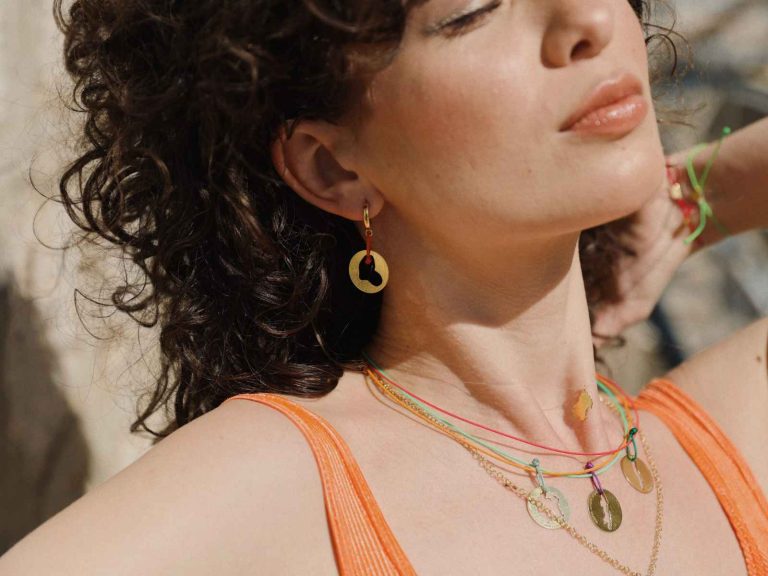
Once brought back from the depths, the coral began a new life. In the hands of artisans, its red branches were carefully cut, polished and transformed into jewellery and decorative objects. Over time, this craftsmanship helped establish Zlarin as a recognised centre for coral craftsmanship in the Adriatic. Even today, some island artisans continue to preserve these gestures and techniques.
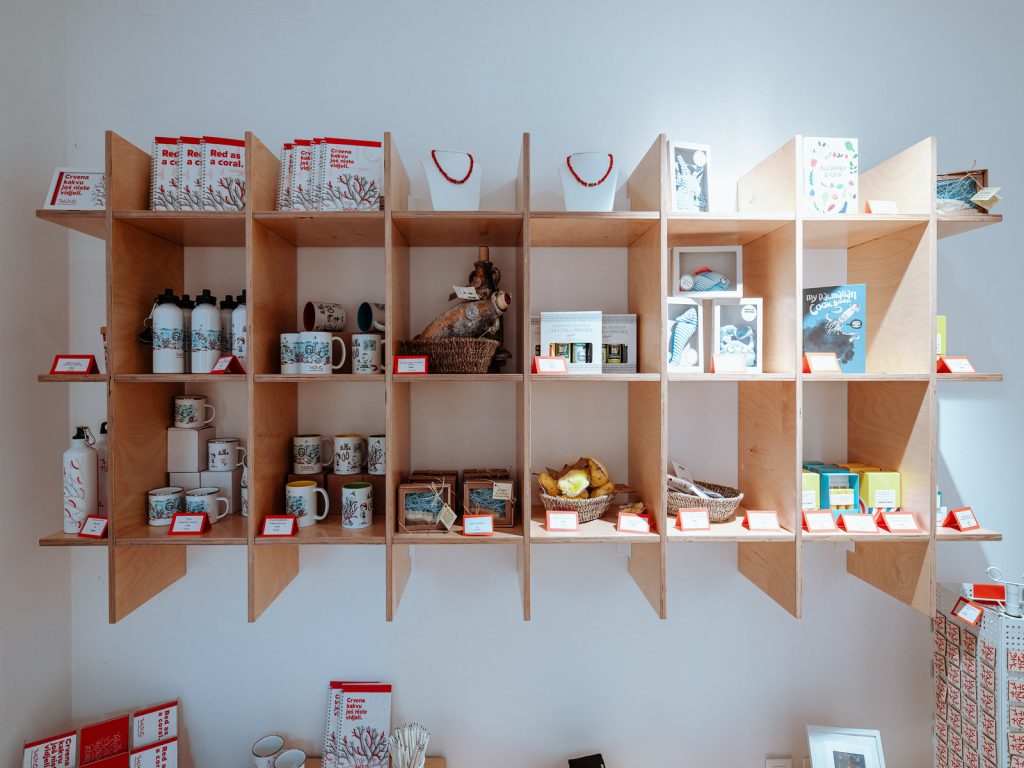
But behind the beauty of a piece of red coral jewellery lies an entire world of symbolism. In Zlarin, as in other parts of the Mediterranean, coral has traditionally been associated with love, fidelity and protection, particularly for pregnant women and against illness. And when we look into its legendary origins, coral becomes almost mysterious.
According to an ancient Greek myth, it was born from the blood of Medusa after Perseus threw her head into the sea. When her blood came into contact with seaweed, it is said to have transformed into red coral. Even today, this legend helps give this small red branch from the depths an almost magical aura.
From Coral to Memory
For centuries, coral sustained generations of families in Zlarin. But over time, coral fishing lost some of its importance, and the relationship between the island and coral changed. Today, it is no longer simply about harvesting this precious resource, but about preserving a history, a know-how and a heritage intimately connected to the sea.
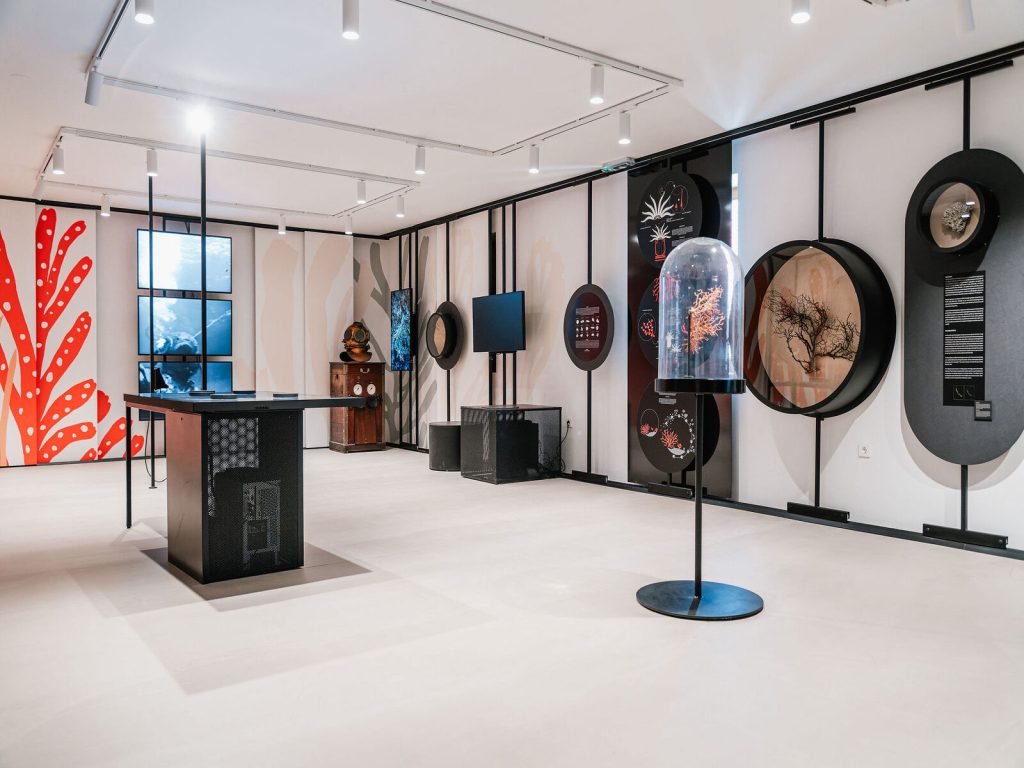
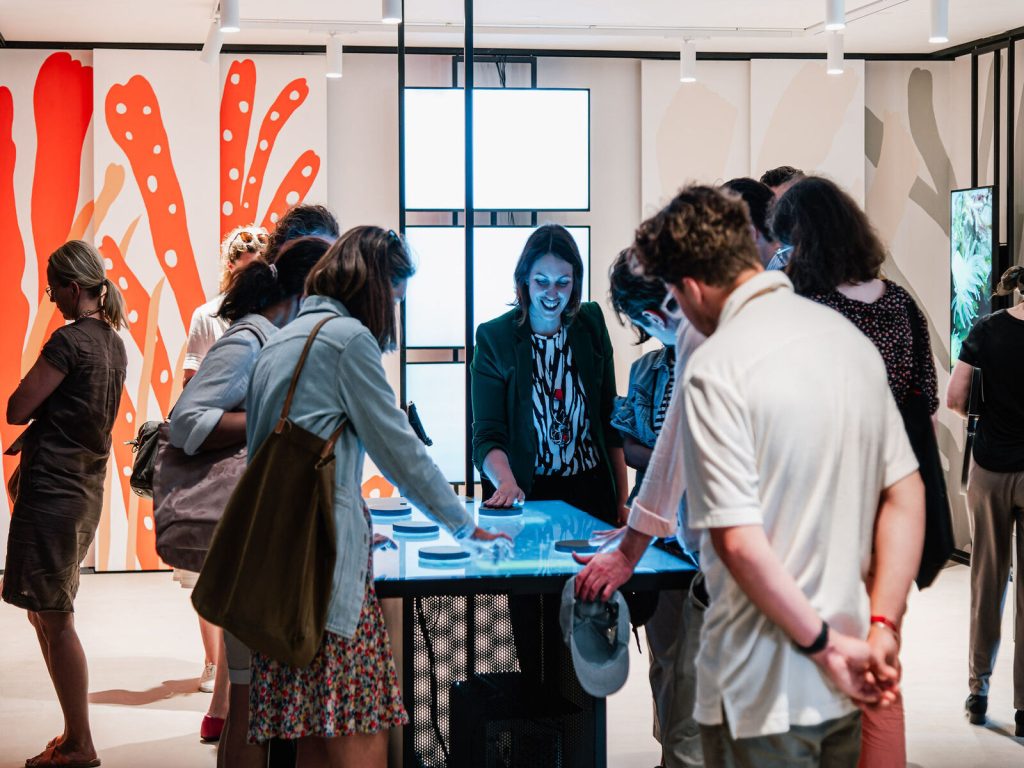
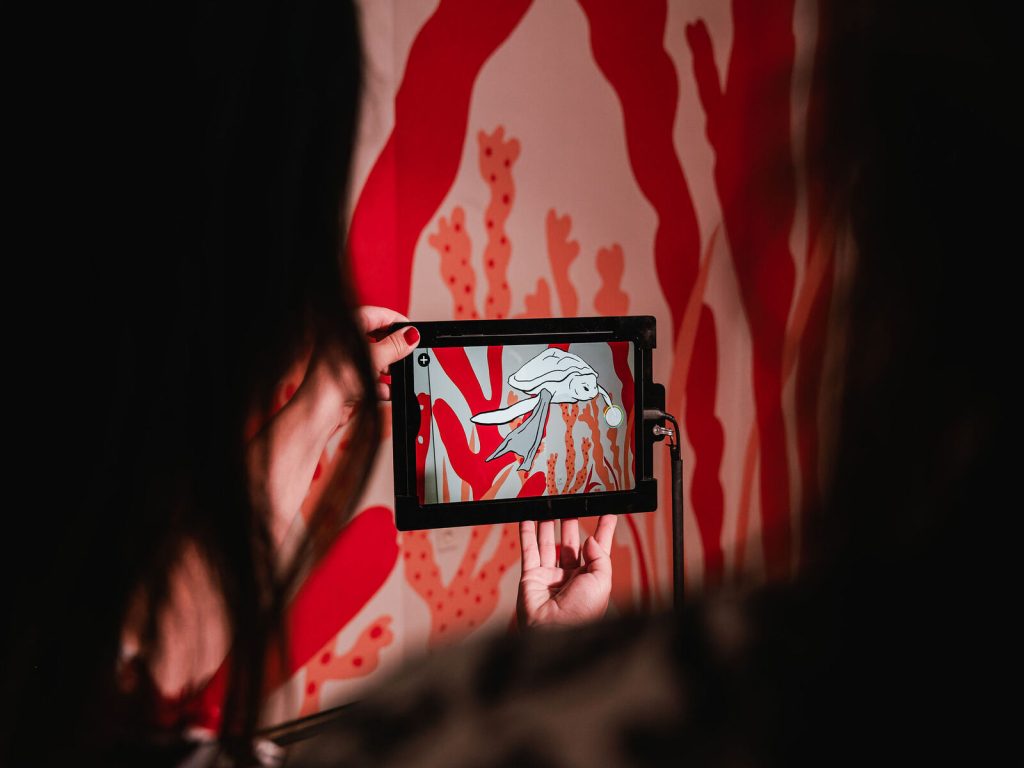
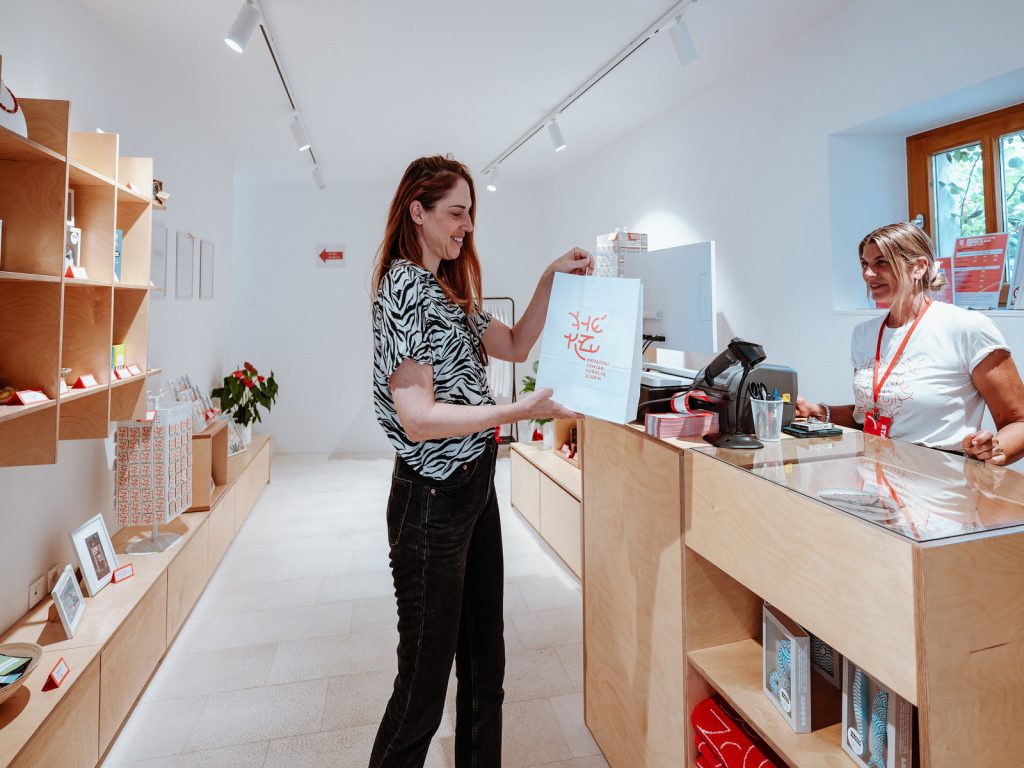
Since 2023, the Croatian Coral Center in Zlarin has been bringing this history back to life for visitors. Housed in historic buildings, the centre tells the story of the evolution of coral fishing, the techniques used by former fishermen and the place this tradition has held in the life of the island.
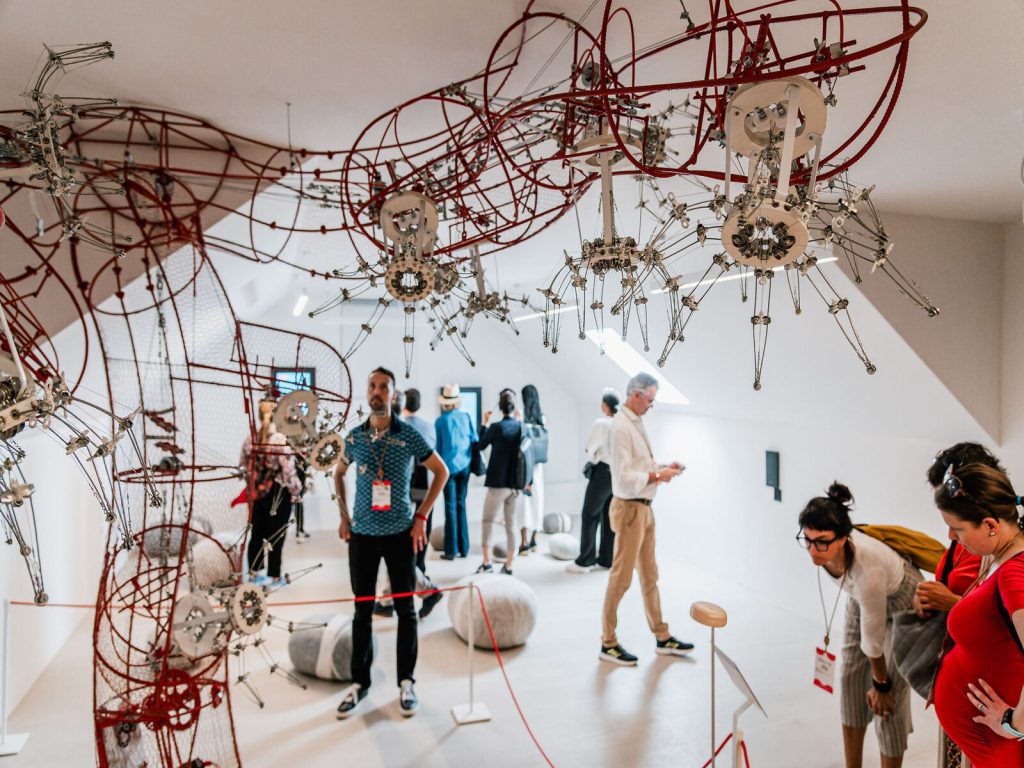
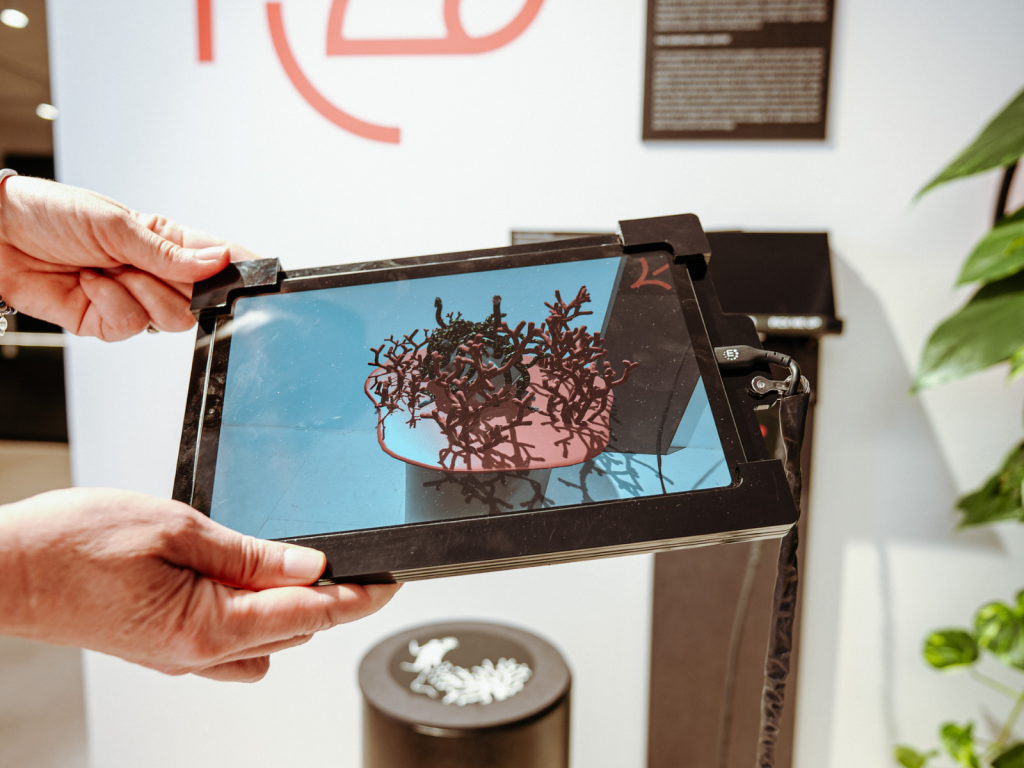
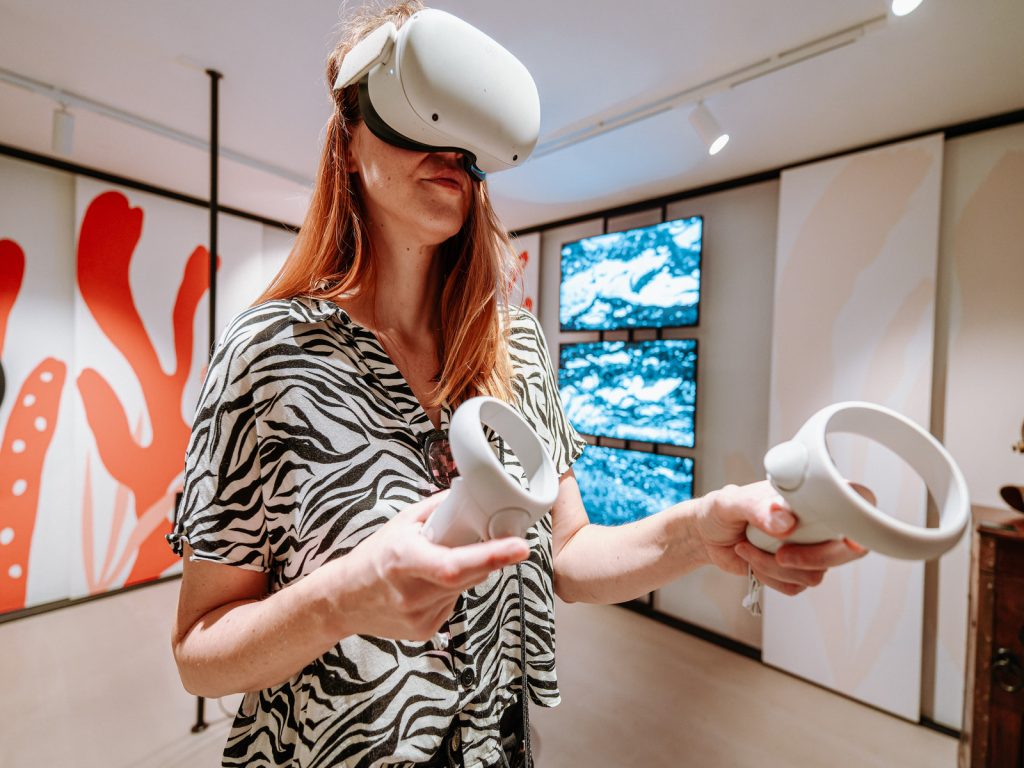
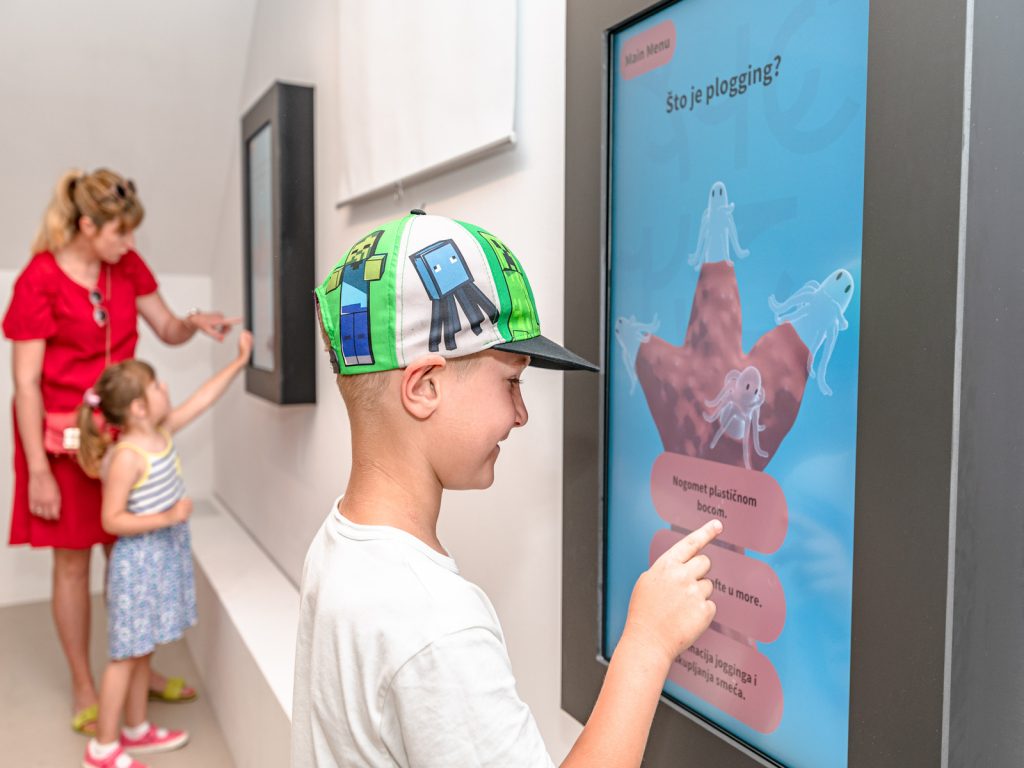
But the visit is far from that of a traditional museum. Immersive technologies, virtual and augmented reality, films, photographs and sound recordings take visitors into the heart of Zlarin’s history. The objects on display bear witness to the craftsmanship of its artisans. Through this modern approach, the Croatian Coral Centre does more than simply tell the story of the past. It also highlights the fragility of red coral and the importance of preserving marine biodiversity for future generations.
A Heritage Beyond Coral
In Zlarin, coral has become much more than a marine resource: it embodies the island’s identity and its deep connection to the sea. Jewellery, traditions and cultural events keep its memory alive, while the Croatian Coral Centre in Zlarin is now one of its guardians.
Because here, coral is no longer simply a treasure from the depths: it has become a living heritage, rooted in the island’s history.